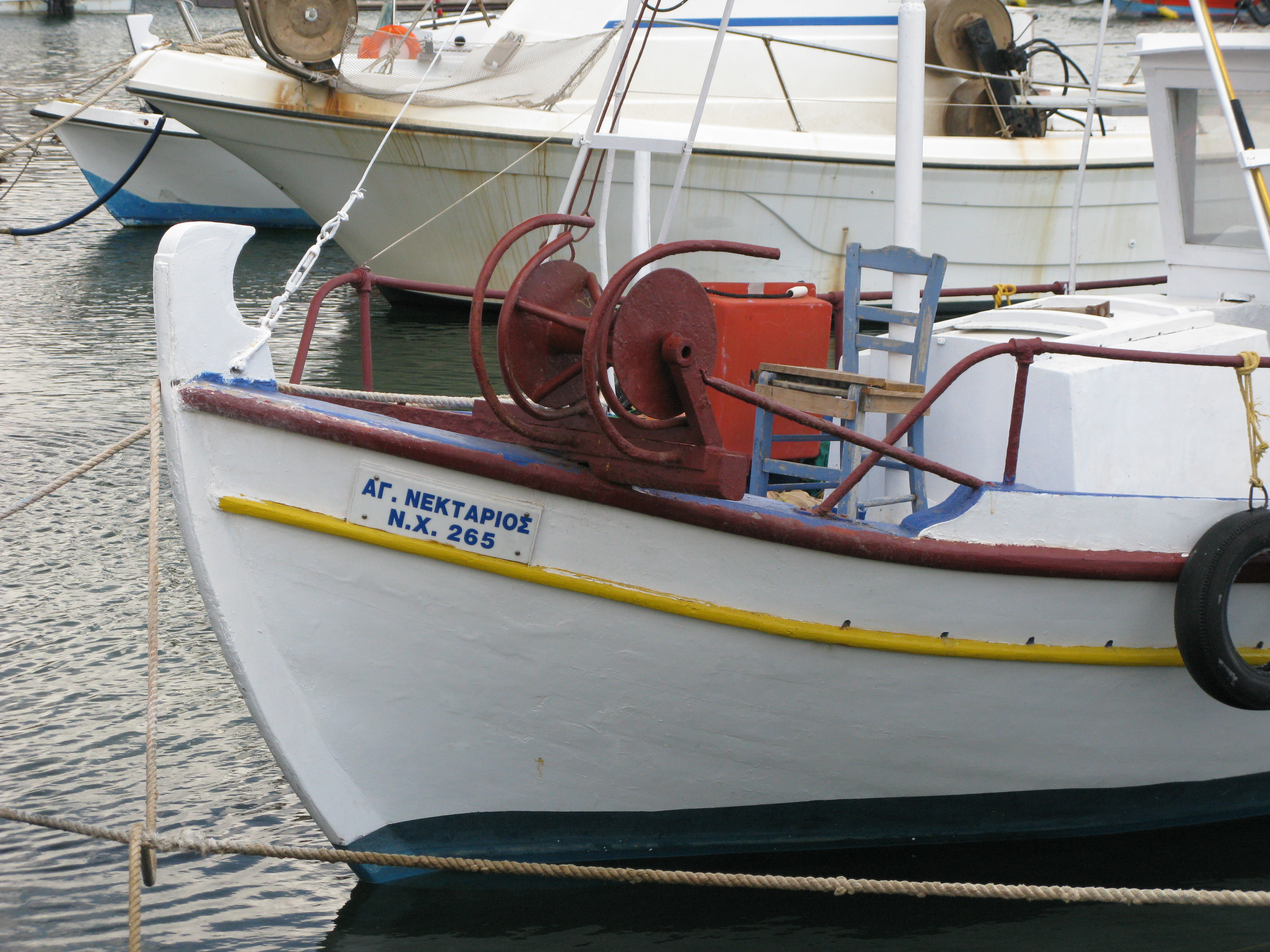
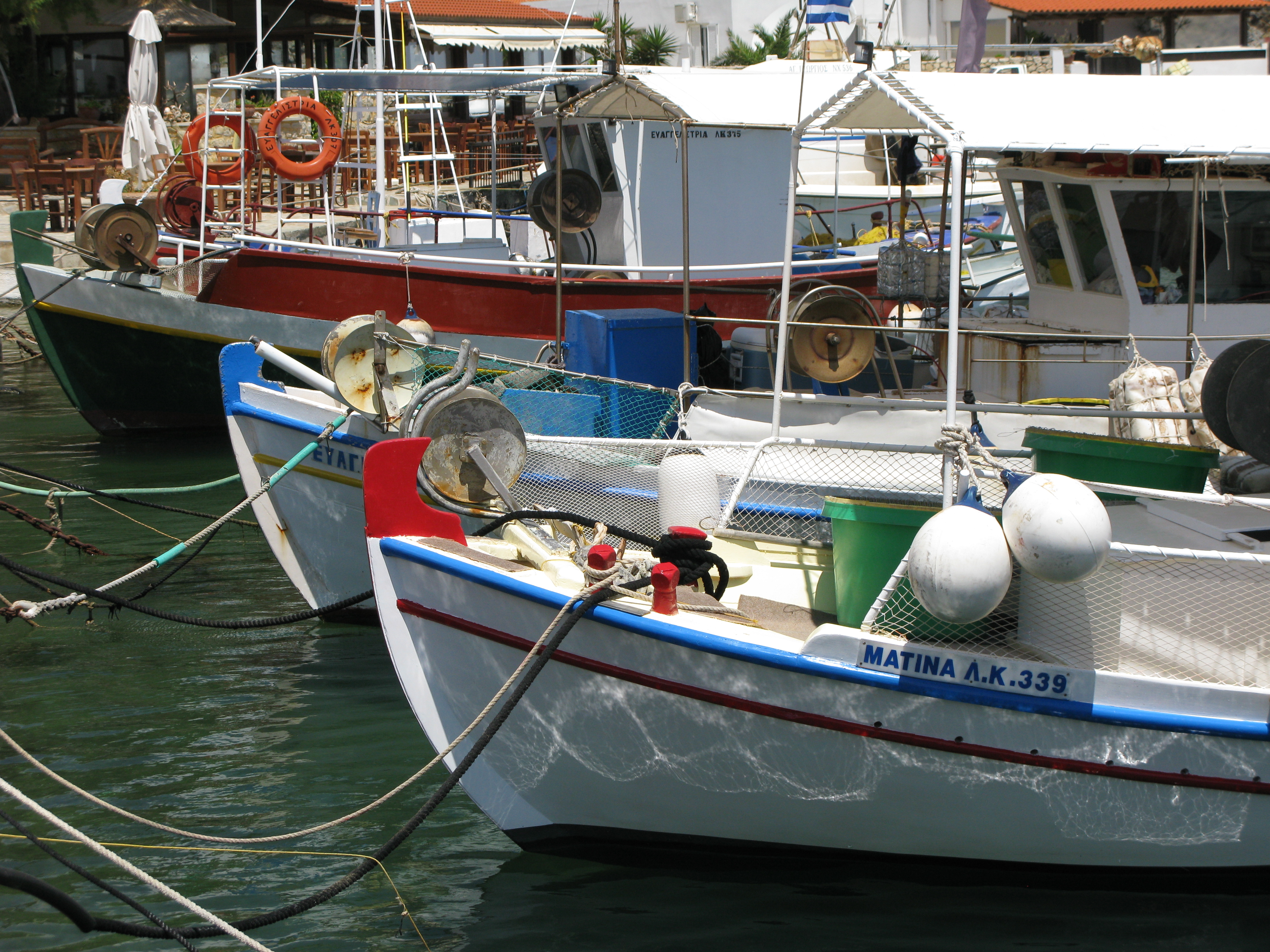
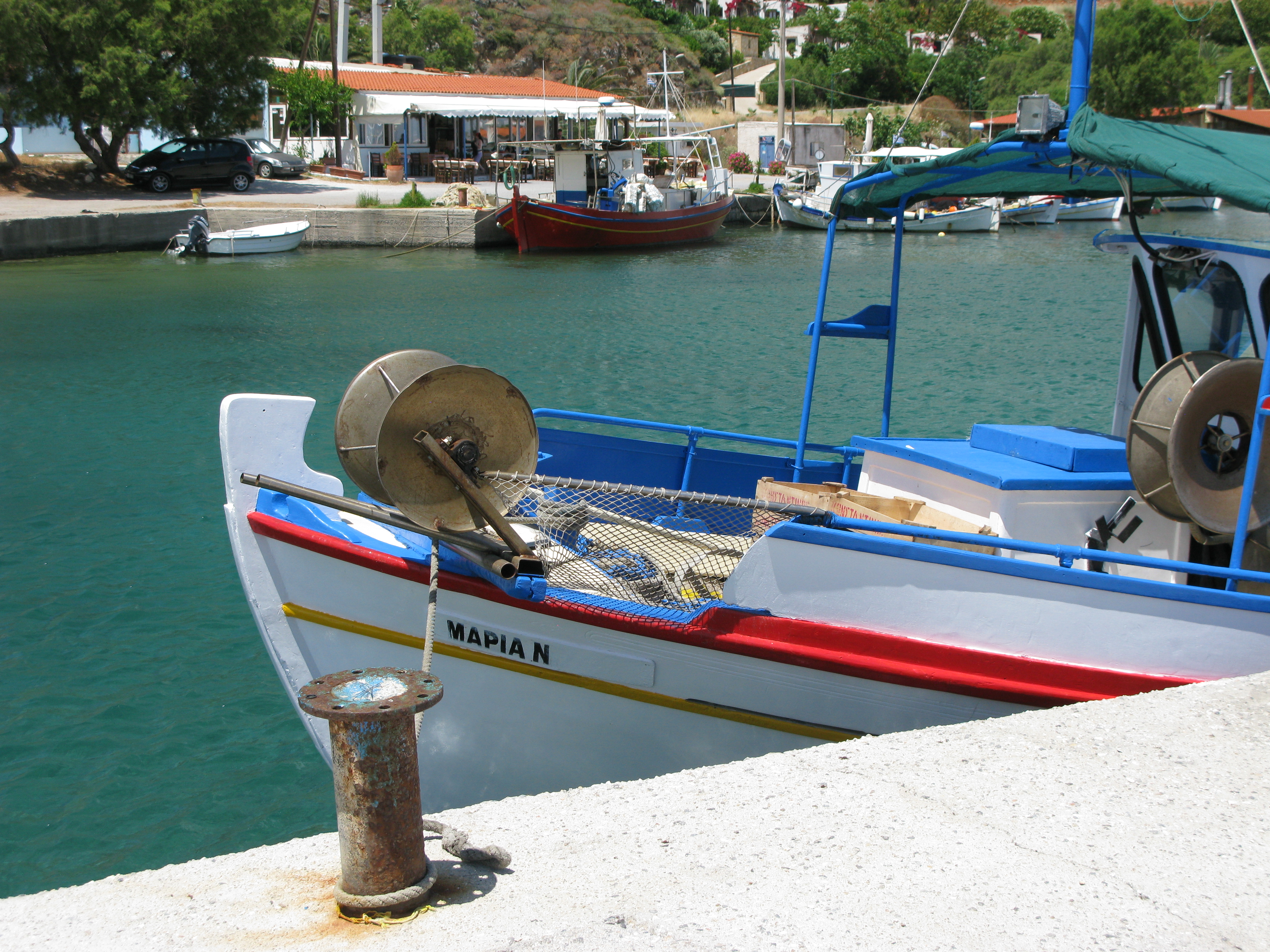
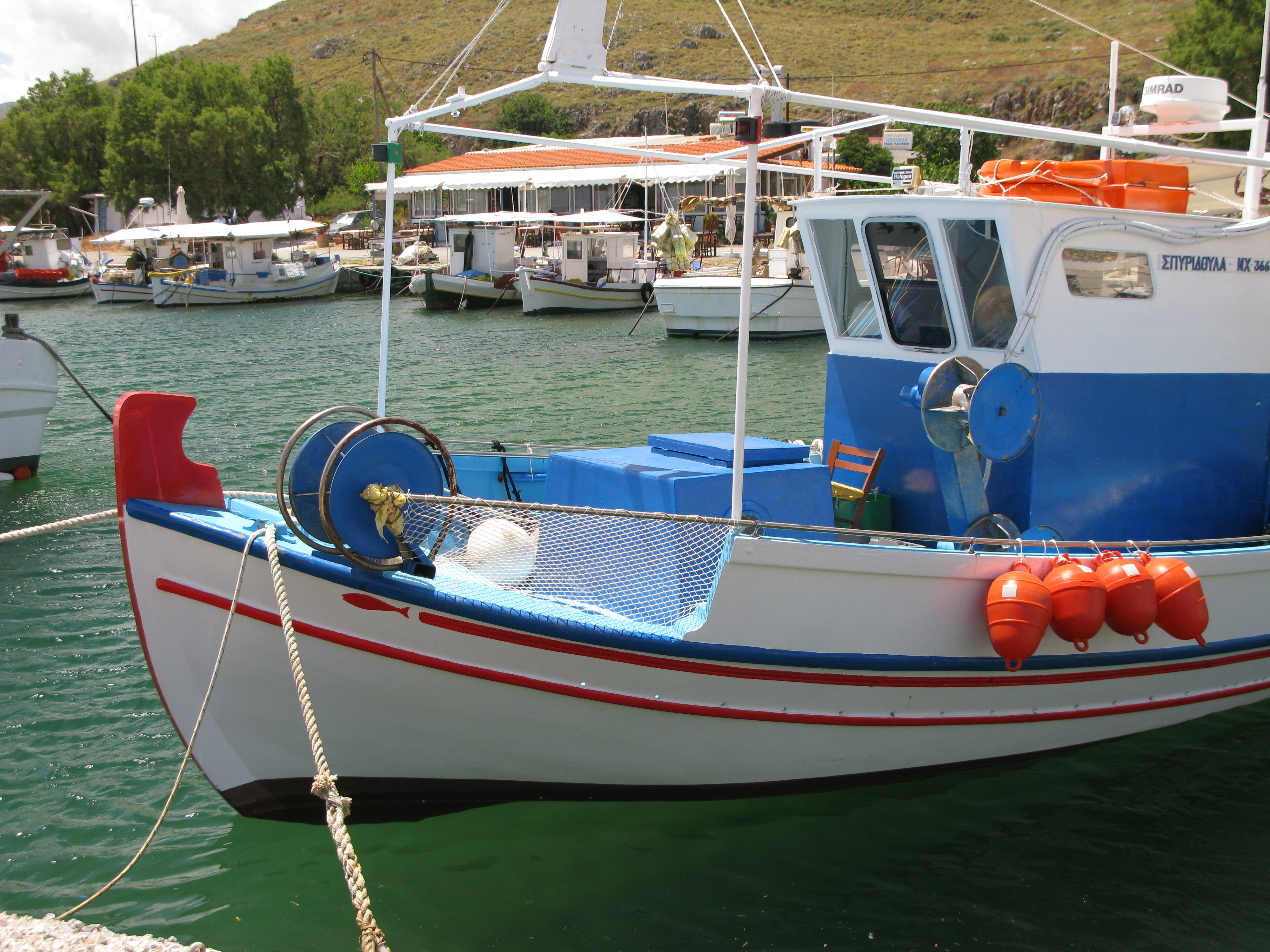
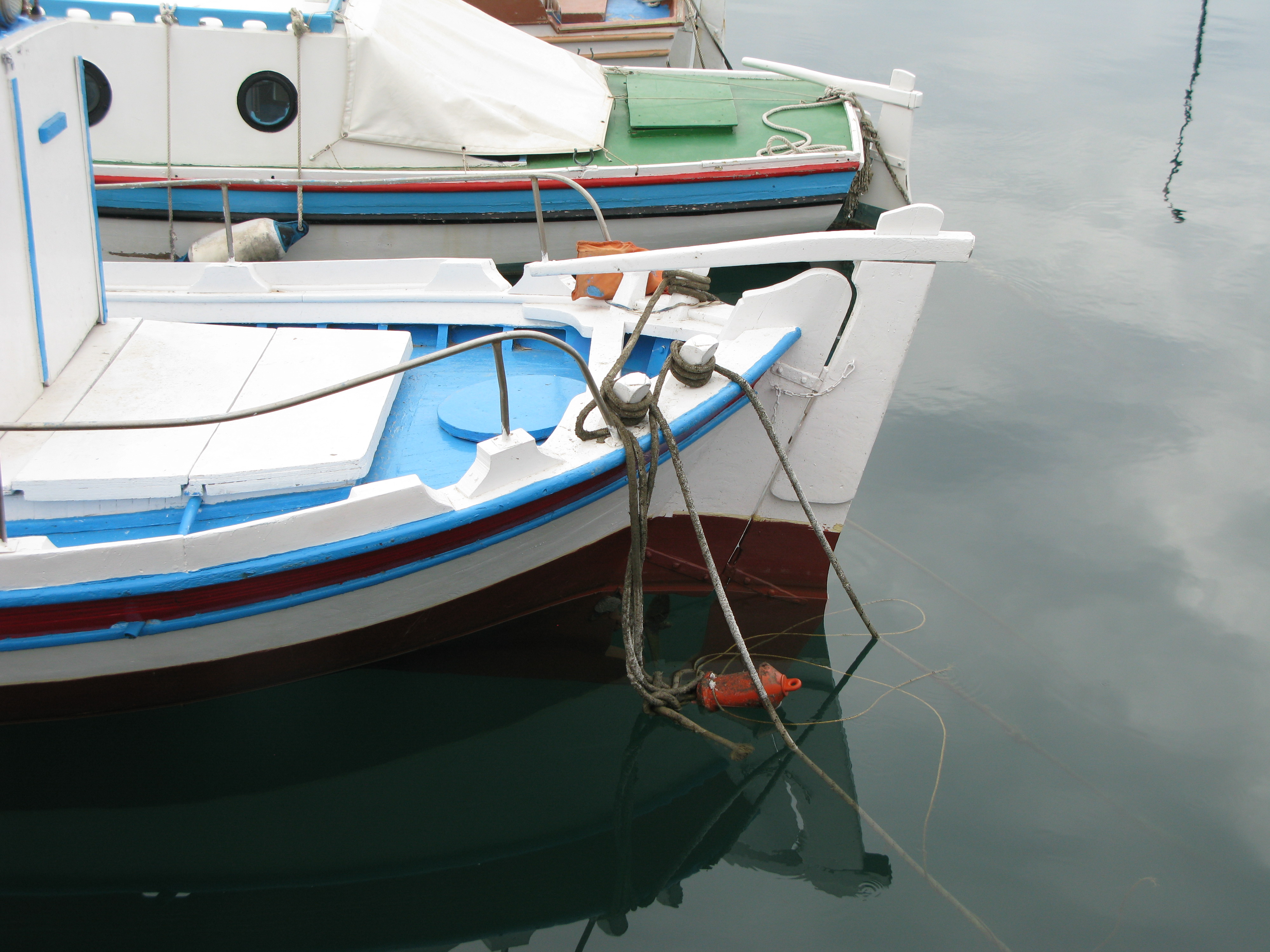
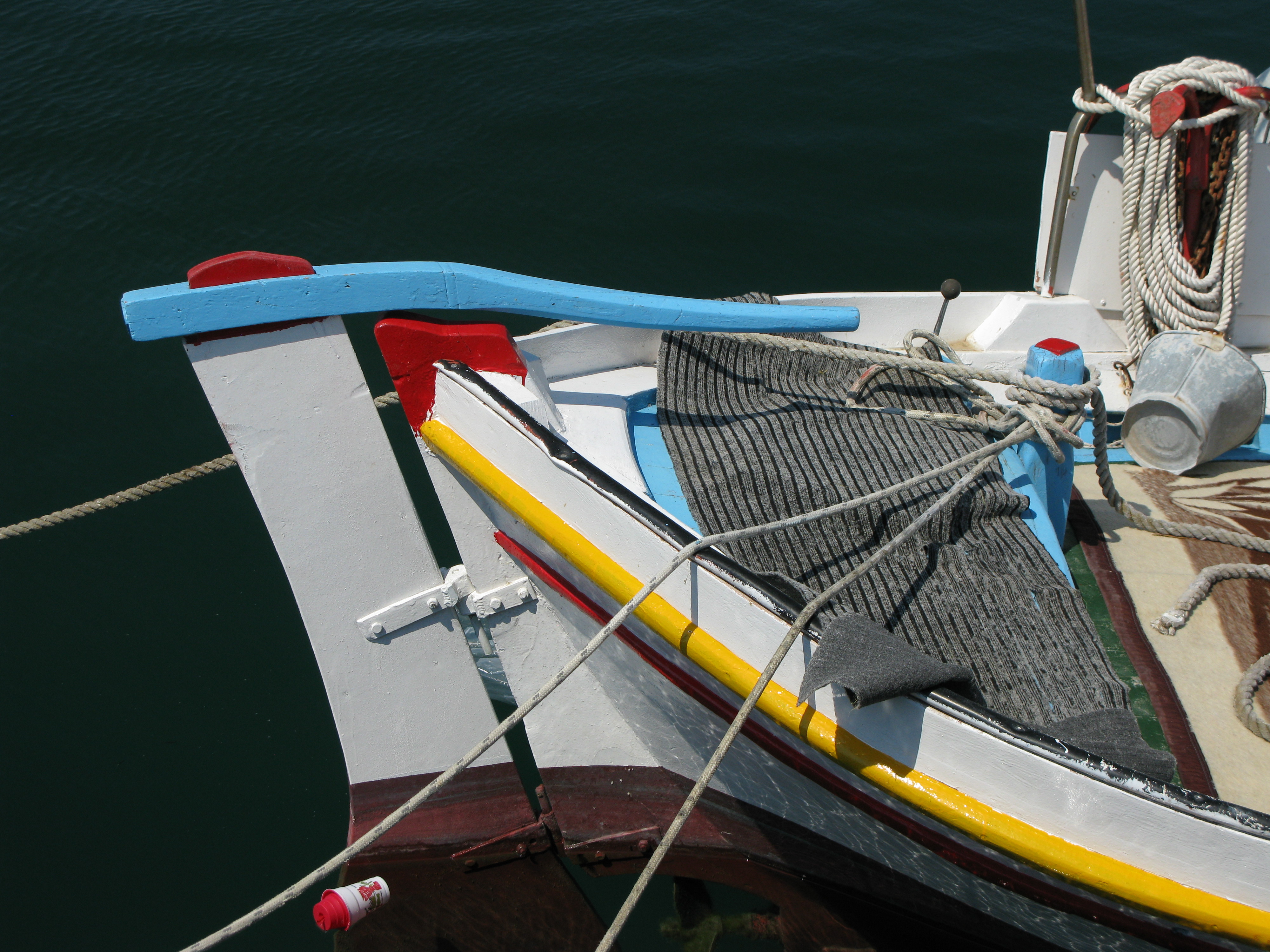
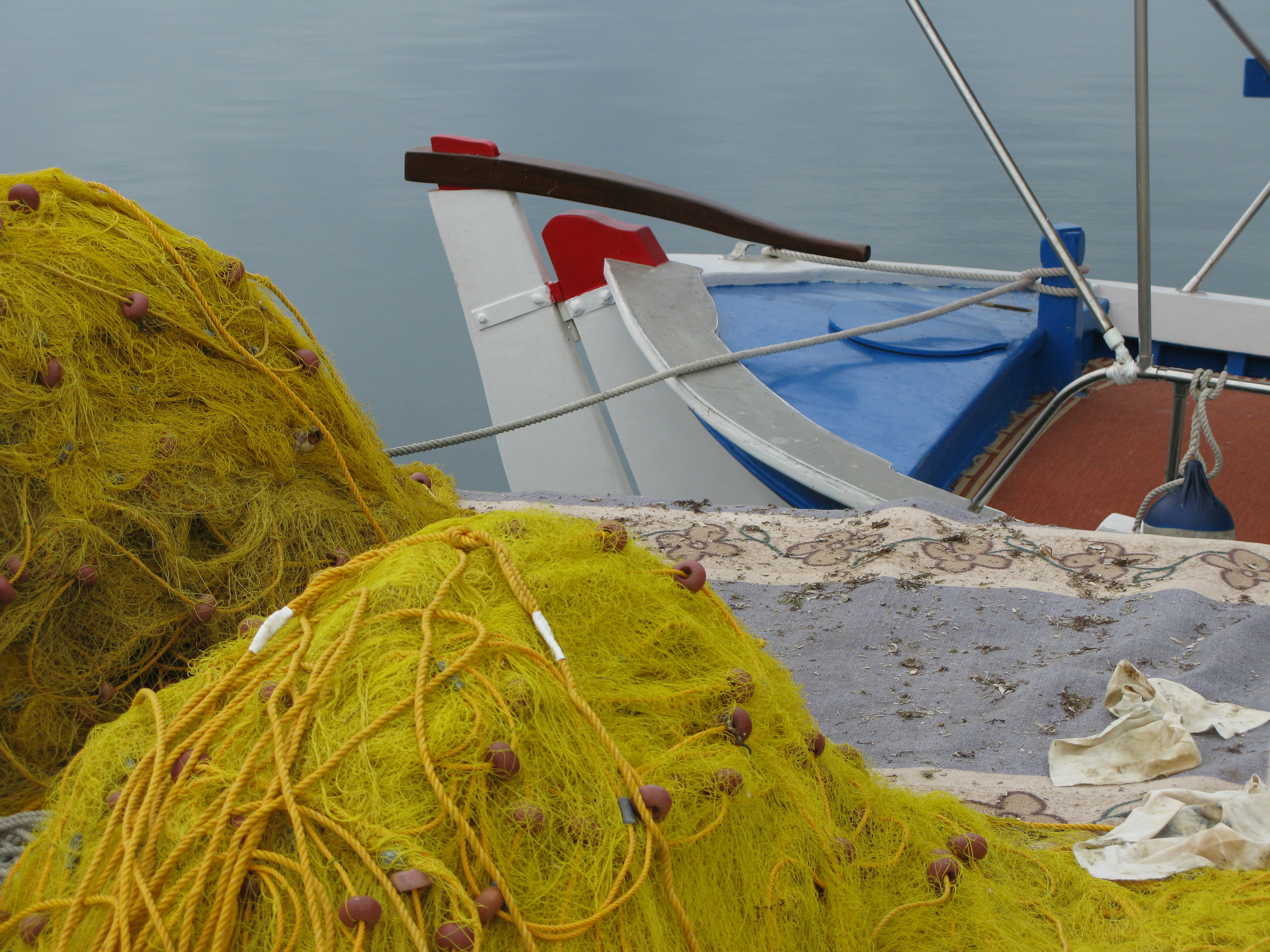
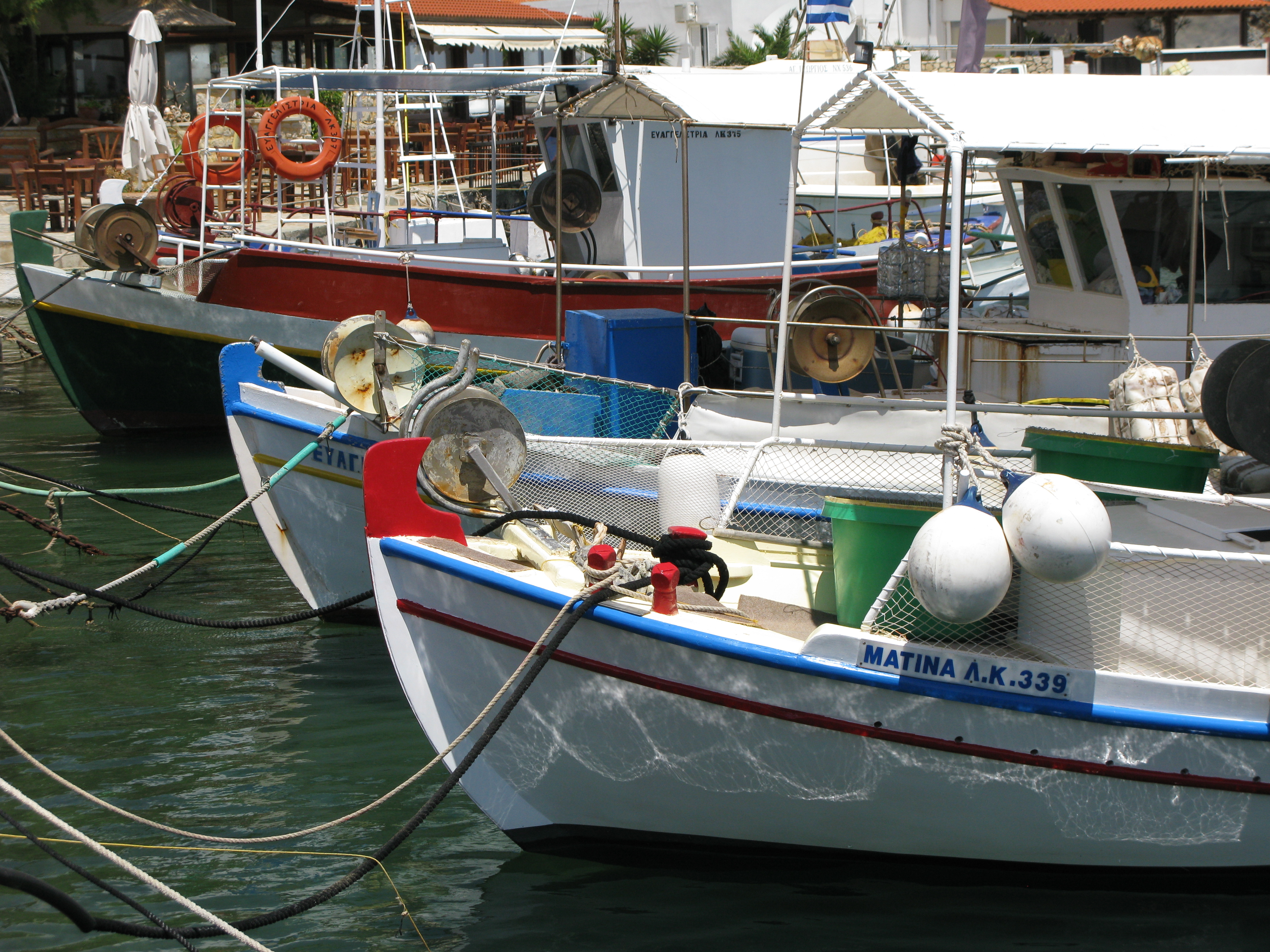
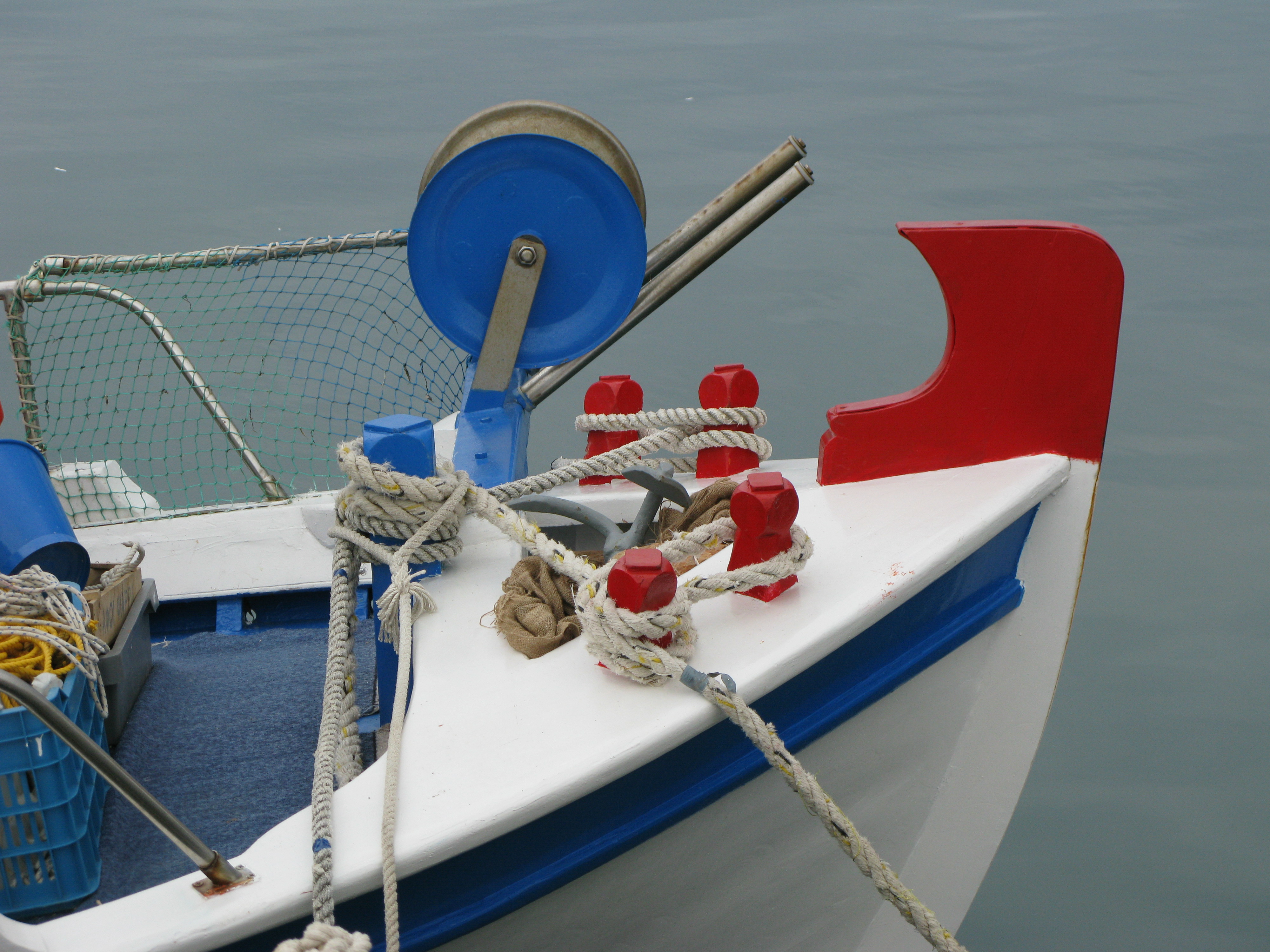
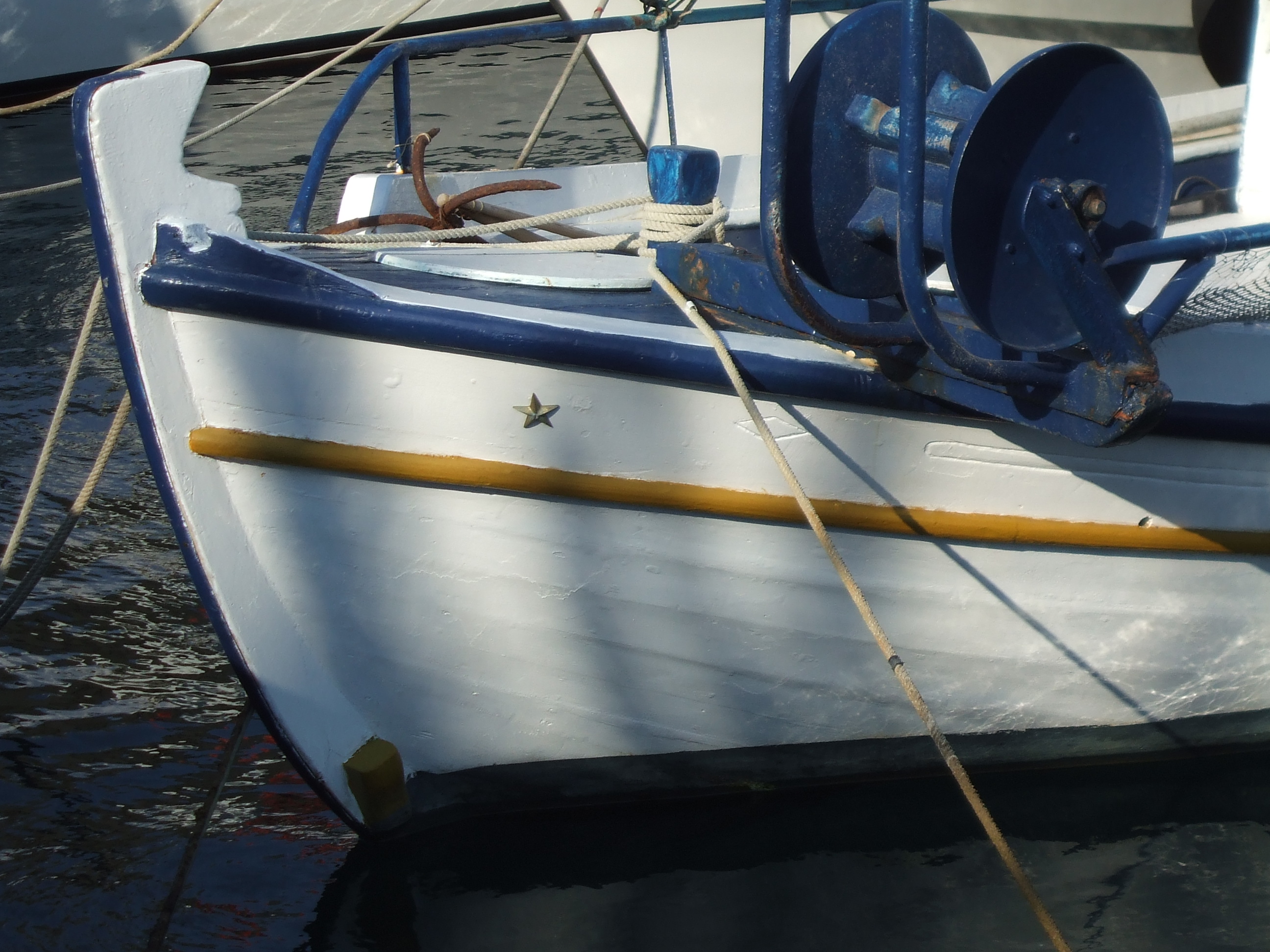
2/7: Nine bow posts

I don’t know the Greek for bow post.

They are very distinctive to the small inshore boats in Crete and throughout Greece.

(Click image to enlarge)

“Greek island fishing boats destroyed”.  The website is Greek Island Travel and there is an understandable slant  towards preserving these boats for people to enjoy their holidays in Greece. OK, if that what it takes. But these are essentially work boats.

I have plenty of images of boats that are no longer used for fishing, many of them fine-looking craft in their own right.

But it is the fishermen himself that gives life to his boat – gives it its unique character.  Lose the fisherman, you lose the character.

I will try and demonstrate this in later posts.

in the For Love of  a Boat series.

1/7: Four tillers

This is a continuation of the For Love of a Boat series.

From my last post, you can see I have been thinking about Crete.

Here – and in a number of posts to come (I don’t know how many yet), I am putting together groups of ‘boat pictures’ taken in Crete over the past ten years.

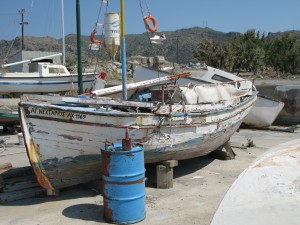
Time goes on. Political, economic and social pressures mean that some (many?) boats will end up like this:

This boat happened to be in Crete, but there are boats like this all over the world. They become neglected, then irreparable – and then they disappear. Whatever the reasons for it – and there are reasons aplenty, most of us would prefer to see boats maintained and cared for. There follows a record of some of these :

~~~

Four tillers (click on an image to enlarge it)

~~~

Thank you

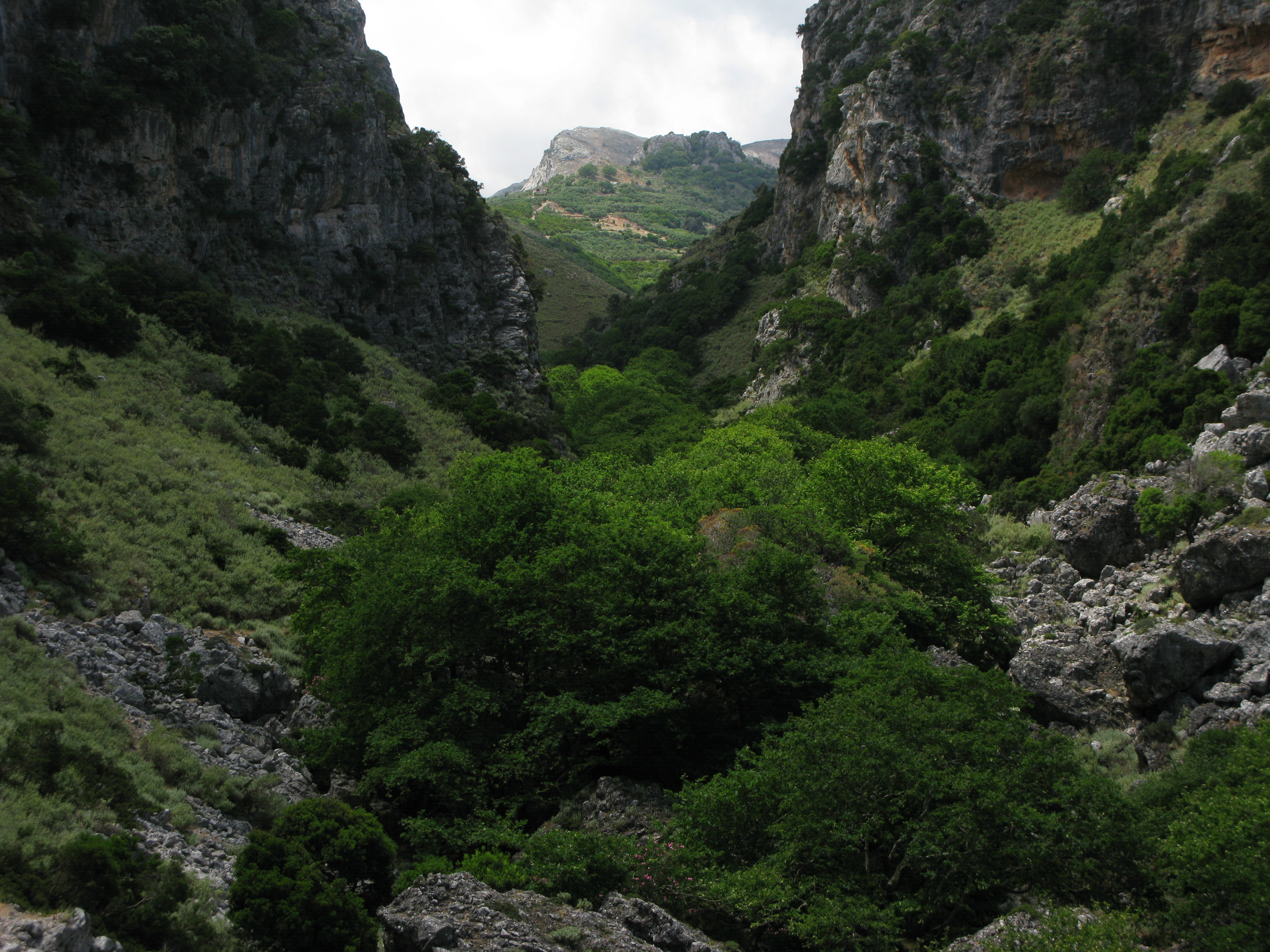
We went to Crete at the end of May. We have been there several times, We like it a lot – the island, the people, the food, the climate.

We go with friends and we walk – on the rather relaxed principle that to get to know a place you walk in it rather than drive over it.

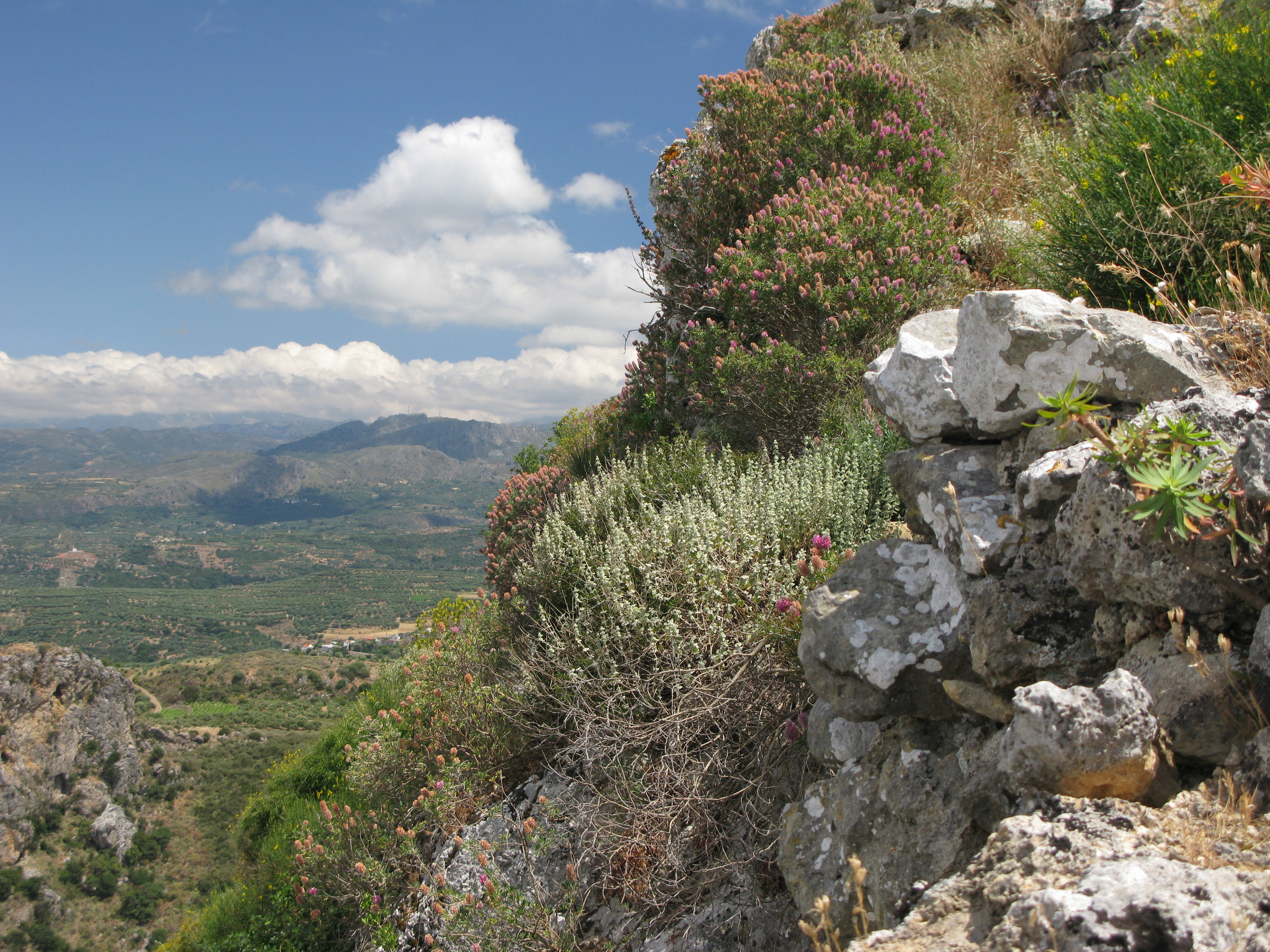
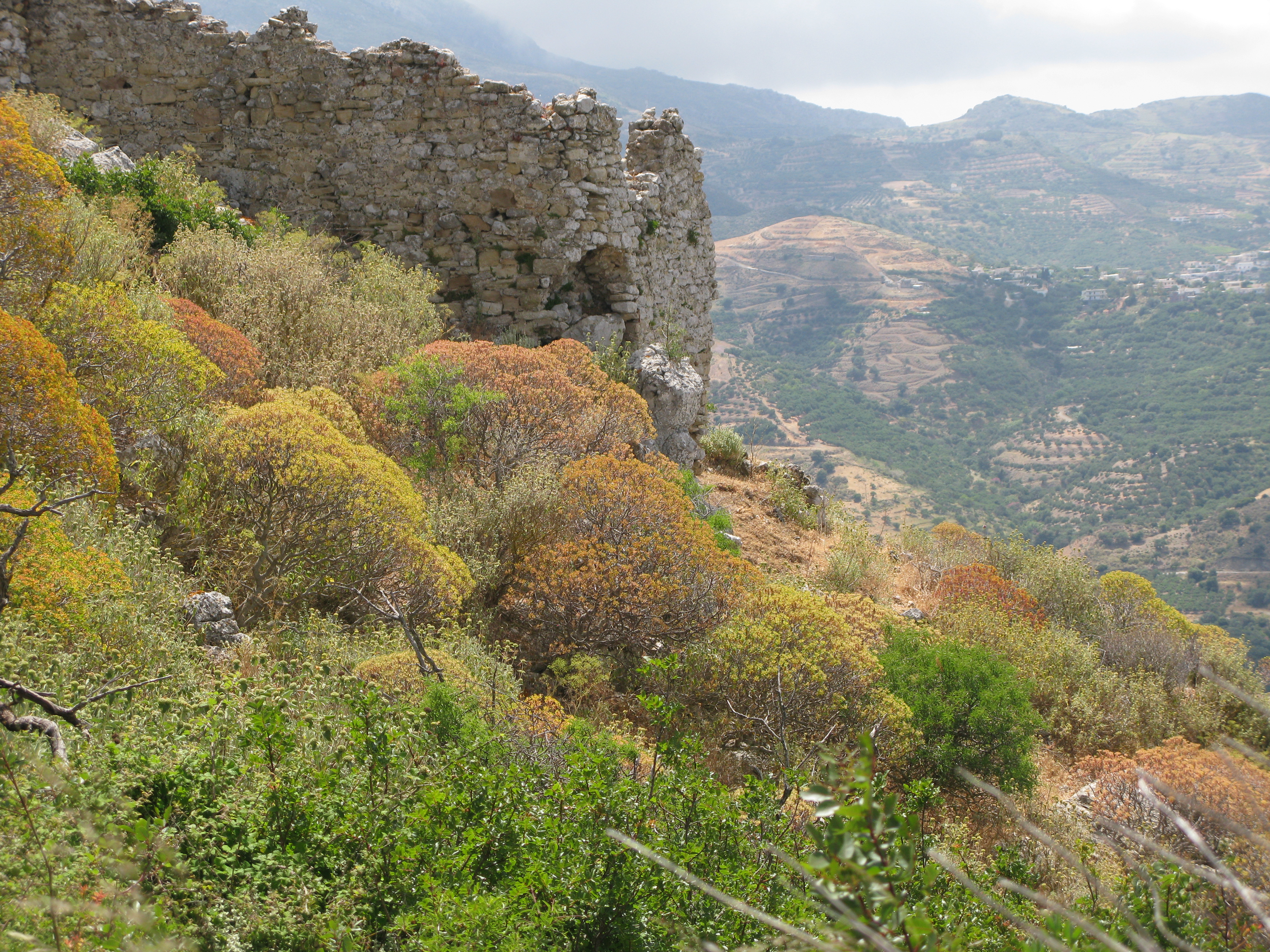
We linger – enjoying the stony paths, the smell of herbs in the air, the depth of the gorges, the occasional eagle (and the vultures), the warmth of the sea at the end of the day.

One of us lingers a lot around quays and harbours and fishing boats.

We usually find a taverna at certain points in the day. We talk about this and that.

This year we did it all  . . .

except . . .

in the second week, a broken ankle changed the routine.

And something kicked in that most people only experience occasionally – the kindness of strangers.

~~~

I approve of the guidelines for the Jester Azores Challenge:

  • no regulations: skippers will be entirely responsible for the equipment they take, based on their own experience
  • only hint of bureaucracy will be the signing of a form of indemnity accepting the skipper’s full duty of care for himself, his dependants and his fellow seafarers during his participation in the JAC.

To travel on land or sea is to accept responsibility for yourself, your own safety and, if accompanied, the safety of those with you.

If you get into trouble, you may not be able to deal with it all yourself, then you turn to others for help, but that help is at their disecretion, it is not your right.

~~~

So, one morning in June, on Gramvousa Island off north west Crete, on a long descent of sometimes uneven steps, an ankle turned and, by the angle of the foot, it was obvious bones were broken.

Peggy, Chris, Mike and I looked at Peggy’s ankle, then at each other, then at the tourist boat some distance away. All with the same thoughts: what should we do immediately, how should we get her to the boat, and how were we going to get the medical help she so obviously needed?

From that moment on, people appeared:

  • French ladies who insisted Mike and I carried her ‘correctly’ – (messieurs!), and insisted on taking our gear;
  • the young French rep who made two splints out of driftwood  and carefully bandaged the ankle;
  • the boats crew who made ice packs;
  • the many fellow passengers who came to express their sympathy and talk to her;
  • Manolis, our hotel manager, who, after a phone call from the boat,organised the taxi driver;
  • the taxi driver himself, who took us to the local hospital in Kastelli and insisted on finding a wheelchair and looking for the doctor;
  • the doctor, her assistant and the nurse who examined and properly splinted the ankle;
  • the radiologist the following morning who promptly provided the x-rays that showed the extent of the injury and the need to go to the regional hospital in Chania;
  • the taxi driver who came to our aid once again and delivered us to the Accident and Emergency Department at Chania General Hospital, where the x-rays were viewed, the ankle examined, the bones manipulated gently into a better position, the ankle resplinted and more x-rays taken;
  • the orthopaedic surgeon who did all this and explained the problem.

There followed a week in hospital, including an operation to place plates and screws on the day we were supposed to fly back to the UK.

And more people:

  • the clinical nursing staff;
  • the nursing care staff who helped us when they could despite being assigned to particular patients;
  • the elderly lady in the same ward
  • the Belgian couple, she run down by a motorbike, he shocked at what had happened;
  • Stelios and Costas of the Cellar Tavern in Kastelli-Kissamos. We ate there most nights, enjoying the stunning view of the sea and the excellent food. Valuing our independence, we didn’t go on Stelios’ walking tours – perhaps it would have been sensible if we had done. However, every evening we saw those that had walked with him  and were impressed by the way they had so obviously enjoyed the experience.
  • But above all, Manolis, manager of the Galini Beach Hotel, who went far beyond the call of duty to make sure that we were managing in the hospital ok and were as happy as possible in that situation. He found a wheelchair for us, organised a car for me to drive to Chania, taxis when we needed them. Hotels are as much about the management as they are about anything else. He was superb. We will stay there again.

Greece, of which Crete is a part, has had difficult time over the past years. A lot has been said, and politics has taken its toll. The national self-interest of many countries have led to sometimes misleading comments, designed to satisfy a home audience rather than allowing a balanced view. But we were reminded of something important in the week that we were sorting out the ankle problem: the deep well of humanity in Crete – a willingness to help each other on a person-to-person level.

Throughout Europe we are buying into regulation, as if this is ‘the answer’.  The very existence of the regulatory bodies  allows them to regulate more and more. This is what they do, with the tendency to depersonalise the organisations that they are intended to monitor. It is not that regulation itself is wrong. It is that it has been overdone and, in doing so, diminished those involved.

The values they espouse are shorter-term economic ones. But where are the longer-term values of  trust, goodwill, generosity of spirit – vital ingredients in the complex range of values that drive people forward? Where will they be in ten years time?

In Crete, we felt those values in action and were lifted by them.

Thank you to all those mentioned above. We will come back.

Bude, Sunday

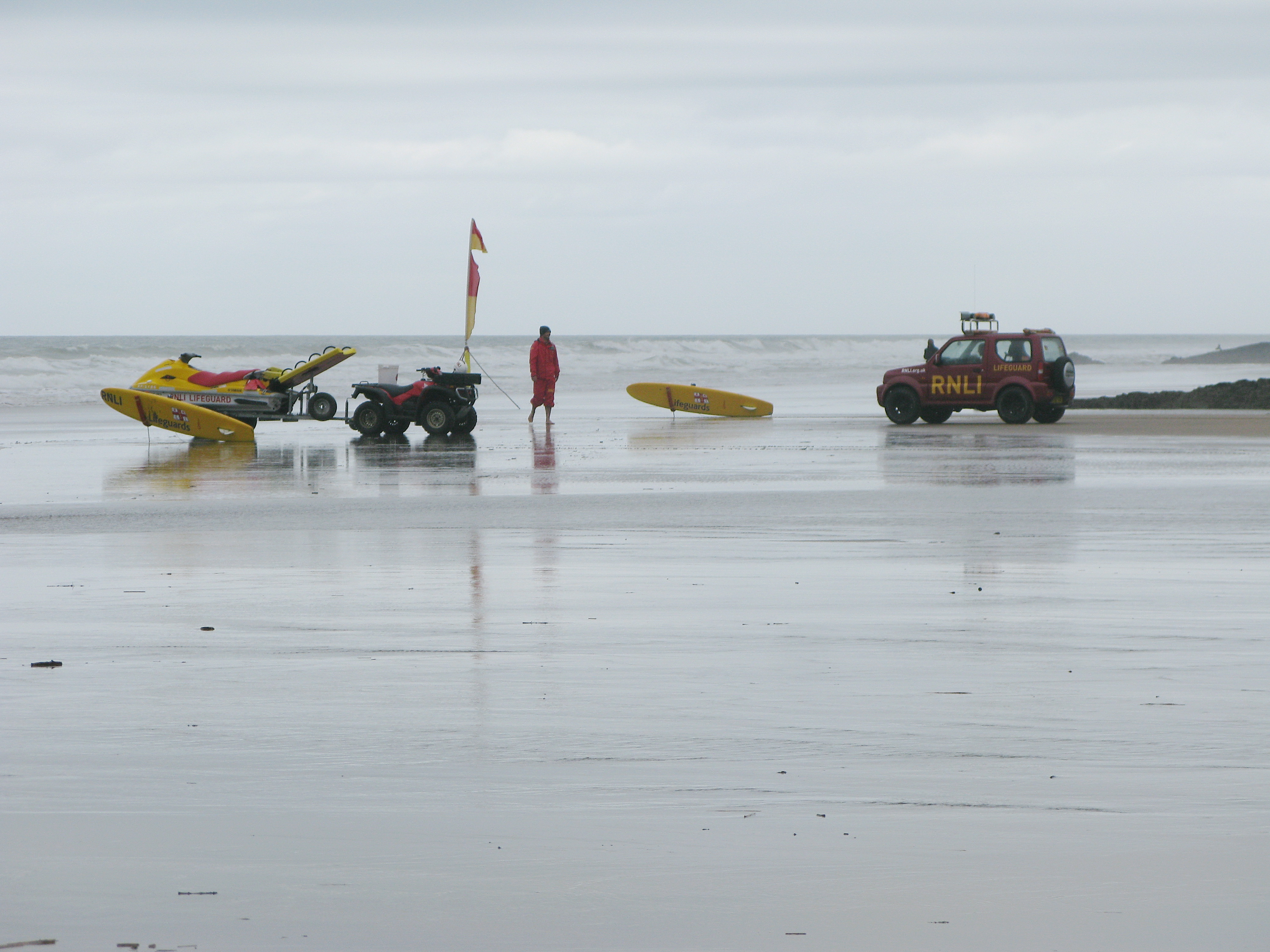
Bude, Sunday, cloudy skies, low tide

Beginning of the season, the RNLI out in force

Image

The beach crew were checking their gear

Image

The lifeboat crew were about to launch on exercise.

Image

Elsewhere, the surf school was in full swing.

~~~

I had just been to my favourite bookshop, Books by the Sea, which was fatal. I was walking across a beach carrying two books having narrowly avoided buying a third.

The first was a good copy of Eric Hiscock’s Voyaging Under Sail, a 1977 edition of a book originally published in 1959. It is a companion to Cruising Under Sail which I bought many years ago.

Eye-brows are usually raised when I return home with more ‘boat books’. The question has even been asked, “Why buy books when you can get most of the information for free in easily digested packages via Google?” Well, maybe you can, but you don’t get the author.

Even if the technology is outdated,( and it certainly is in the chapters on electrics and photography), Eric and Susan Hiscock’s books reflect their day-to-day learning from their own experience and their continual application of other ideas that they have picked up in their travels. The knowledge, skills and attitudes reflected here are hard won,

Put glibly, their’s is on-the-job learning. Those of us who spend a lot of time book learning a) should get out more, and b), as importantly, should very carefully pick the authors we learn from. With that in mind, the Hiscock’s books should be compulsory reading for anyone who wishes to put their nose beyond the breakwater.

~~~

I was dubious about the second book, then bought it anyway – The Design of Sailing Yachts, by Pierre Gutelle.

This is technical stuff. “The author first considers the air, wind, water and wave and then goes on to the theory of aero- abnd hydro-dynamics and such topics as friction, form-drag, cavitation and viscosity. There follow chapters on the equilibrium of both transverse and longitudinal stability of sailing yachts . . .”

It is full of diagrams, graphs and formulae, a combination that I would normally run a mile to avoid. However, I made myself comfortable in my mother-in-law’s front room, ignored the football on the television and had a go. A while later, I realised I was absorbed. This was physics at a much higher level than I normally tackle, put in a way that I can understand. Extraordinary!

Sailing Blue Mistress has taken on a new dimension.

Two yachts, wind, tide . . . and a garden.

“Kissing will go out of fashion when the gorse ceases to bloom.”

No chance – the gorse is still looking good.

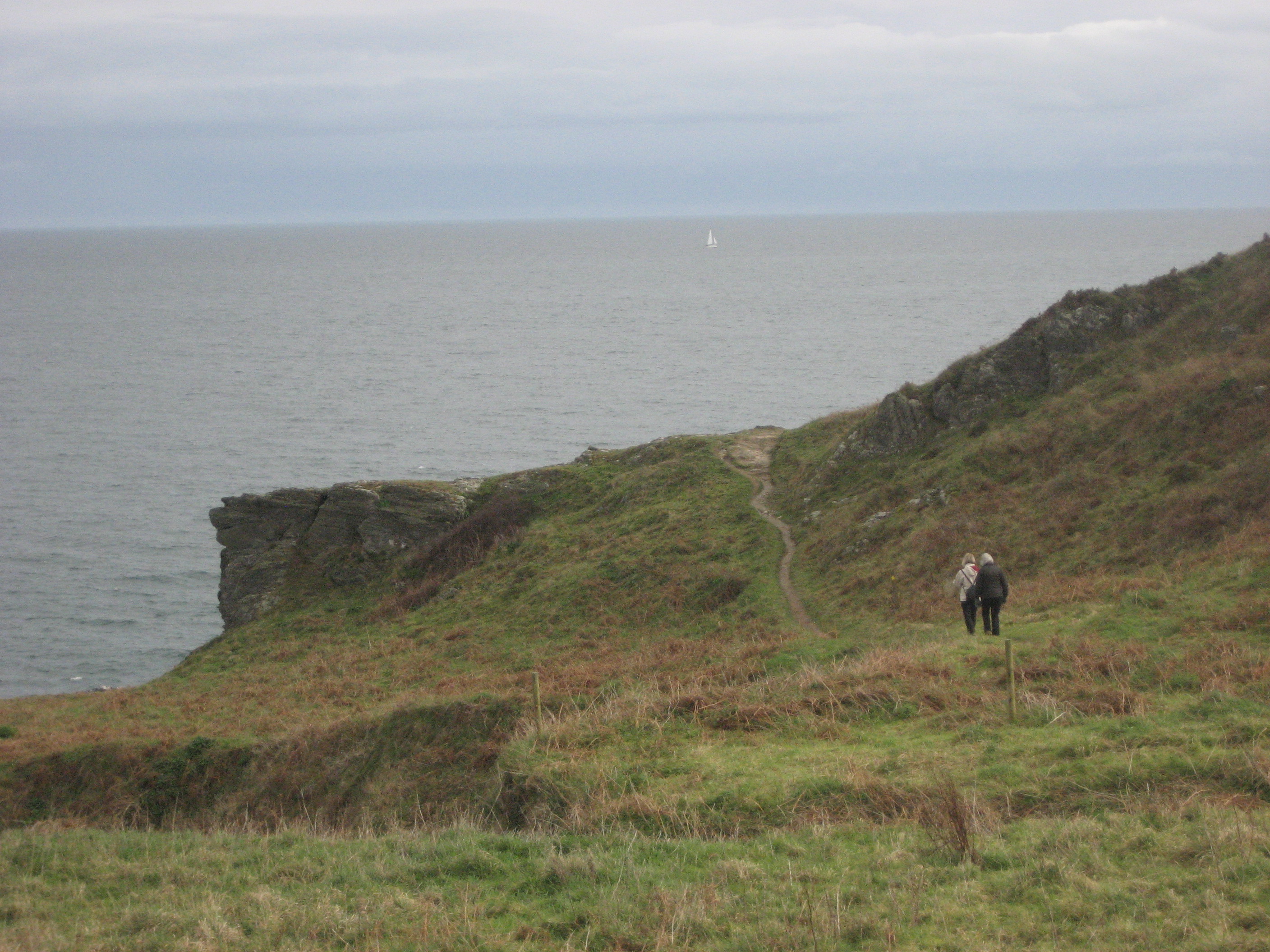
We have worked all morning and need to walk away from it. The coast path is the obvious choice – a stretch between Brixham and Dartmouth the easiest to reach. As we descend to Scabbacombe Head, a cold wind blows from north of west, sunshine intermittent.

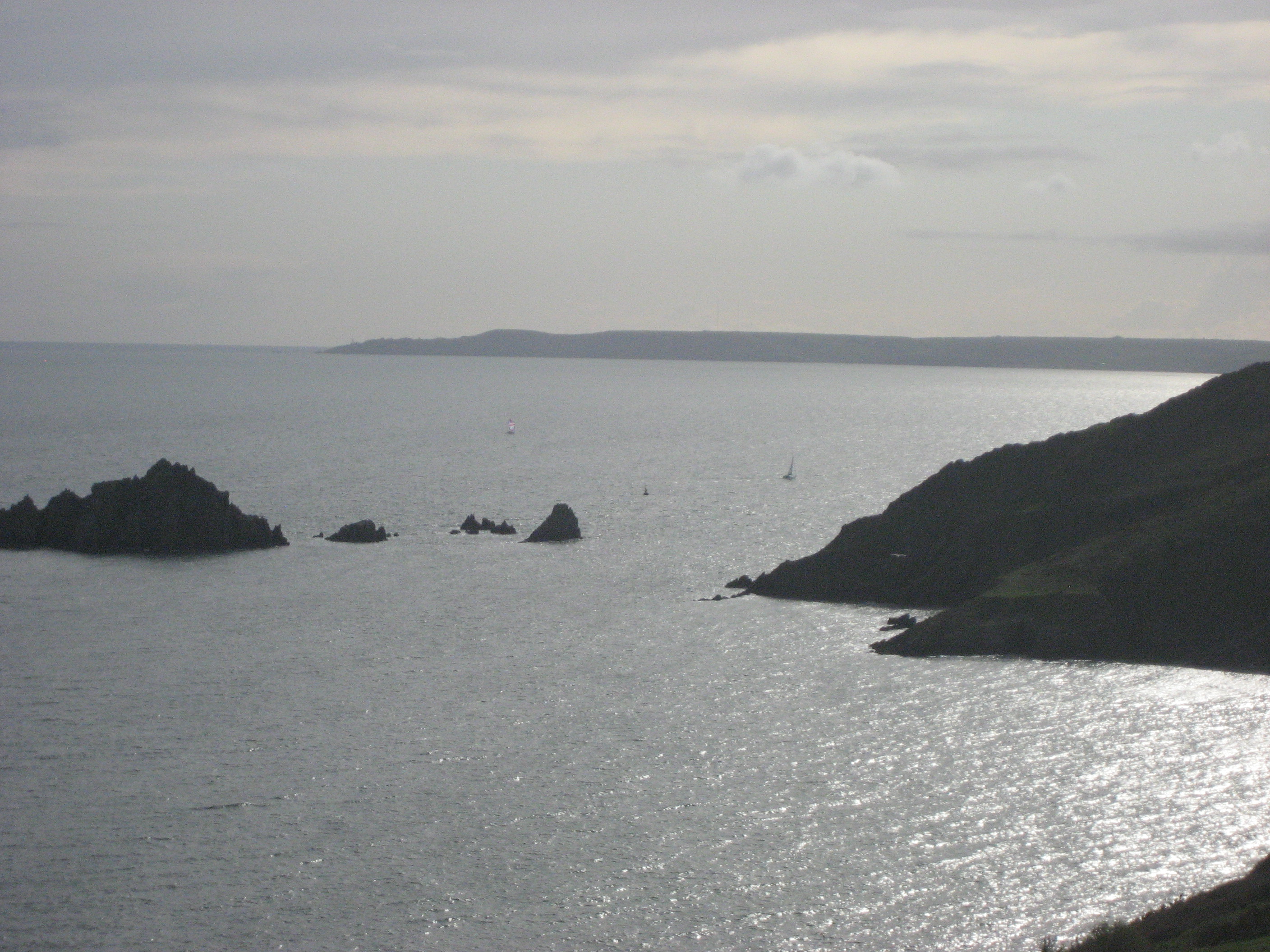
We watch a  sloop-rigged yacht working its way up from the south towards Dartmouth. As she closes the shore, the combination of  wind and tide is taking her too far to the east of the Mew Stone – by at least a half mile. She tacks and it is immediately obvious that the strength of the tide and the direction of the wind will make the offshore tack even less beneficial. The genoa is furled, she comes about again, motoring strongly under mainsail alone.

Twenty minutes later she rounds the Mew Stone (on the left of the picture below) and lowers the mainsail in the later afternoon light. At the same time, she is joined by another yacht that completes a fast spinnaker run – with the benefit of a favourable wind and tide. She has sailed from Start Point in the background, keeping to the south of  the Skerries bank, which stretches for three miles this side of Start, parallel with her course across the bay.

Start Point is on one the great south coast headlands that the sailing ships marked as they came up-Channel –  Lizard, Start (Point), Portland (Bill) and (the Isle of) Wight, before heading through the Straights of Dover and on to the Thames Estuary or the North Sea and Baltic ports. Now, thanks to the the Traffic Separation Scheme in the Channel, it is the down-Channel traffic that marks the headlands – but, given modern navigation aids, they do so more often out of interest than necessity.

The yachts head or home, we meet two walkers keen to make the pub in Kingswear before evening, and then we drop down into one of those folds of this coastline that has generated a micro-climate of its own, a complete contrast to the scenery of a few minutes before.

This is the Coleton Fishacre garden – a tiny valley throbbing with pent-up energy – plants ready to burst into spring.

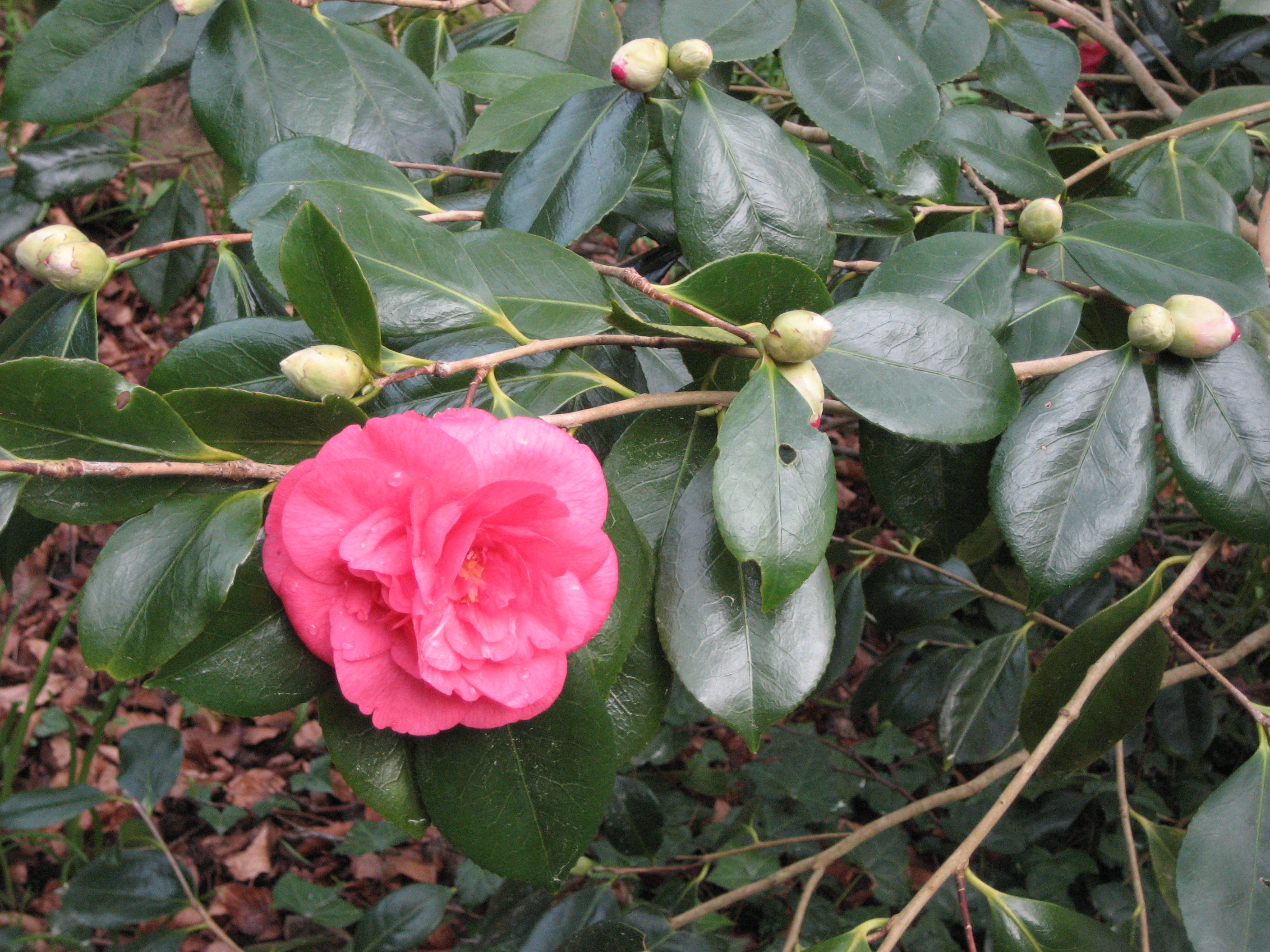
The camellias are coming into flower . . .

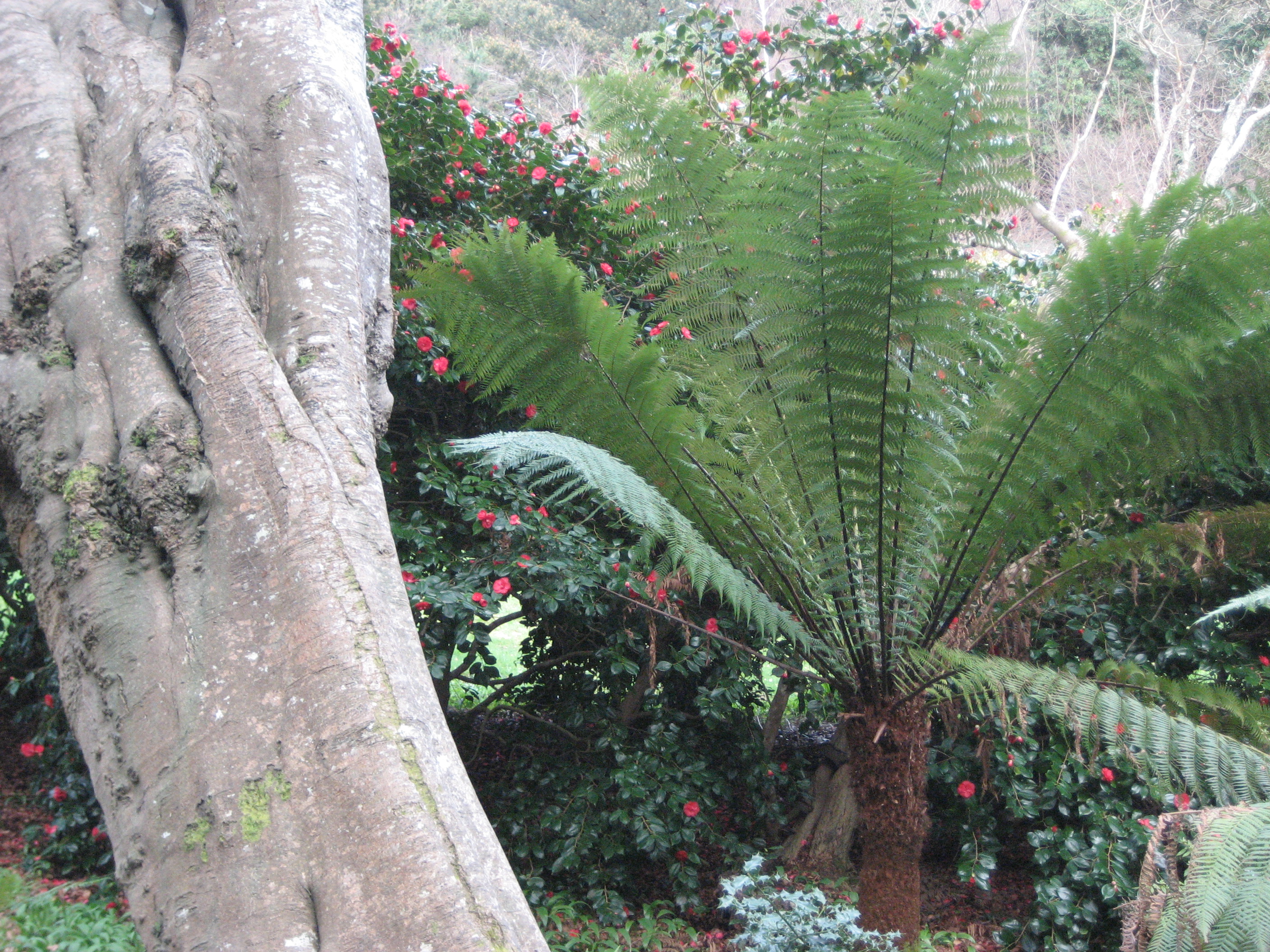
. . . and the tree ferns are splendid.

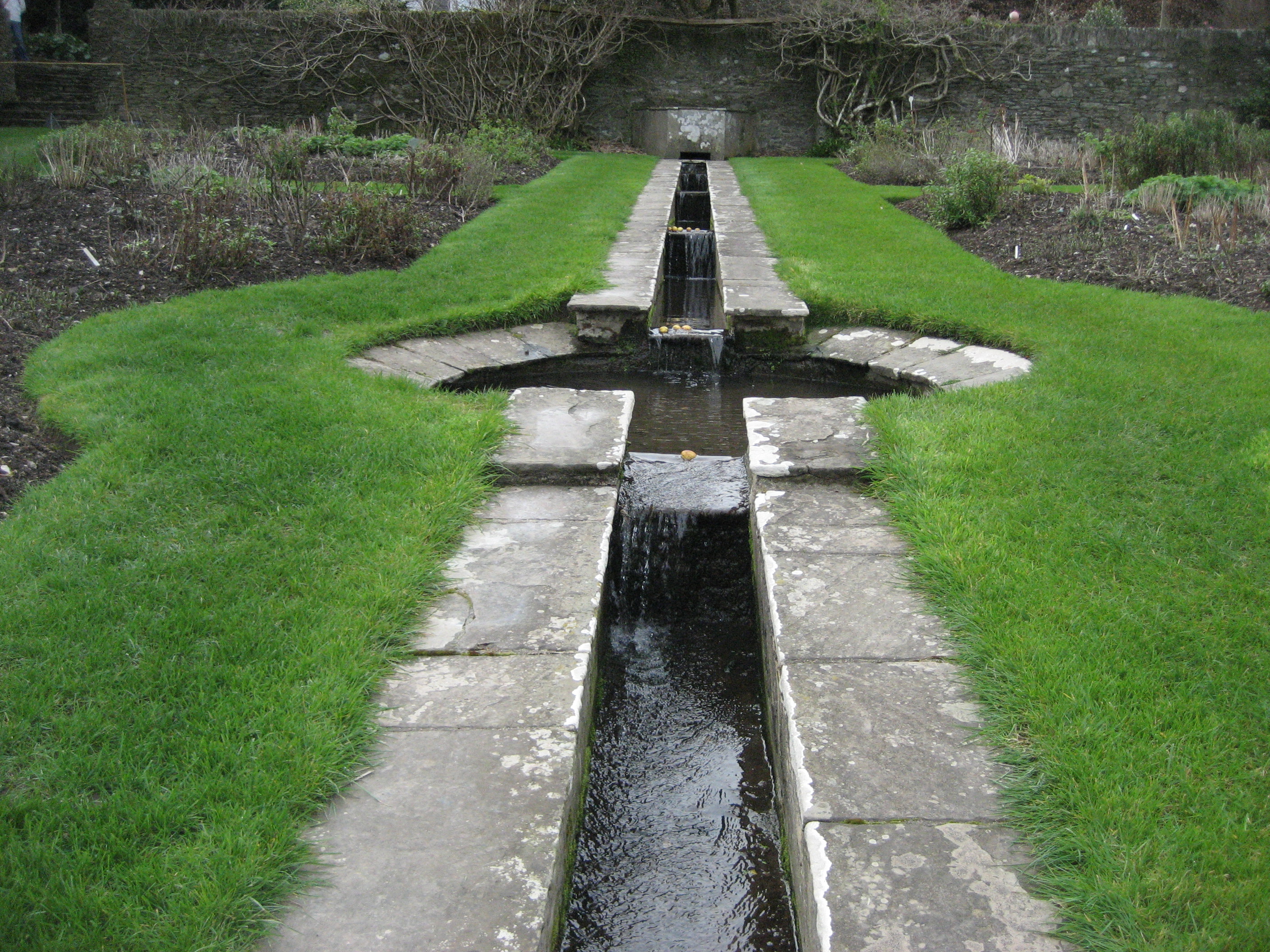
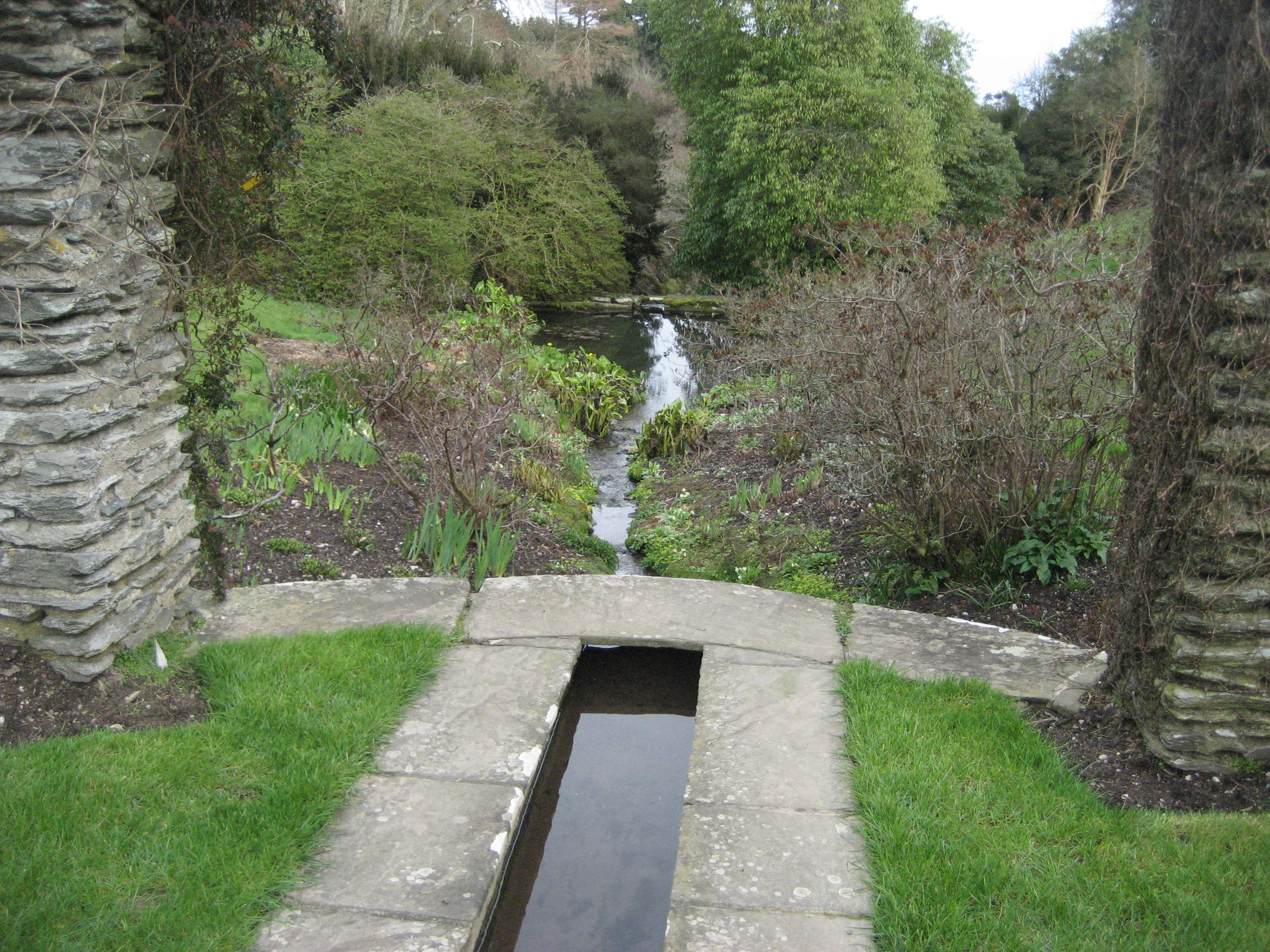
The steep climb takes us level with the house and the stunning rill.

But we have visited before and walk on – intent on a cream tea before the final 3/4 mile climb back to the car. As we drive home, we remember the two yachts that should now be berthed safely in their Dartmouth marina. Only one of us wishes he had been on board!

The Voyage of the Storm Petrel

I am writing this on Blue Mistress. It’s 1230 on Saturday. There is a constant flow of traffic across Laire Bridge half a mile upstream, and, earlier, someone decided to try out his hovercraft.These must be the noisiest vessels ever invented.
It’s overcast and slightly cold and I am considering lighting the stove. Today is the top of the spring tides and the tide is going down fast. Low tide is around 1430. The mud along the rivers edge is rapidly increasing. Boats nearby are aground. We should have just enough water to float.
There is little wind for sailing. I have cleaned up below and have some jobs on deck to do later. In the meantime, I prefer to write.
– – – –
Three years ago I had an email from a Clarissa Vincent commenting on the blog site. I was pleased  she had contacted me because she owned a Folkdancer and had noticed the reference to a Folkboat derivative. Well, at the time, I barely knew what a Folksong was, let alone a Folkdancer (which was why I had set up the blog in the first place). So I appreciated the photograph and learnt about Folkdancers . Clarissa’s boat was called Storm Petrel, which I thought was a great name for a boat.
She also suggested that I start a Folksong Association. Now, it so happens that the last thing I want to do is to start a formal group in anything, but particularly where my boat is concerned. Call me stand-offish if you like, but organising clubs is no longer my scene. People run away to sea to avoid that sort of thing. So, having appreciated Clarissa’s comments, I felt that, if she was intent on forming clubs, then we were going in different directions. That is how blogs go. Some contacts are single comments, some continue for a while, and others result in genuine appreciation and a long-term relationship. But you are aware of where the contacts come from and why – or you think you are . . .
A couple of weeks ago, Bill’s log – (yes, I know), mentioned a book written by the same Clarissa Vincent – The Voyage of Storm Petrel, Britain to Senegal Alone in a Boat. Bill wrote a good review. You can read his account on the link above. I remembered Clarissa’s comments and enthusiasm about Storm Petrel. I bought the book and have been enjoying it ever since – enjoying it and realising that I owe her an apology. Clubby?? Certainly not. I got it wrong, Clarissa. I’m sorry.
– – –
I’ve lit the stove. We have about .5 metre beneath the keel. The tide is slackening but still dropping.
I want to tell you why I like this book.
Between 2002 and 2004, Storm Petrel made a voyage that began in Bristol to sail far enough south to enjoy a climate warm enough for a gecko. Clarissa found her geckos in Portugal and she eventually reached Dakar taking in Spain, Portugal etc. on the way.  When she contacted me in 2006, this was all behind her. I knew nothing of it and was too ‘slow’ to find out.
Somebody once said that everyone has one novel inside them. We all have one great voyage inside us too. A few – very few, have the ken to carry it out. By ‘voyage’ I don’t mean a shiny cruise, I mean a journey. Some people become hooked on travel and are always on the move, but nine times out of ten, just one journey stands out. It has nothing to do with where they go, it is all about the getting there.
Not surprisingly I leap at books that feature boats similar in size to Blue Mistress because I’m interested in what other people do and whether I can use it on the boat. I learnt some technical stuff from this one, but I learnt even more about the people Clarissa met and the places she visited and her insight from the experience. I particularly sympathise with her contrasting Peniche and Castrais in Portugal. I have been to neither but would recognise the difference between the working town and the tourist resort – and which was the more interesting for the single-hander.
Also, her description of the traditional Portuguese working craft. Her comment: “The expression of diverse and extreme forms was largely eradicated from our over-rational and technologically dominated lives.” (p.155) sounds far more formal here than it does in the book but it chimes perfectly with the ‘For love of a boat’ series in this blog.
More than this, in her candour, she has brought out that aspect of single-handed sailing which should be translated as ‘a journey made single-handed’. Yes, there’s the boat and the sea and all the things that have to be joined up to make them work together – sails and rope and navigation and engines and sleep and weather and ports and so on, but amongst all this is a person growing.
“The gecko hunter must have solitude and a delicate process of organisation and problem solving went on in my thoughts whenever I strolled alone. The winding ways of my gecko hunting and sailing were a carefully trodden path, a solitary fairy path of balance between letting go of and holding on to the world. Selfish? – completely. Content? – deeply.” (p. 167)
Clarissa has written the music of her journey. If you listen to the words, you will learn from her book. Mendelsohn wrote that ‘music cannot be expressed in words, not because it is vague  but because it is more precise for words’. Many try, few succeed. This book gets closer than most. That the author plays both saxophone and guitar is no surprise.
In the years since she has moved on – a neglected yacht rescued and turned into a great houseboat . . . Storm Petrel sold, a different sort of trip hinted at. But my guess is that this voyage will always remain special. I wish her well.
– – –
The tide’s turned, we didn’t touch bottom.
– – –
“. . . sailing away in search of paradise will not make one happy and content if one is not already happy and content.” Clarissa Vincent 2003.
Preparing for Spring

Sunday: the sun shining, the air warm, just a little wind. A day for airing the boat, clearing out and re-stowing the fore-cabin. I added eye-bolts for extra anchorage. The oars are strapped off the cabin sole; the bin for the anchor rode will now stay put.
The engine turned over and started after a shaky few minutes. Actually, it didn’t start first time. I left it. When I tried again, it started – (why not the first time?). It needed a run and I wanted an excuse to motor down river to the Sound.

There was hardly a boat to be seen – a classic yacht in the distance, too far away to photograph.

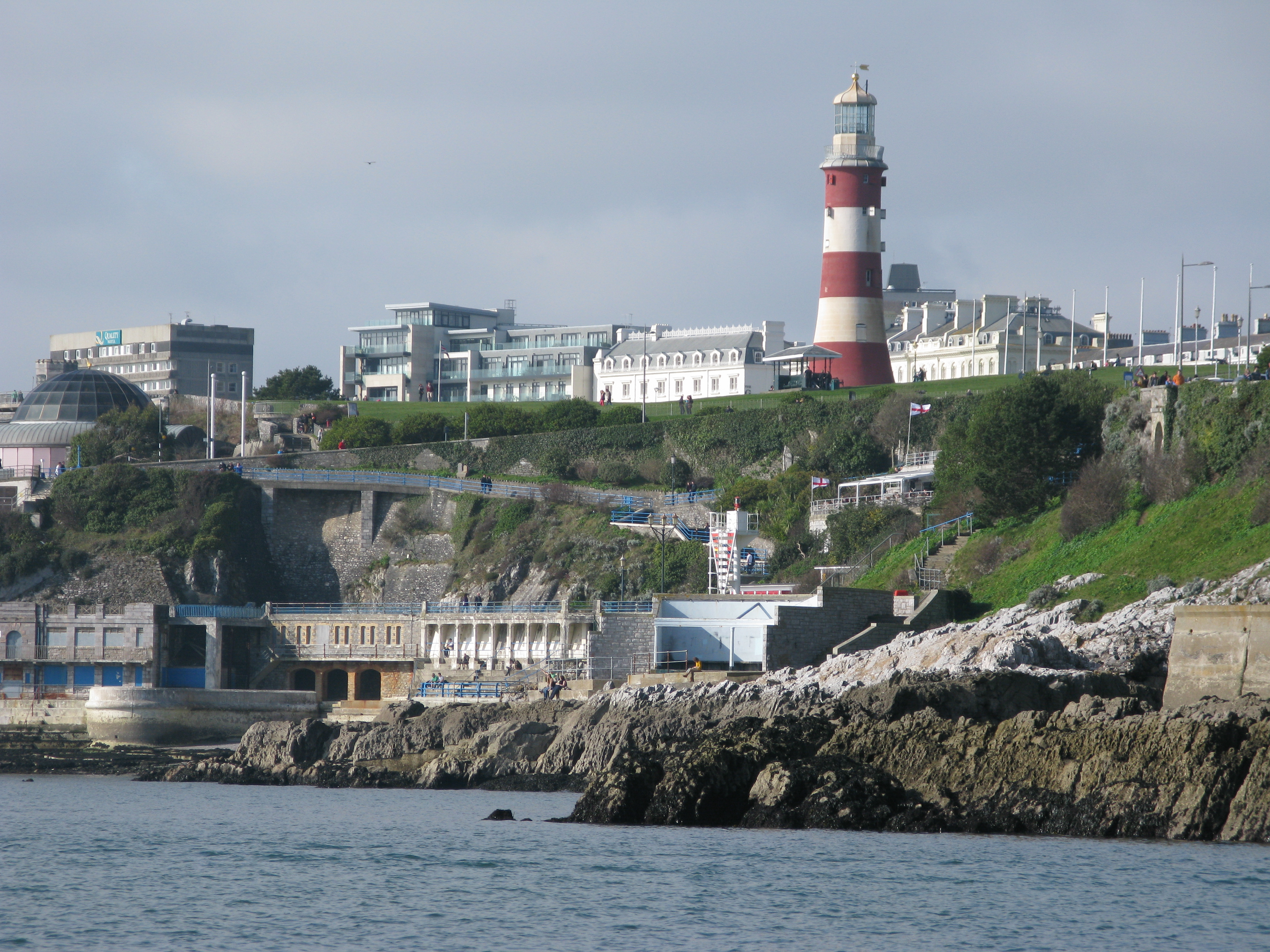
Plymouth was looking . . . well, iconic. 

Image

Image

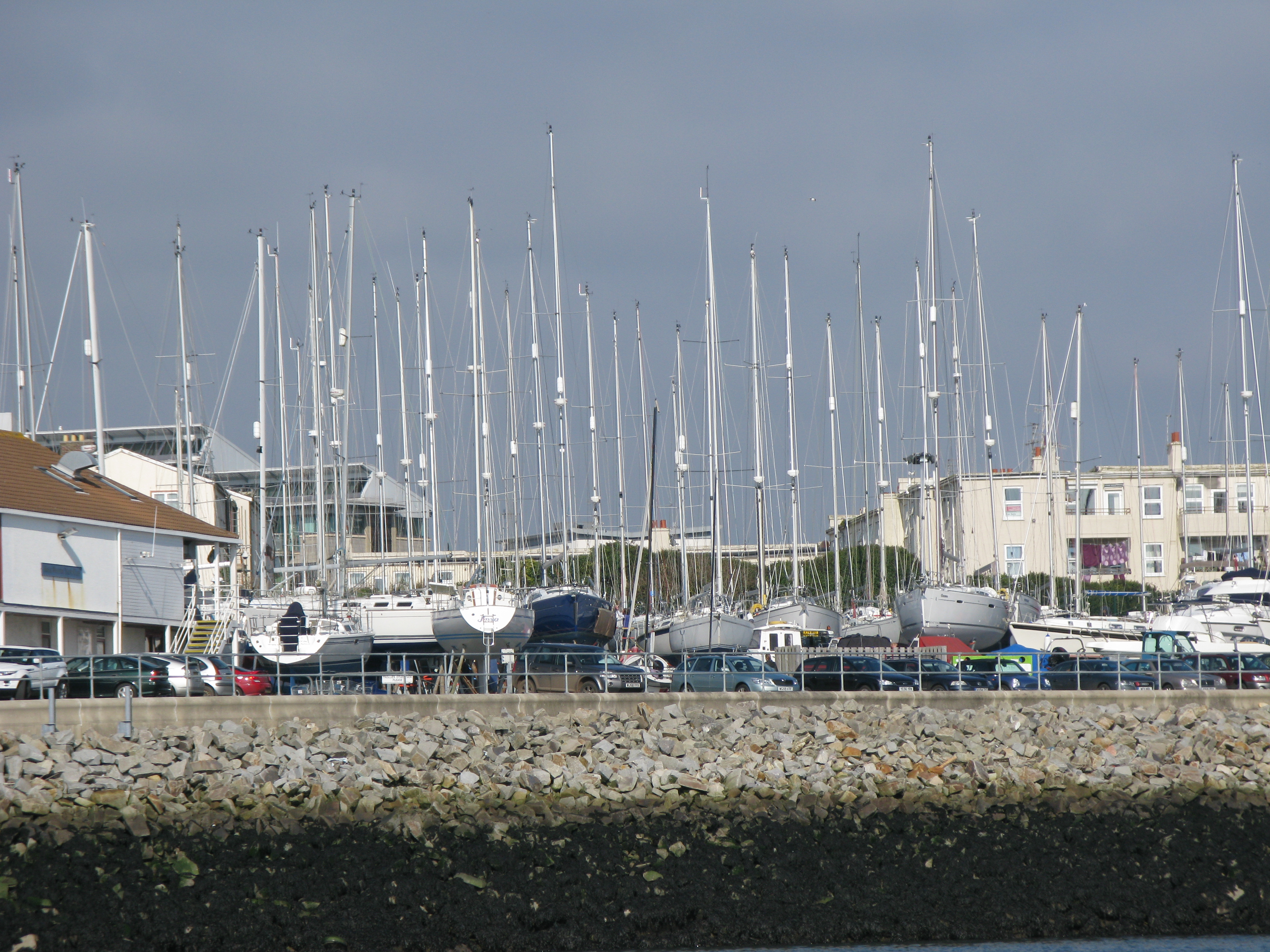
The yachts were stacked away.

Image

Image

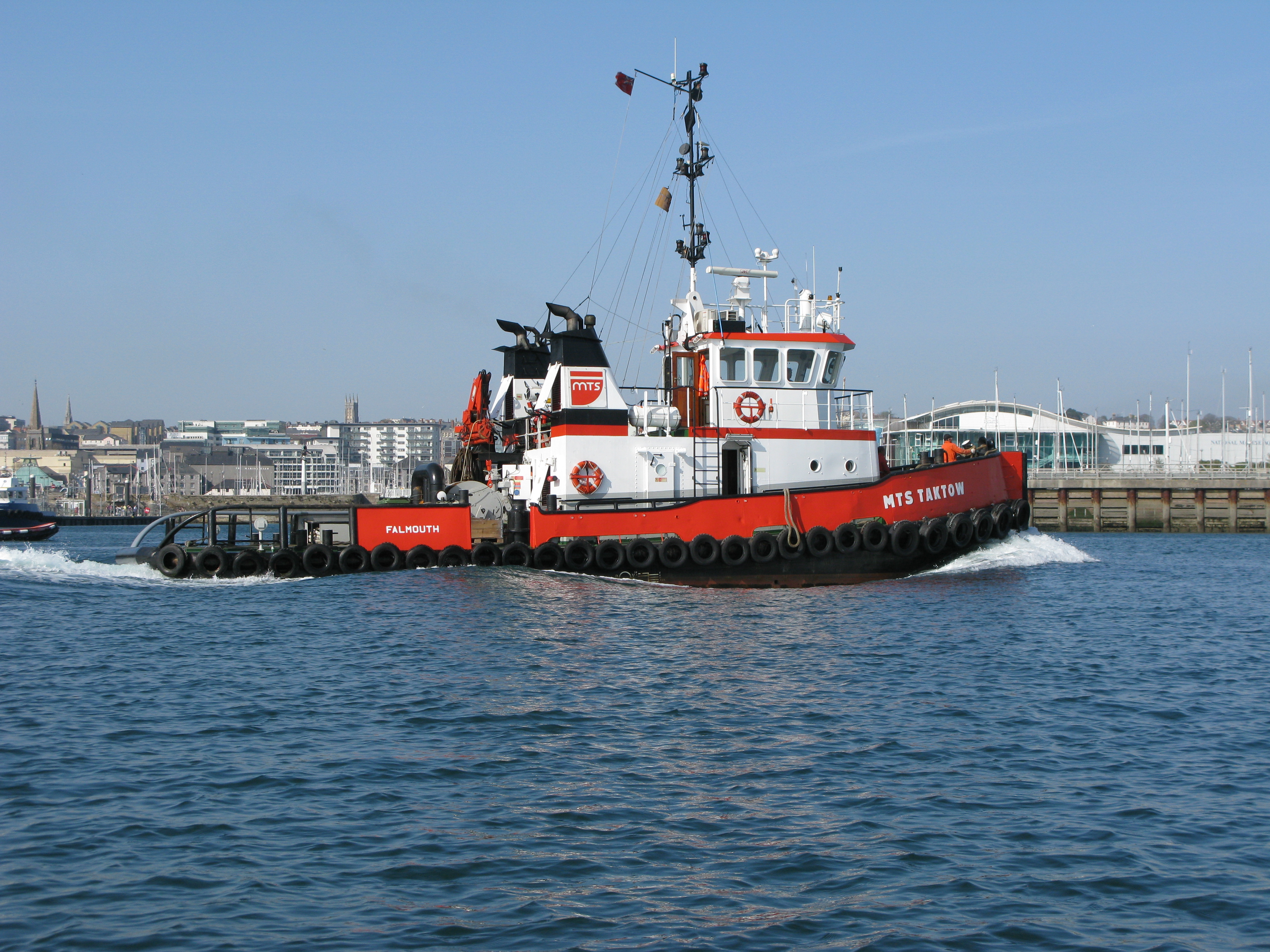
The identically liveried Bro Gemini and Luhnau – the one empty, the other loaded, lay quietly against the wharf.

Image

Image

Not a lot happening – but great to be alive and on the water.

Short Story

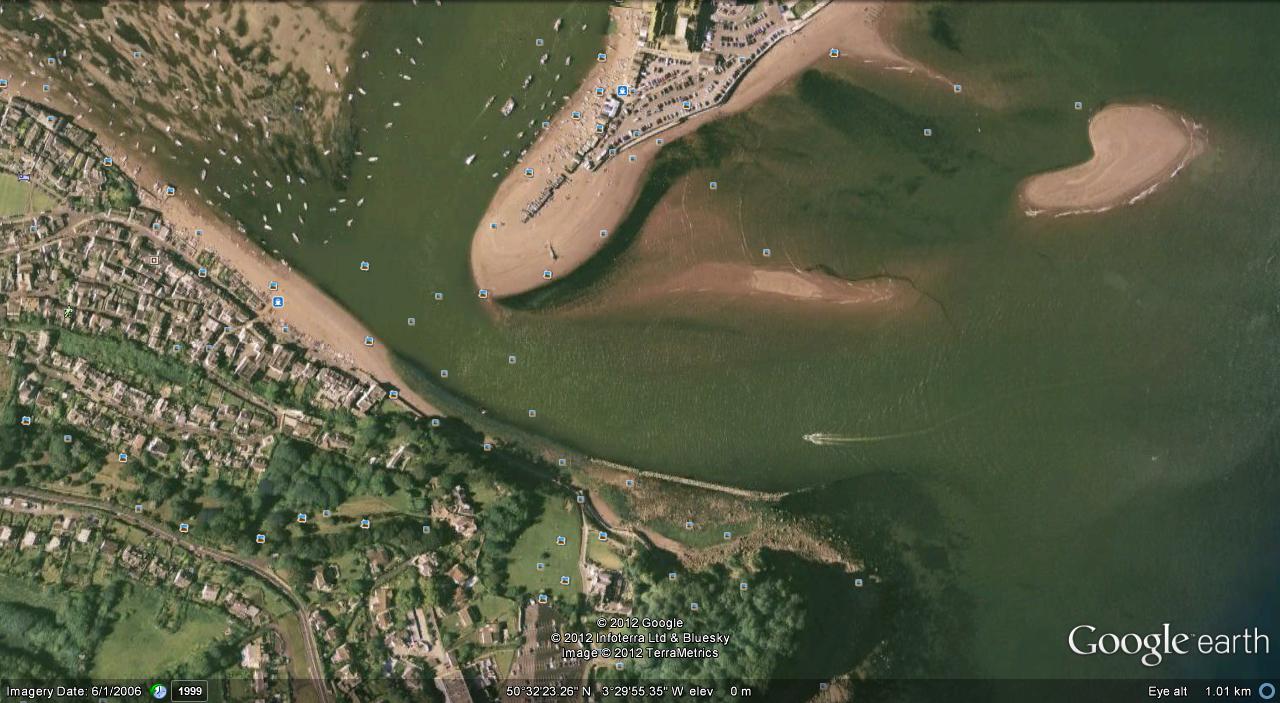
Google captured Teignmouth entrance at low spring tide. At high tide the  sand bars are covered. Teignmouth is a working port. Several ships a week safely navigate this channel.

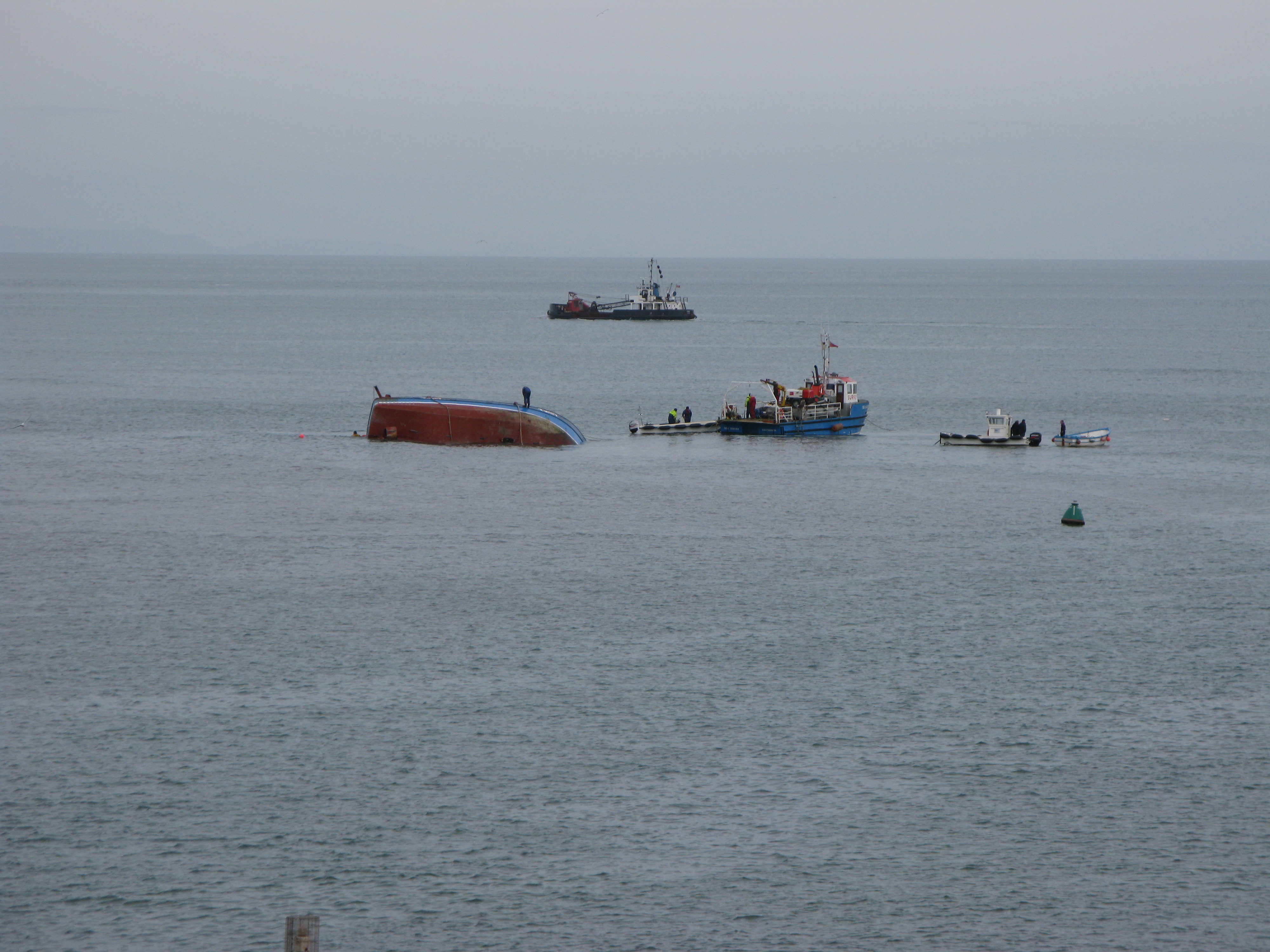
On 30th January, a large wave picked up the Girl Rona, a local trawler and dropped her onto the sandbank to the north of the channel. The fishing boat capsized and the five crewmen took to the water, to be rescued within half an hour by the local lifeboat. The wind was easterly and strong and remained so for the next three or four days.

The picture below was taken on 4th February. The main hatch had been opened and the catch had floated free,  to be consumed by thousands of seagulls – to the relief of the local council

The sand is constantly moving as river meets sea and the channel is continually dredged for shipping to enter and leave the port. The longer the boat lies there, the more the sand will build up around her and fill her hold.

At the first opportunity, a salvage operation must get under way.

Sunday, 5th February, the gear has been unloaded and fuel pumped out.

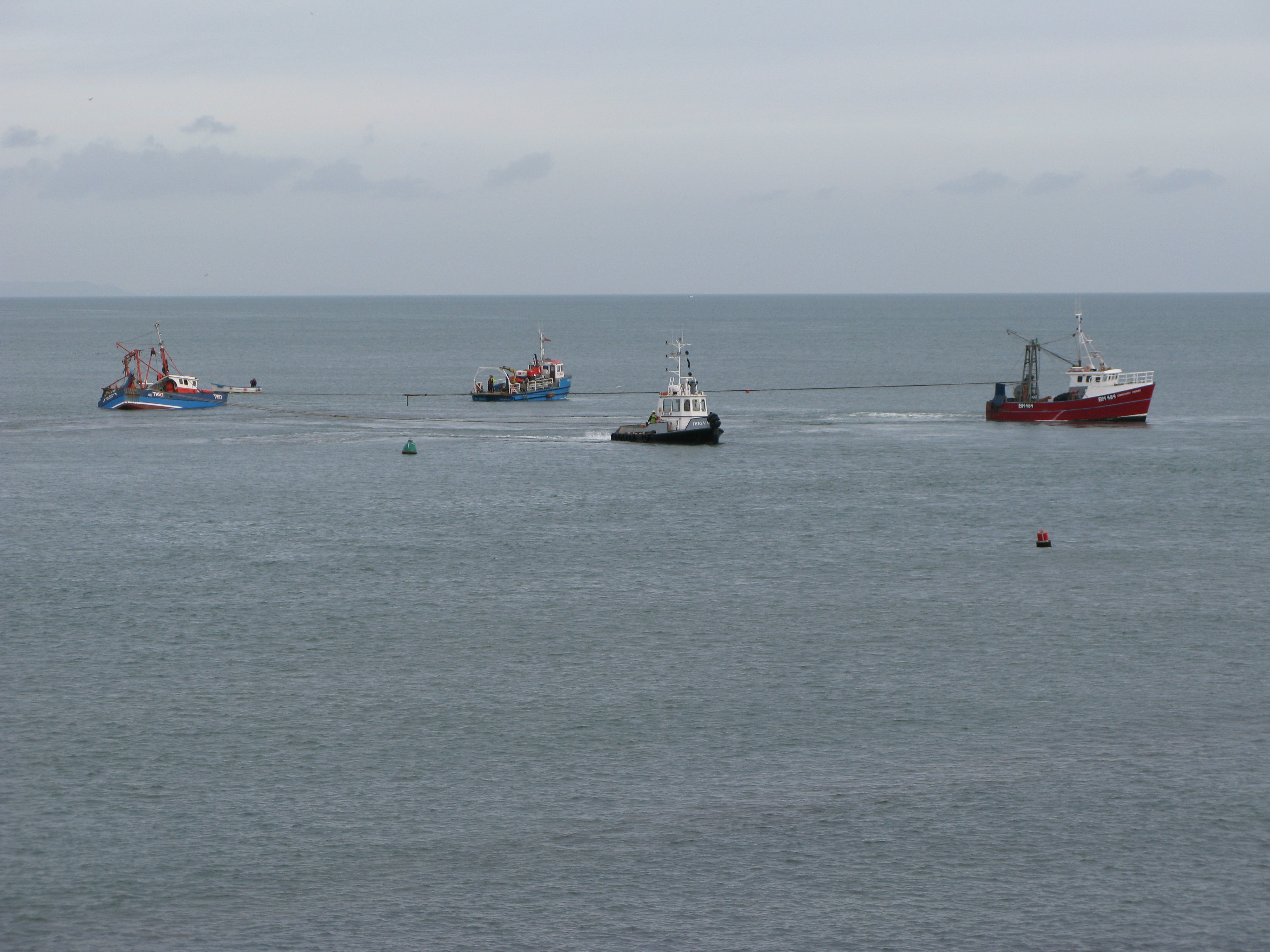
Lines were attached . . .

. . . and tested

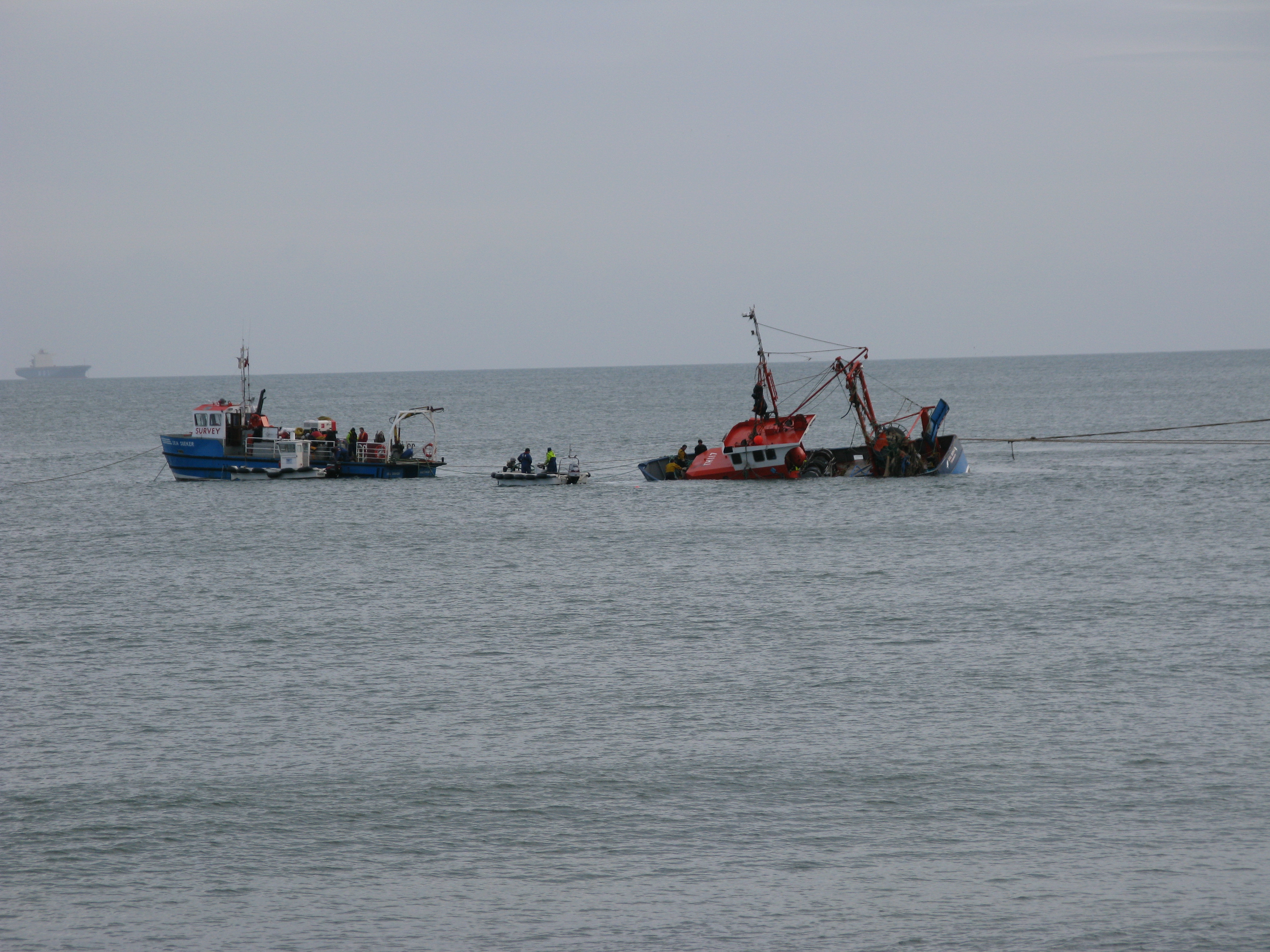
The strain is taken and the boat begins to upright.

There is much discussion. Several hundred ‘experts’ watching from the shore all know how to do this better.

The afternoon wears on.  The salvage boats are in the channel. It would seem that the sand has built up between them and the trawler.

As the late afternoon sun catches the pier. . .

. . . she begins to move . . . but rolls over again.

By now the tide has ebbed and the operation is finished for the night.

The boat was finally freed the following night, “floating and stable at 0300 and back in harbour at 0430 on Tuesday morning.”.

This afternoon, there were five men on board . . . working hard. For them the story continues.