A voyage of my own

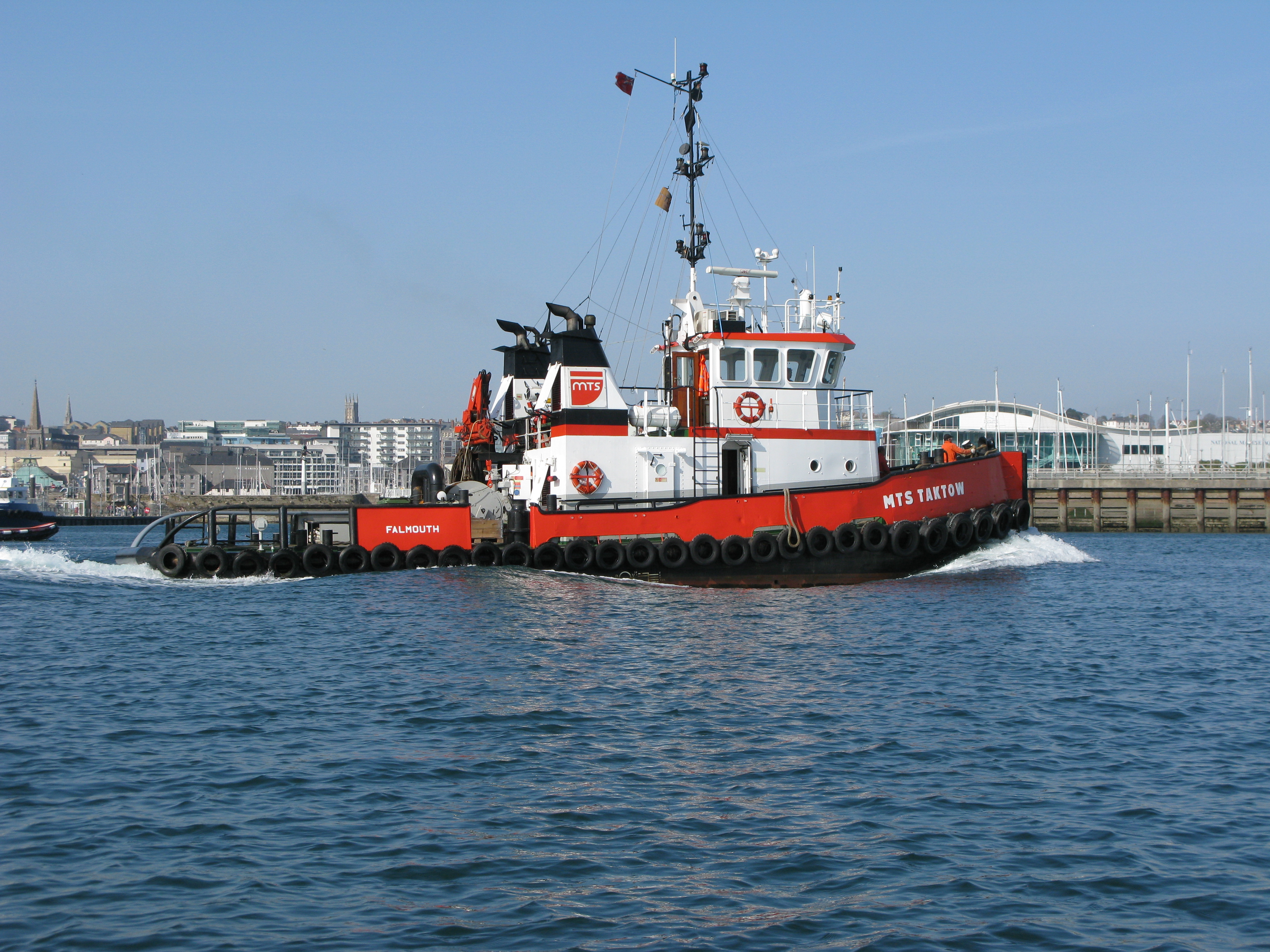
It has taken a while to get used to people saying “What? By yourself?” as in “I took the boat down to Falmouth and returned to Plymouth via Fowey? It was a quick three-day trip.” “What? By yourself?”

How do you explain it? To the uninitiated it invites the disapproval of

  • the safety industry – “the tiny crew”;
  • the health industry – “the older man on his own”;
  • the social industry – “all alone”;
  • the professionals – “a rank amateur”;
  • the bigger boats – “a smaller boat”;

Despite all of them I succeeded – as do many, many others in far more challenging circumstances.

It has taken many years sailing to be able to say with confidence “I do it like this. I know it is possible to do it like that but I have chosen to do it like this. Yes, the most knowledgeable of intellectuals, the most graceful of athletes, the most creative of artists, the grandest of grandees, they all know better than me. But not quite. Individually they know certain areas of my life better than me and combined they know many areas of my life better than me but the whole of my life belongs to me and I choose to live it like this. I will listen to them but I will make up my own mind whether it is useful for me or not. There’s no side to it, no competition, I respect their point of view but I am taking responsibility for me so I can give back what I learn as I go along.”

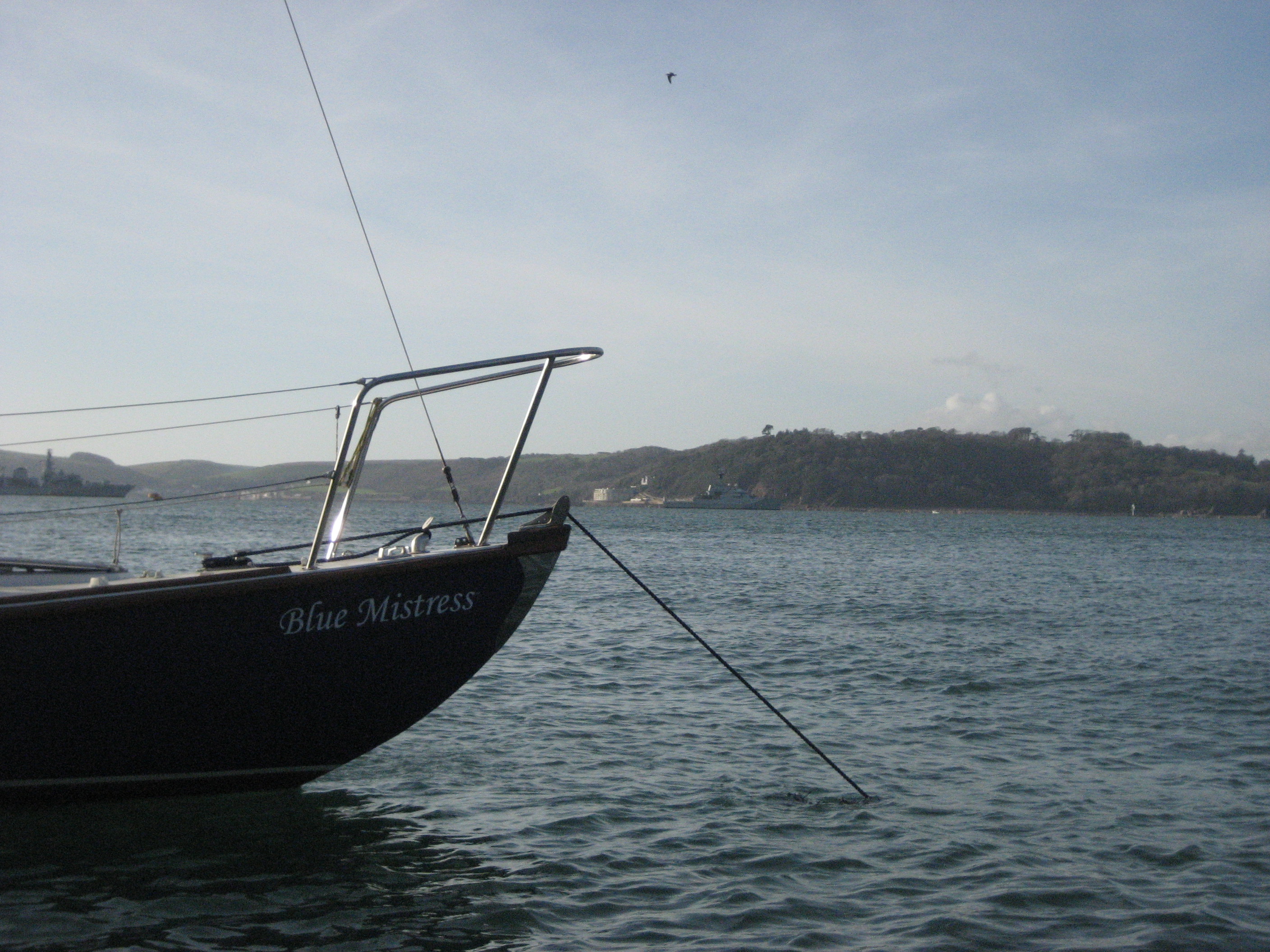
Time and money – (not enough of either), have meant that it has taken not months but years to bring Blue Mistress to her current standard – a standard that makes me comfortable in taking trips along the South Devon and South Cornwall coastline.

‘Single-handed’ means thinking things through long before they are needed. The layout of the boat, its contents and every maneuver that may or may not be made has been gone through in your head, maybe on paper, certainly on a computer, and books and videos and charts and tables studied, with the intention that all this be absorbed into experience.

Even then mistakes will be made – some of them very memorable with solutions needed in a breath-taking hurry, but mostly things will go right. Very few of the latter are memorable because what is going on outside the boat is as interesting as what is going on inside. Have you ever seen a coastline from the sea? The Devon and Cornish coasts are particularly stunning. (And, yes, there are plenty of other stunning coastlines too).

I like aloneness but enjoy company. A week ago we took my London-based, four-year-old grandson for his first trip. Enthusiasm on all sides. What’s not to like?

And every trip, every voyage is different.

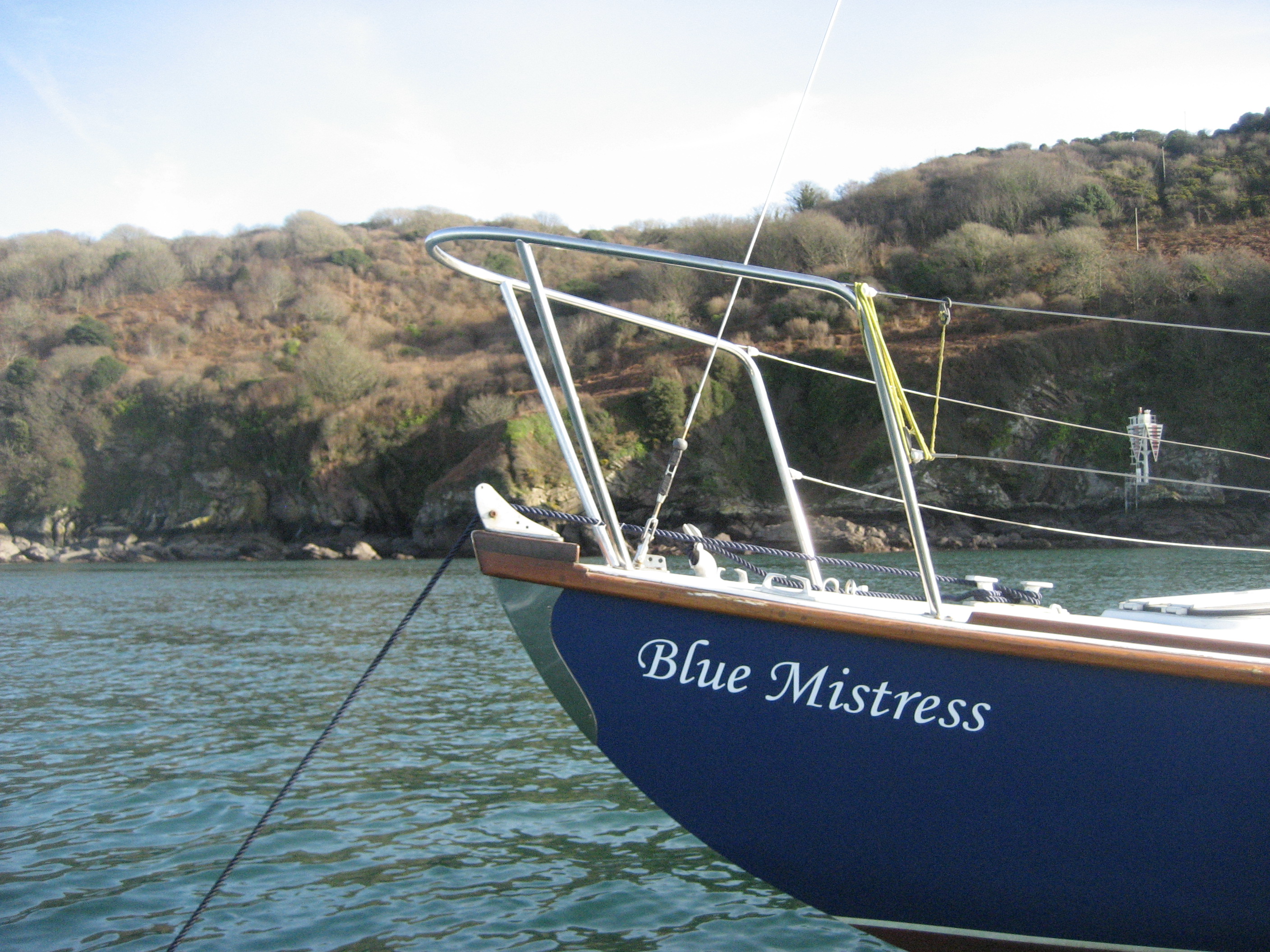
I took few photos on the Falmouth trip but I will make a short storyboard next post. In the meantime, here is Blue Mistress in Fowey on the last day of September 2014 with the morning mist rising. As I say, what’s not to like?

Blue Mistress, Fowey

(Image taken by Bill Whateley)

(to be continued . . .)

An elderly pencil

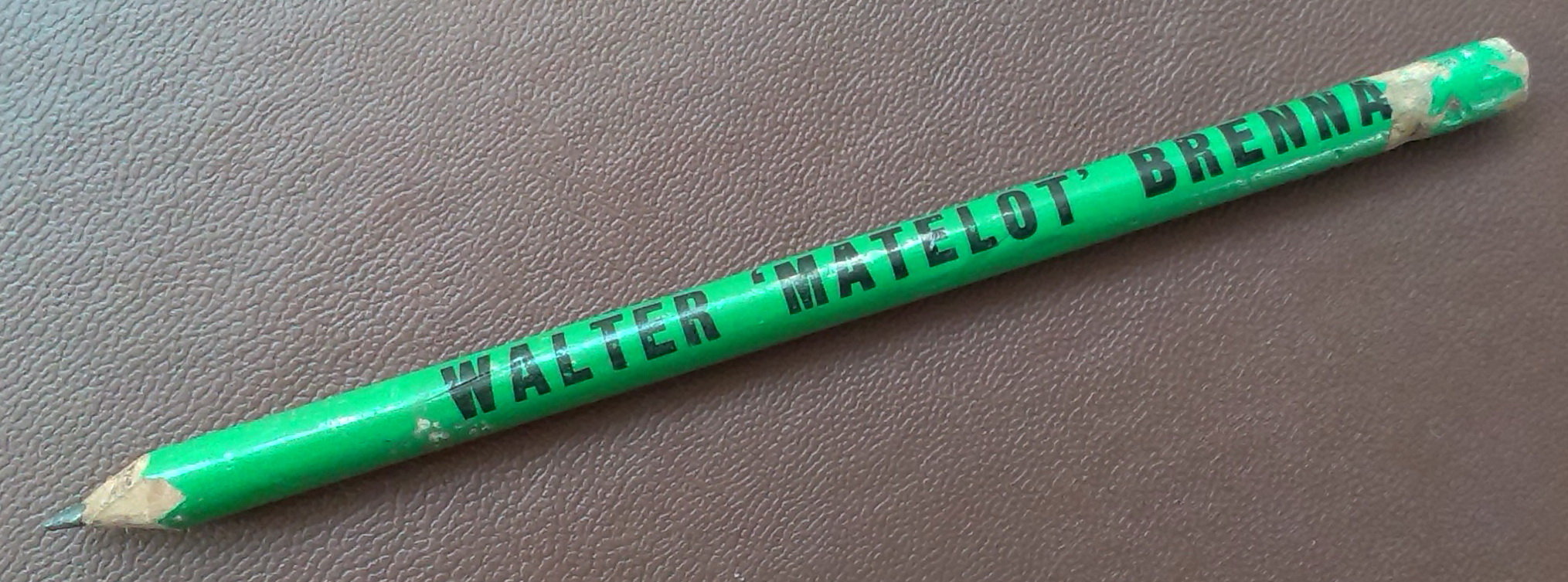
We have had the decorators in and everything but everything has been boxed up. The job has been so long that all our cardboard boxes are now hidden wells of discovery,  Looking through one such box. I found this pencil.

IMAG0261a

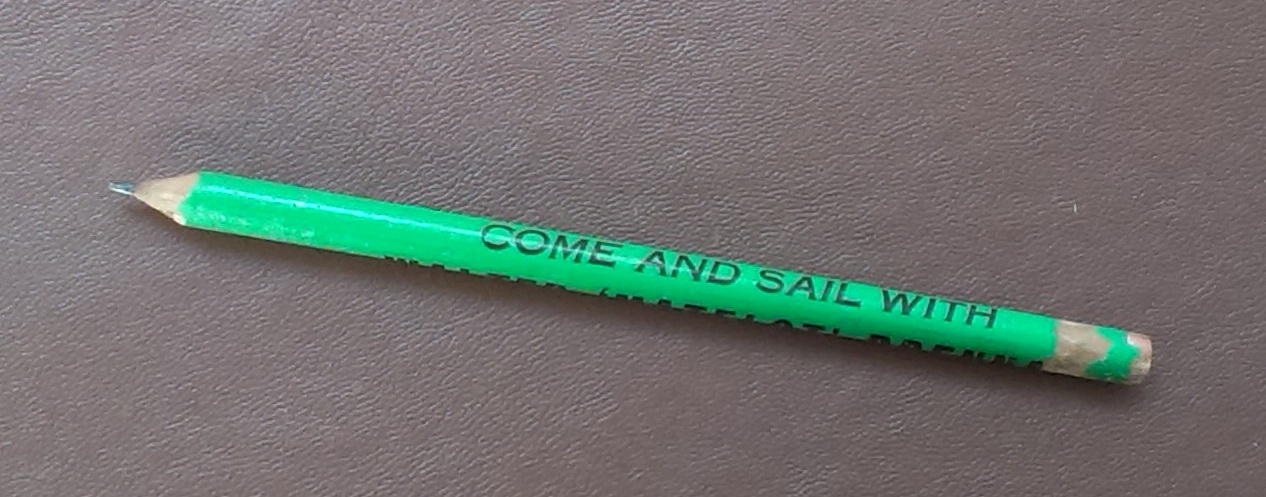
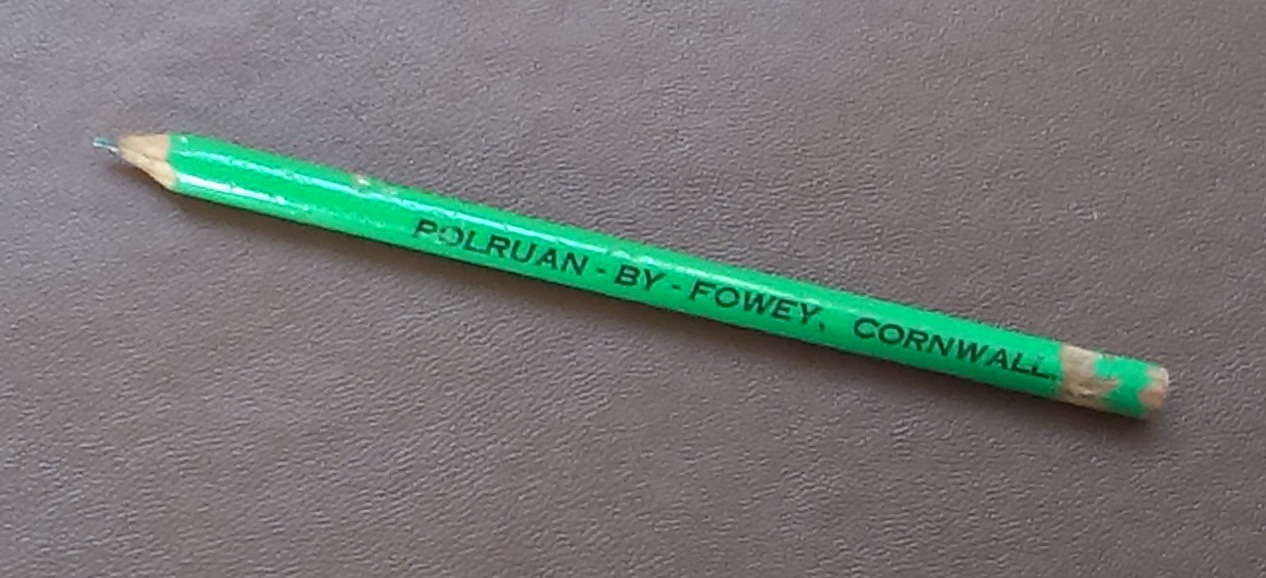
Walter Brennan taught me to sail. I was 13 or 14 at the time – so the pencil is a little over 50 years old.

It was inexpensive – free, in fact, because he gave them away. It hasn’t been used constantly but it has survived over the years where a number of expensive and increasingly sophisticated computers have not. And whereas those computers became obsolete, this piece of kit will still do what it was designed to do – act as a printer for whatever is going on in my head.

2013-11-08 15.34.56a

Obviously it is ancient hardware and I don’t offer it as an alternative to a computer – (certainly not with my brain!), but as a design that stands the test of time.

Having found it again, I am able to use it instantly – no recharging,  no cables, no wireless router, no waiting for startup, no searching for software and apps, no need to update.  It is portable and versatile. So is my mobile phone – but I guarantee my pencil will outlive my mobile too. (And I can’t chew the end of my mobile).

On the boat, I have three versions of gps – plus a clutch of 2B pencils.

If you’re younger than thirty you possibly don’t care. That’s ok. But at the weekend I watched my three year-old grandson climb the stairs while watching a television programme on the iPad he was holding. He had found the app and opened the programme himself. I don’t suppose he will be impressed if I leave him my pencil in my will. However, my pencil will last longer than his iPad.

2013-11-08 15.34.45a

Perhaps the pencil will be the shape of computers to come.

Who knew they would reduce a computer to look like a large postcard?

Who knew a smart phone would become the size of a small chocolate bar?

All power to the pencil.

Two yachts, wind, tide . . . and a garden.

“Kissing will go out of fashion when the gorse ceases to bloom.”

No chance – the gorse is still looking good.

We have worked all morning and need to walk away from it. The coast path is the obvious choice – a stretch between Brixham and Dartmouth the easiest to reach. As we descend to Scabbacombe Head, a cold wind blows from north of west, sunshine intermittent.

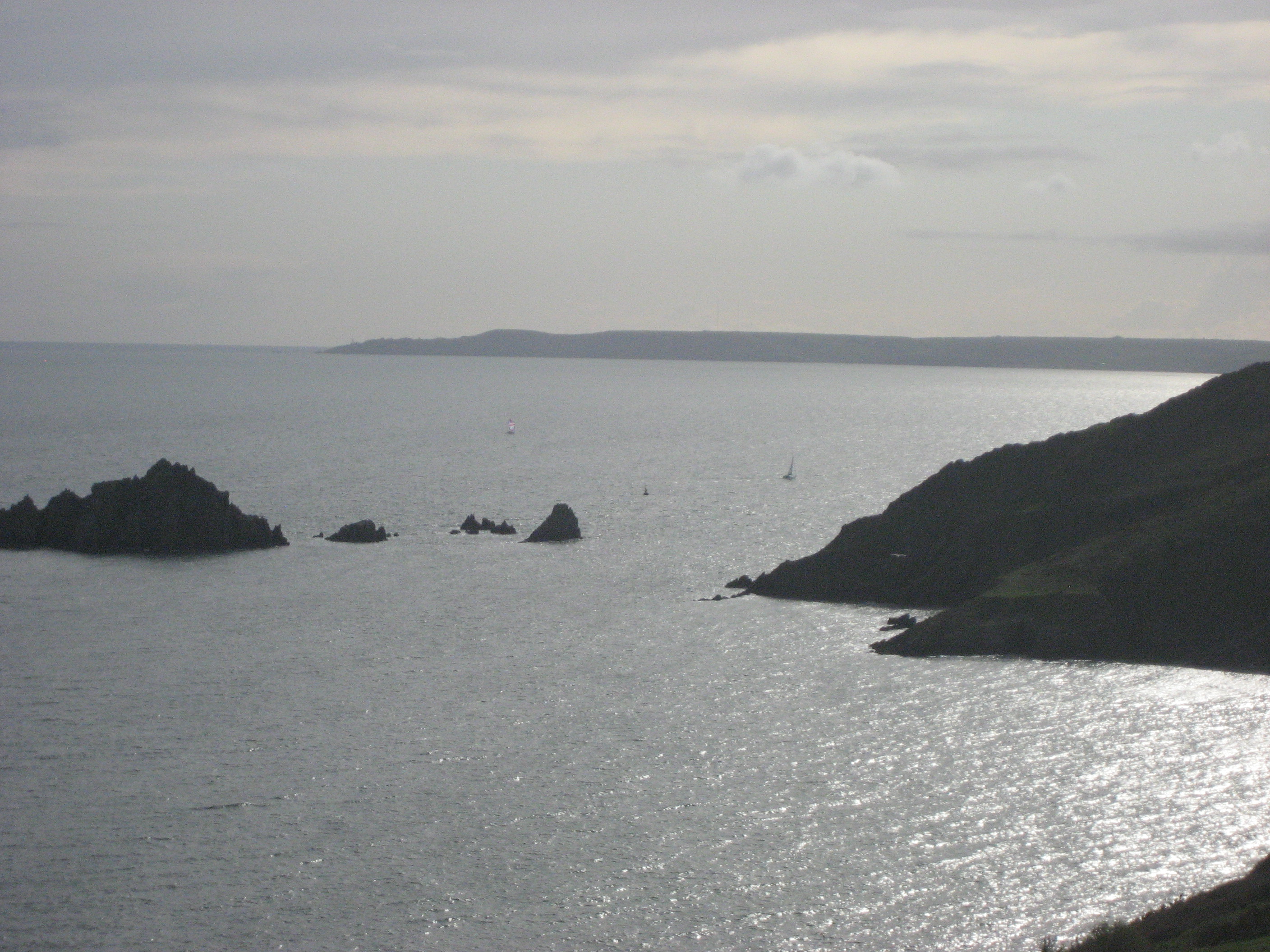
We watch a  sloop-rigged yacht working its way up from the south towards Dartmouth. As she closes the shore, the combination of  wind and tide is taking her too far to the east of the Mew Stone – by at least a half mile. She tacks and it is immediately obvious that the strength of the tide and the direction of the wind will make the offshore tack even less beneficial. The genoa is furled, she comes about again, motoring strongly under mainsail alone.

Twenty minutes later she rounds the Mew Stone (on the left of the picture below) and lowers the mainsail in the later afternoon light. At the same time, she is joined by another yacht that completes a fast spinnaker run – with the benefit of a favourable wind and tide. She has sailed from Start Point in the background, keeping to the south of  the Skerries bank, which stretches for three miles this side of Start, parallel with her course across the bay.

Start Point is on one the great south coast headlands that the sailing ships marked as they came up-Channel –  Lizard, Start (Point), Portland (Bill) and (the Isle of) Wight, before heading through the Straights of Dover and on to the Thames Estuary or the North Sea and Baltic ports. Now, thanks to the the Traffic Separation Scheme in the Channel, it is the down-Channel traffic that marks the headlands – but, given modern navigation aids, they do so more often out of interest than necessity.

The yachts head or home, we meet two walkers keen to make the pub in Kingswear before evening, and then we drop down into one of those folds of this coastline that has generated a micro-climate of its own, a complete contrast to the scenery of a few minutes before.

This is the Coleton Fishacre garden – a tiny valley throbbing with pent-up energy – plants ready to burst into spring.

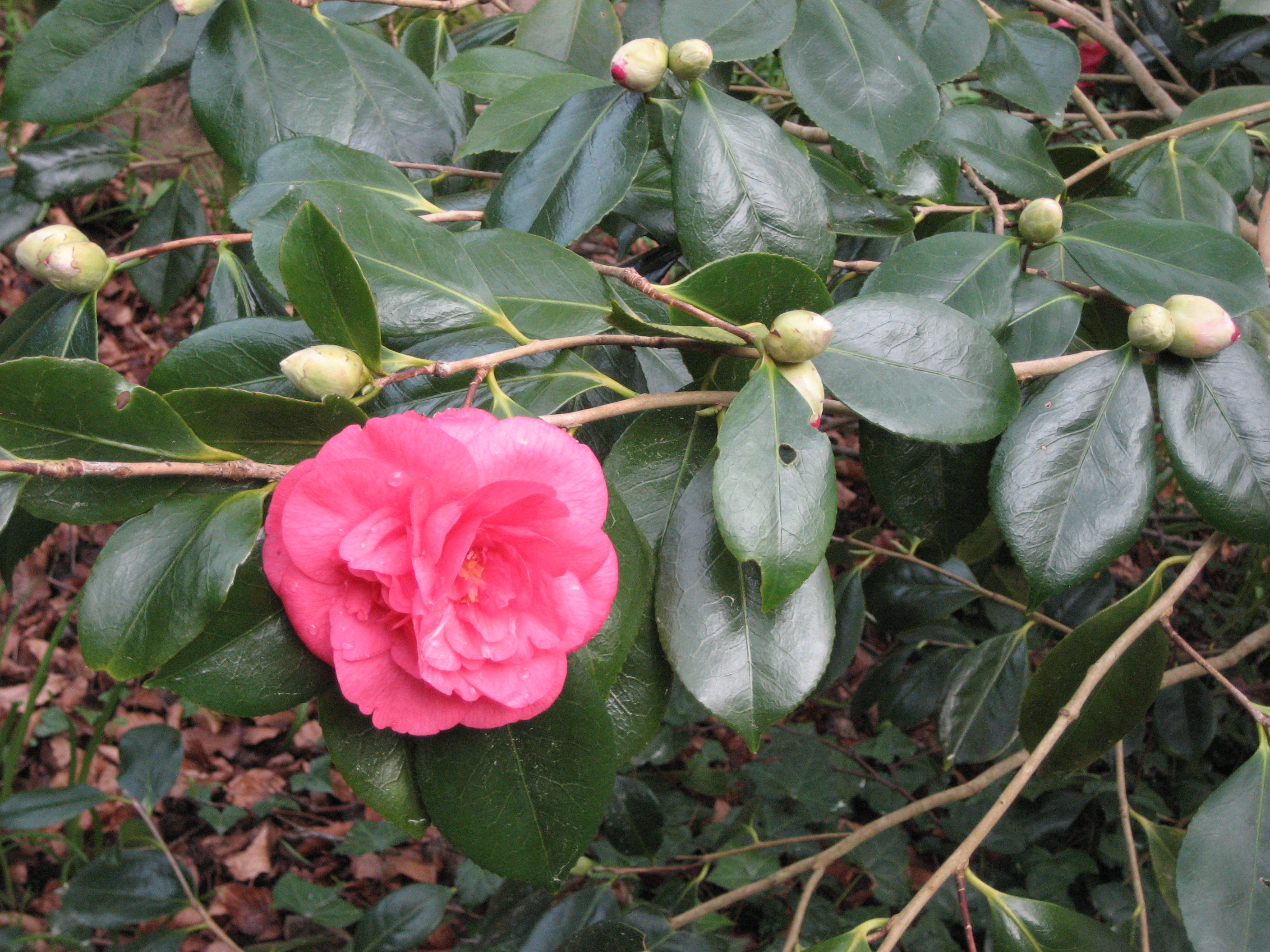
The camellias are coming into flower . . .

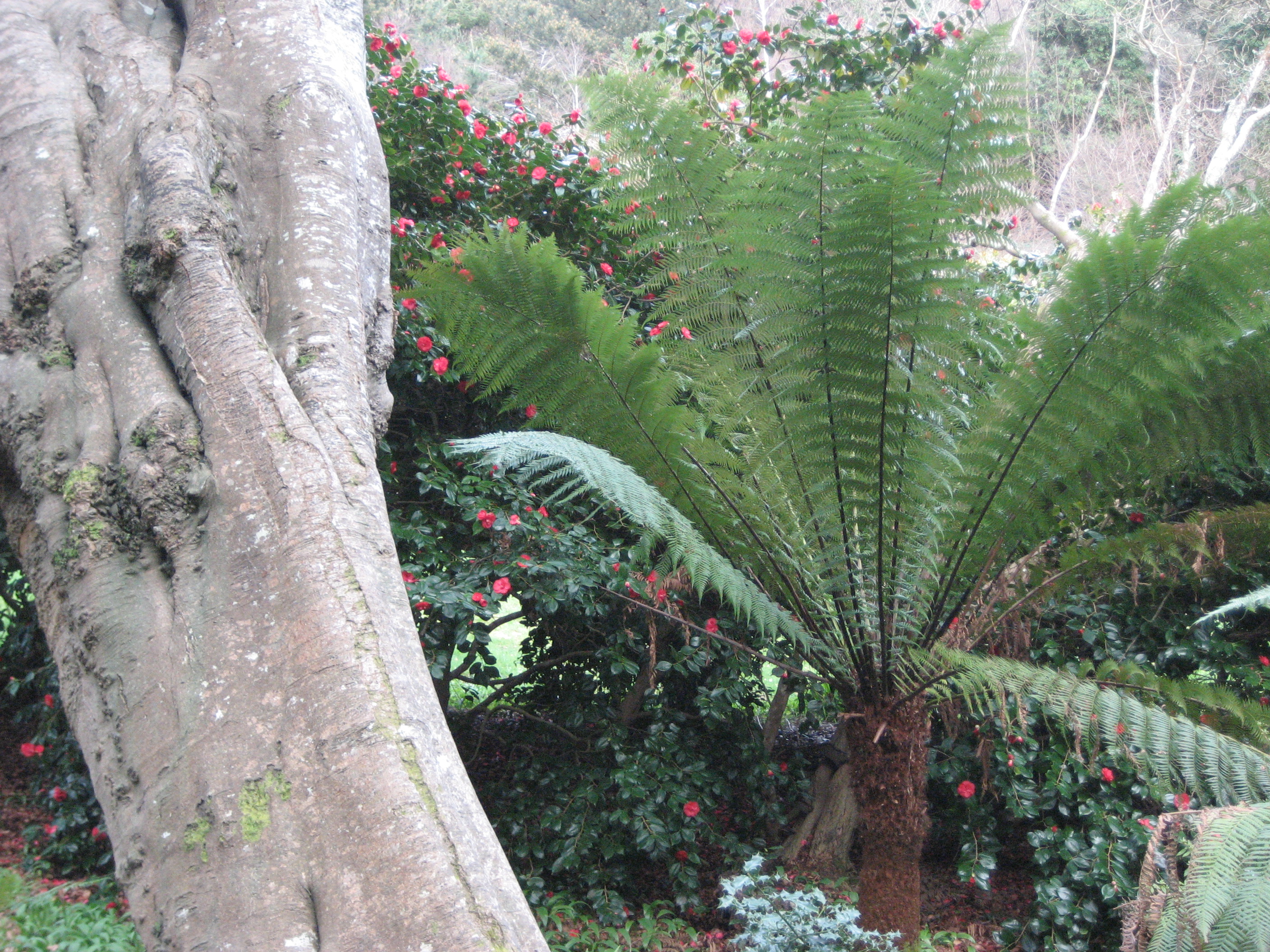
. . . and the tree ferns are splendid.

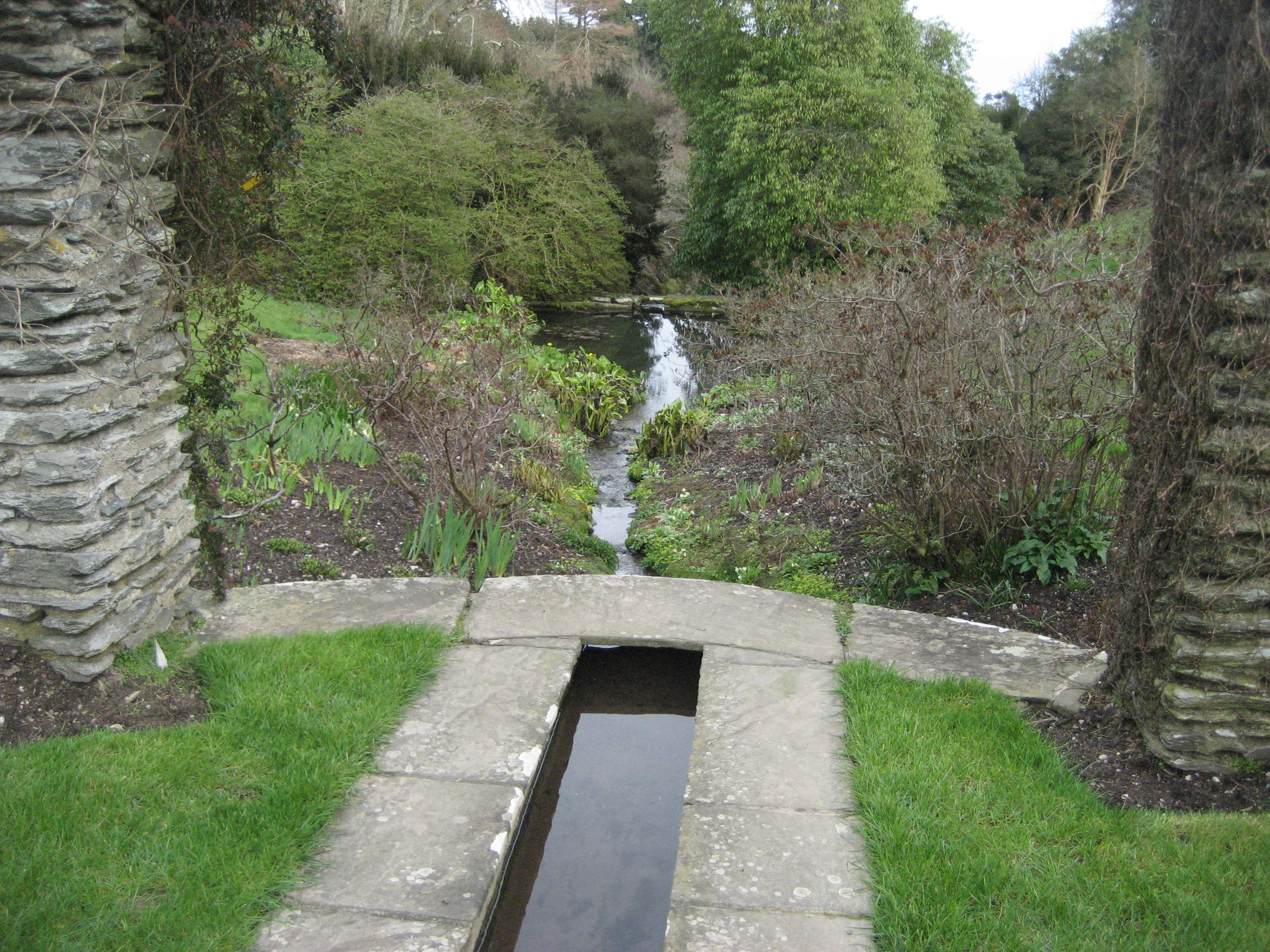
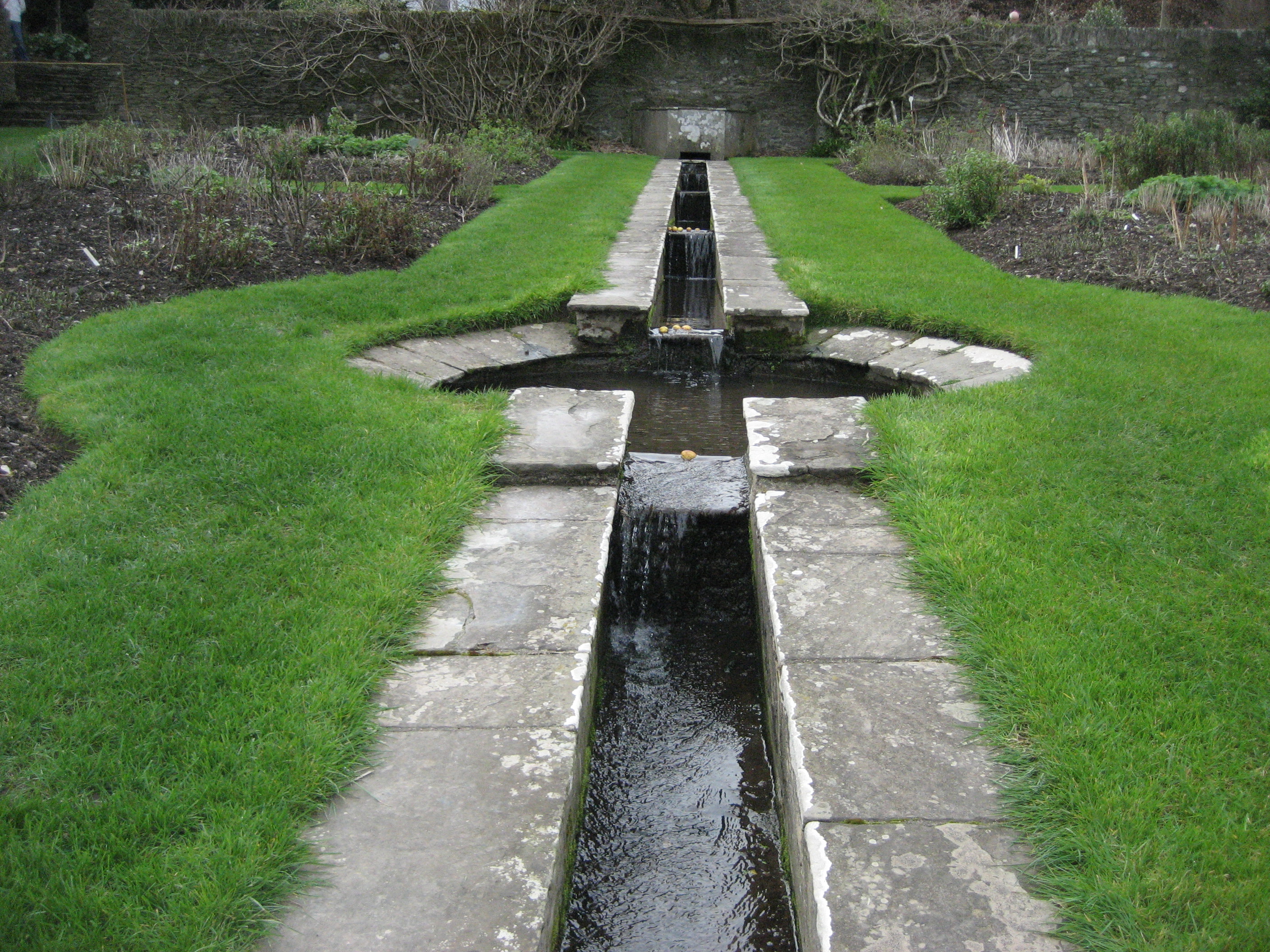
The steep climb takes us level with the house and the stunning rill.

But we have visited before and walk on – intent on a cream tea before the final 3/4 mile climb back to the car. As we drive home, we remember the two yachts that should now be berthed safely in their Dartmouth marina. Only one of us wishes he had been on board!

Short Story

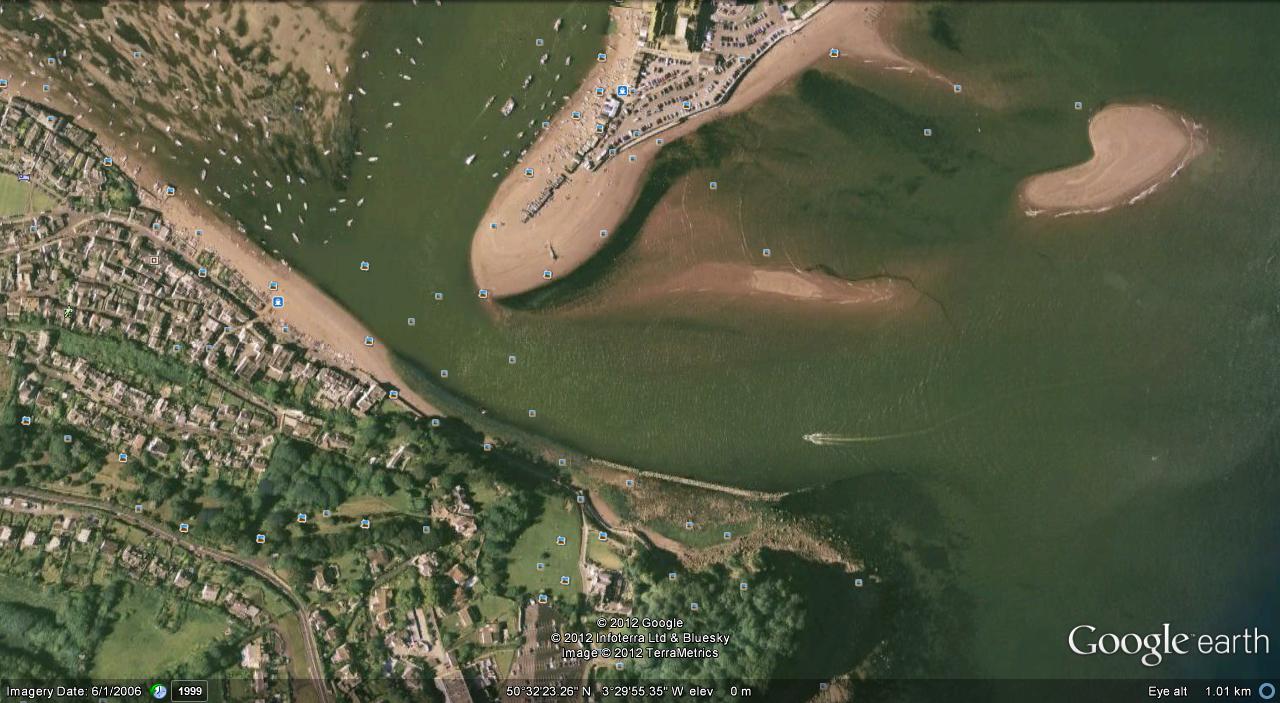
Google captured Teignmouth entrance at low spring tide. At high tide the  sand bars are covered. Teignmouth is a working port. Several ships a week safely navigate this channel.

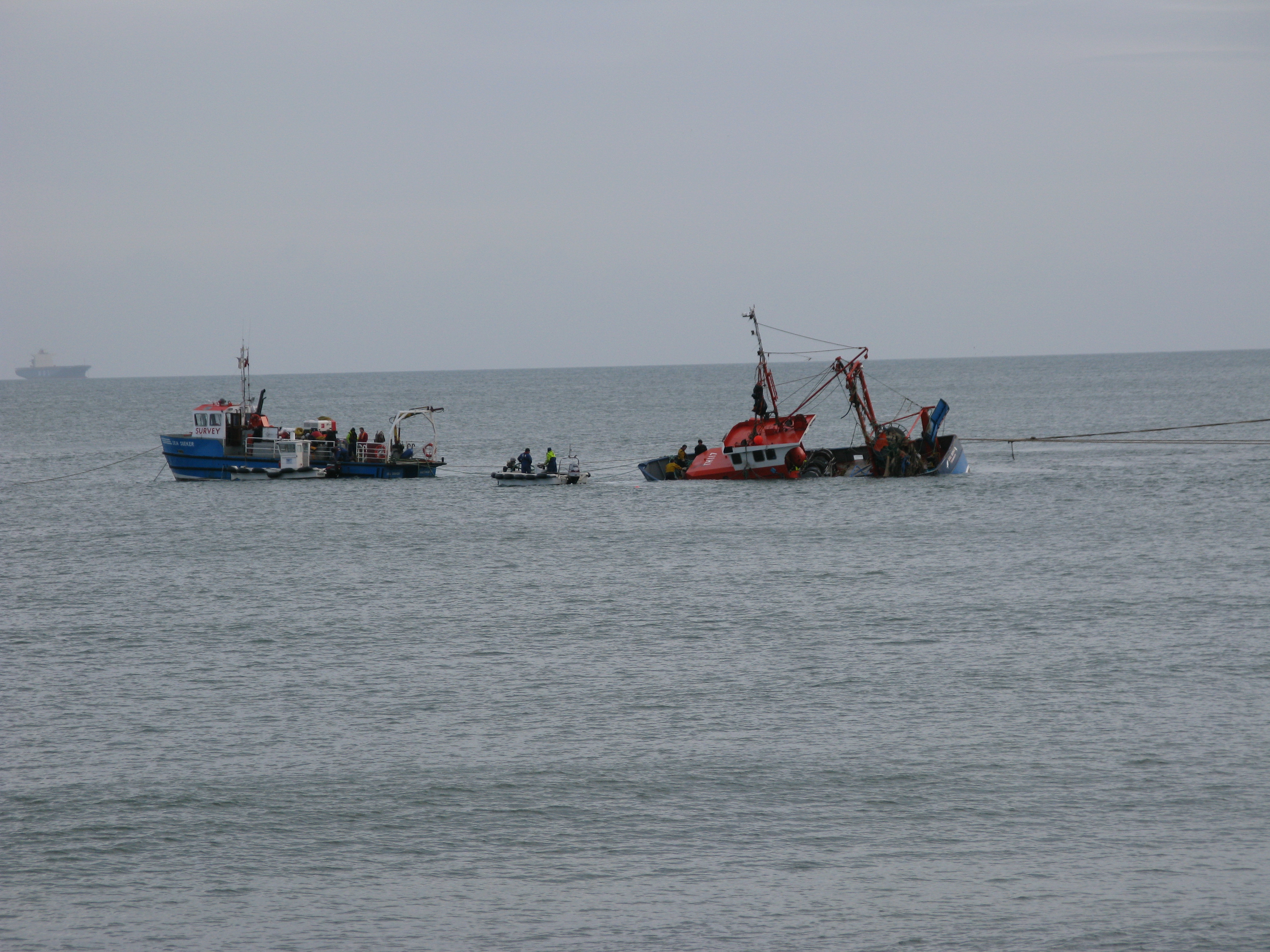
On 30th January, a large wave picked up the Girl Rona, a local trawler and dropped her onto the sandbank to the north of the channel. The fishing boat capsized and the five crewmen took to the water, to be rescued within half an hour by the local lifeboat. The wind was easterly and strong and remained so for the next three or four days.

The picture below was taken on 4th February. The main hatch had been opened and the catch had floated free,  to be consumed by thousands of seagulls – to the relief of the local council

The sand is constantly moving as river meets sea and the channel is continually dredged for shipping to enter and leave the port. The longer the boat lies there, the more the sand will build up around her and fill her hold.

At the first opportunity, a salvage operation must get under way.

Sunday, 5th February, the gear has been unloaded and fuel pumped out.

Lines were attached . . .

. . . and tested

The strain is taken and the boat begins to upright.

There is much discussion. Several hundred ‘experts’ watching from the shore all know how to do this better.

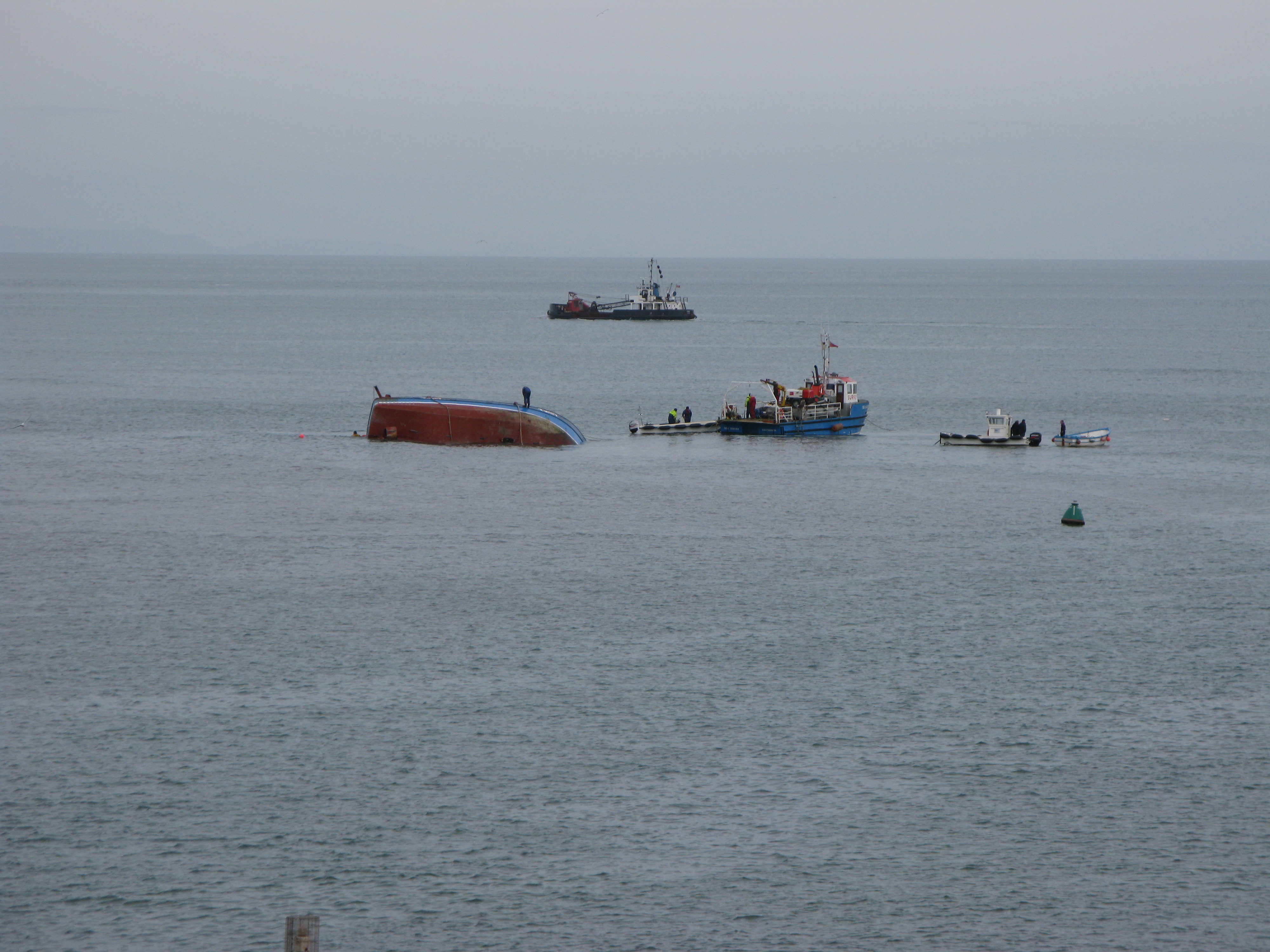
The afternoon wears on.  The salvage boats are in the channel. It would seem that the sand has built up between them and the trawler.

As the late afternoon sun catches the pier. . .

. . . she begins to move . . . but rolls over again.

By now the tide has ebbed and the operation is finished for the night.

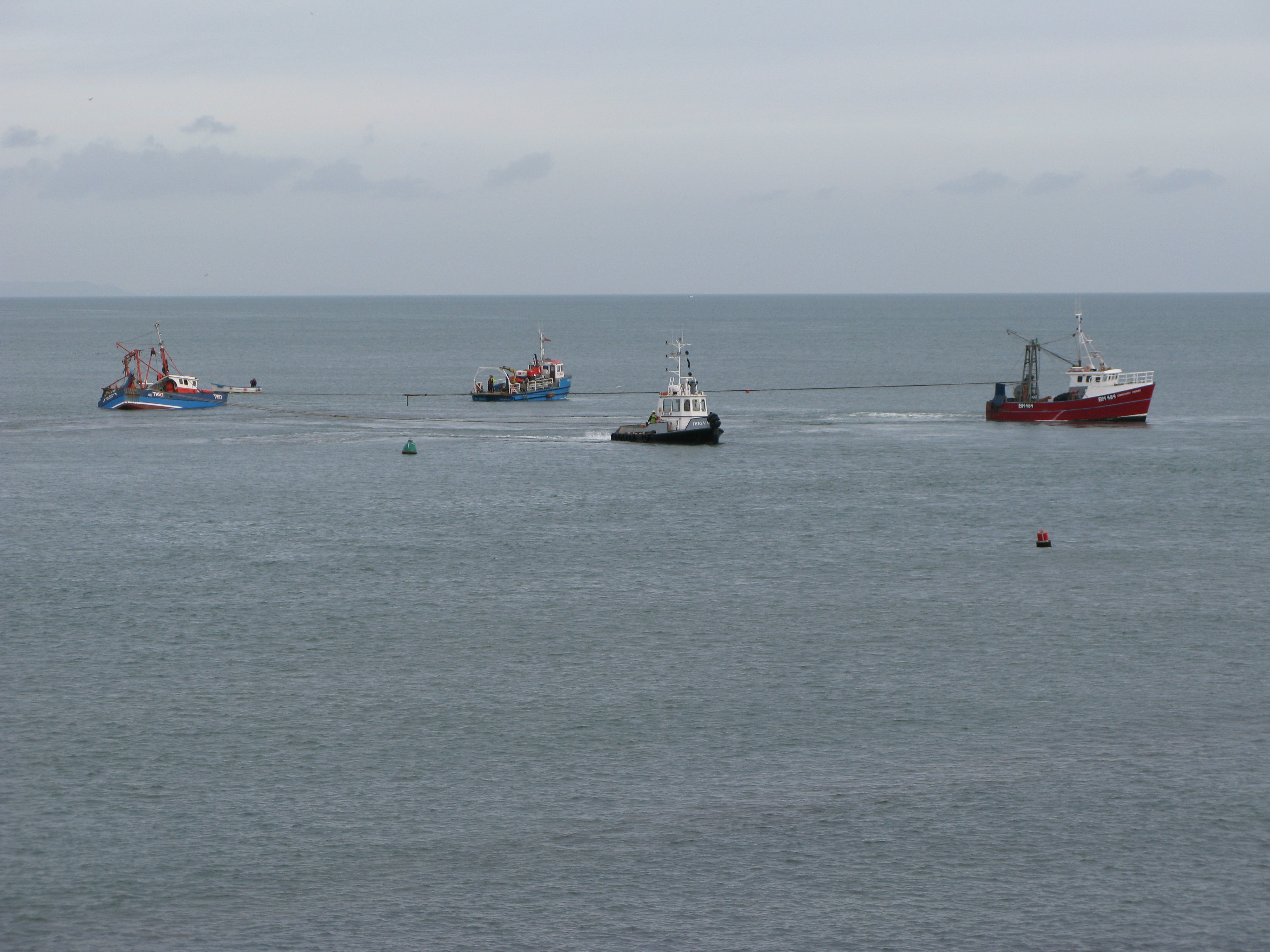
The boat was finally freed the following night, “floating and stable at 0300 and back in harbour at 0430 on Tuesday morning.”.

This afternoon, there were five men on board . . . working hard. For them the story continues.

An exhilarating blow today

Teignmouth (Approaches)
Sunday Jan 15, 2012 UT/GMT
▼  03:40 1.1m
▲  10:10 4.4m
▼  16:00 1.2m
▲  22:40 4.1m
50º33′.0N 3º29′.0W
Strong winds are forecast.
24 hour forecast
0600 UTC Sun 15 Jan – 0600 UTC Mon 16 Jan
Wind  Southeast 5 to 7, occasionally 4 later.
Sea state   Moderate or rough.
Weather     Occasional rain in far west, otherwise fair.
Visibility  Good, occasionally moderate.

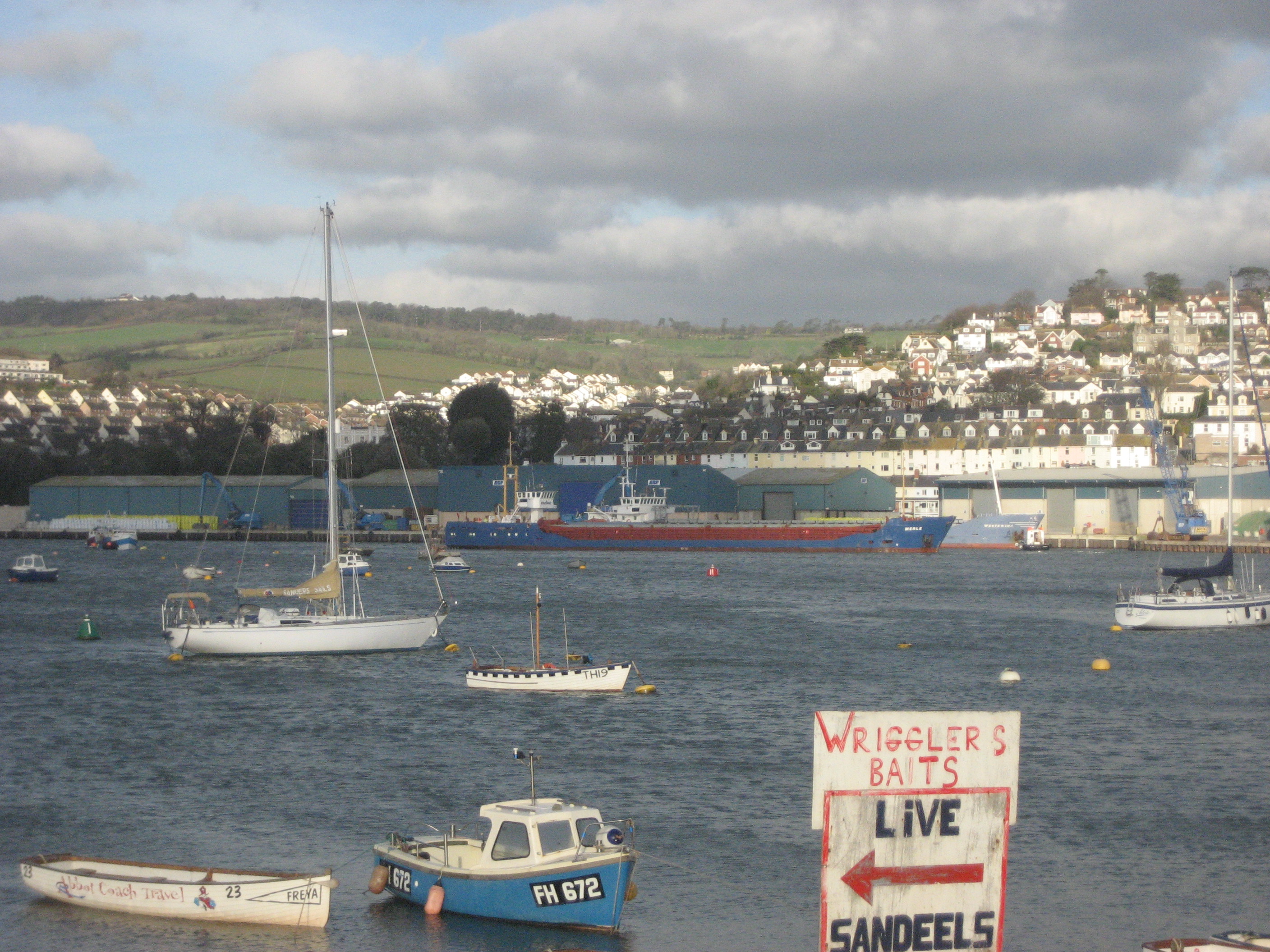
10:30  Merle approaching Teignmouth on the top of the tide . . .

Image

. . . an exhilarating ride through the entrance (missed it) . . .

Image

. . . ending in a tricky turn and stern-first into her berth.

Image

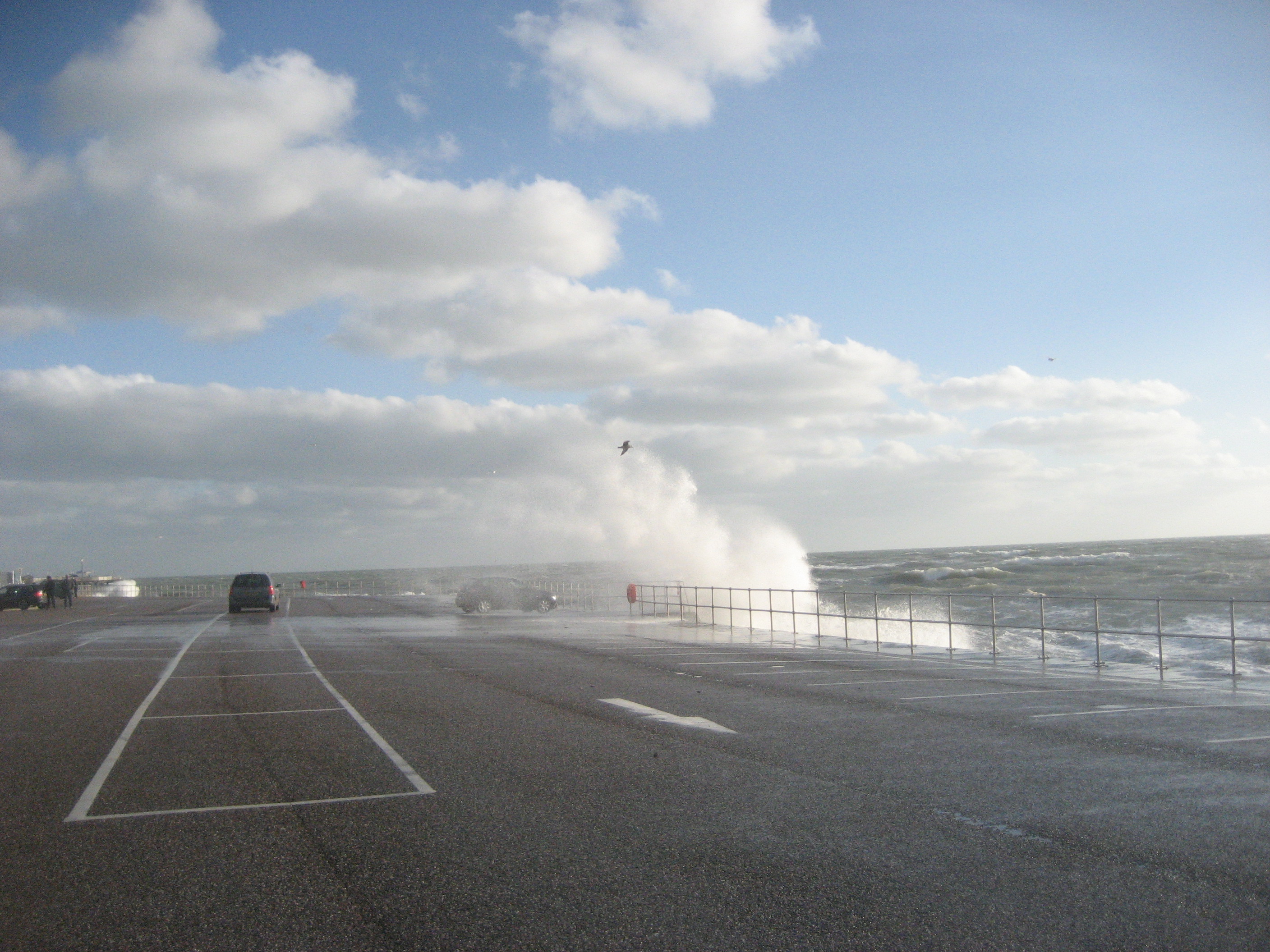
Can this be good for a car?

Image

Exmouth and the entrance to the Exe Estuary in the distance

Image

No takers for morning coffee

Image

No wind yesterday . . .

No wind yesterday but a fine day to run the engine.

I removed the sail cover and attached the halyard but left the lazy jacks in place as I didn’t expect to set the sail. As the Sound opened up it, it was almost empty – two vessels in sight, one trying to set a sail. A little later he had given up.

Image

It was also a perfect day to anchor and run out the rode. I dropped anchor around 1300 close to Jennycliff near the Withyhedge beacon.

Image

Then time for lunch, and, as I had bought the dinghy with me, time for some photography.

Image

There were three naval vessels at anchor. The village of Cawsand can be seen in the sunshine on the far side of Plymouth Sound – (just aft of the pulpit).

Image

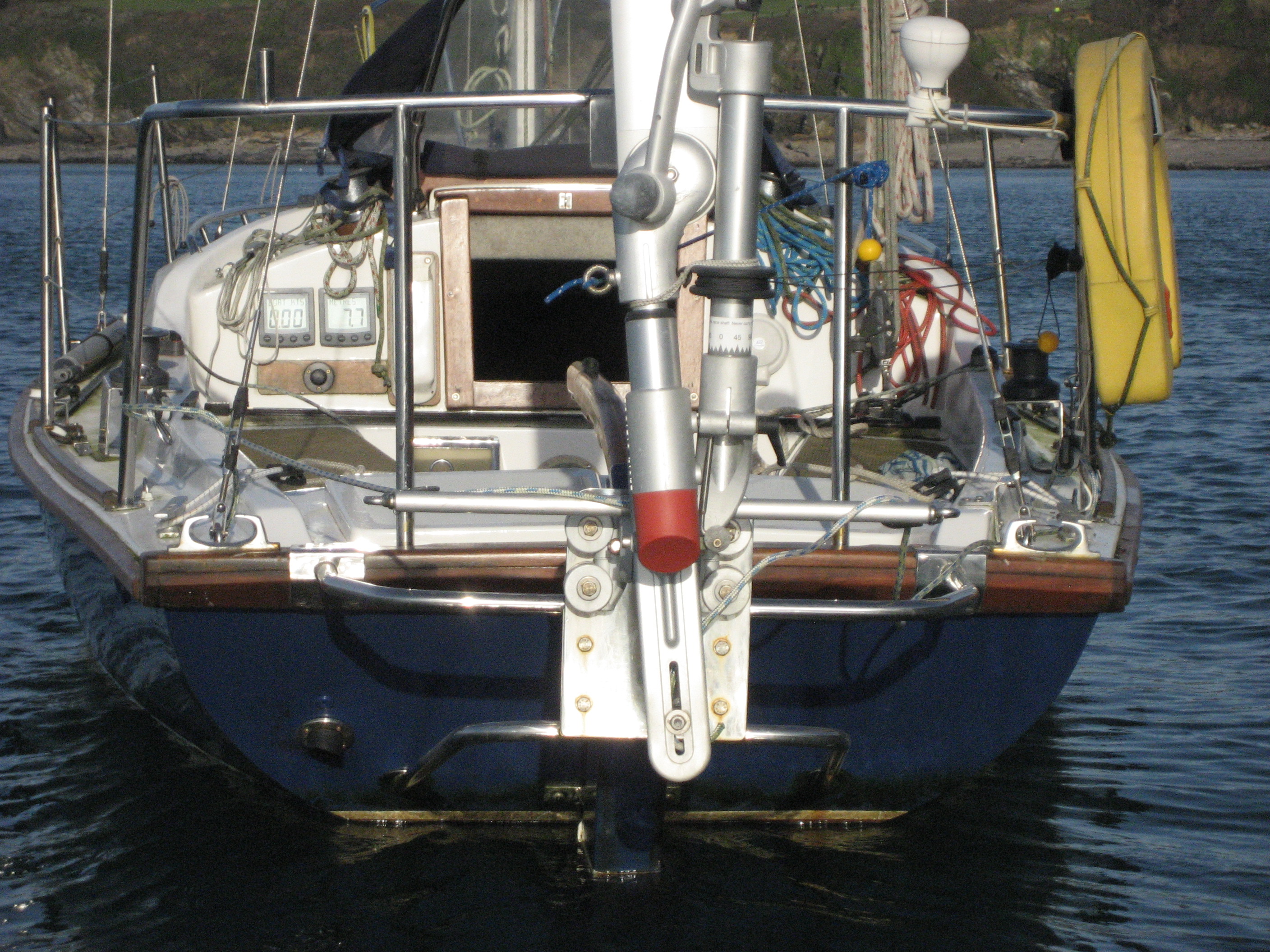
All the metal work makes Blue Mistress look positively industrial. The depth is 7.7 metres – it had dropped from 8.4 metres in the 3/4 hour I had been at anchor.

Image

The washed-out colours of January.

Image

This simple rig holds the course giving plenty of time to go fetch something from below. It works just as well under sail..

Image

The tide was low and the water slack as I passed the Cattewater Wharves.

Image

Flinterlinge, registered out of Groningen, was busy unloading.

Image

The Eye of the Beholder

Thank you, Max, for your comment. I have taken it on board. This is for you.

I stopped writing the blog for a while because the rest of life took over. Now I’m looking back again and wondering where the cumulative experience lies – what am I learning? Hence the following:

Image

I slipped the mooring and motored the mile down to the Citadel. There was no wind, and very few boats out this early. I had Plymouth Sound more or less to myself.

With sails set – mainsail and genoa, we barely made headway, the tide doing most of the work. I poured a coffee from the flask and found a biscuit. Time to enjoy the moment. Time to reflect.

Two or three fishing boats emerged from Sutton Harbour, hustling their separate ways past me and out to the open sea.

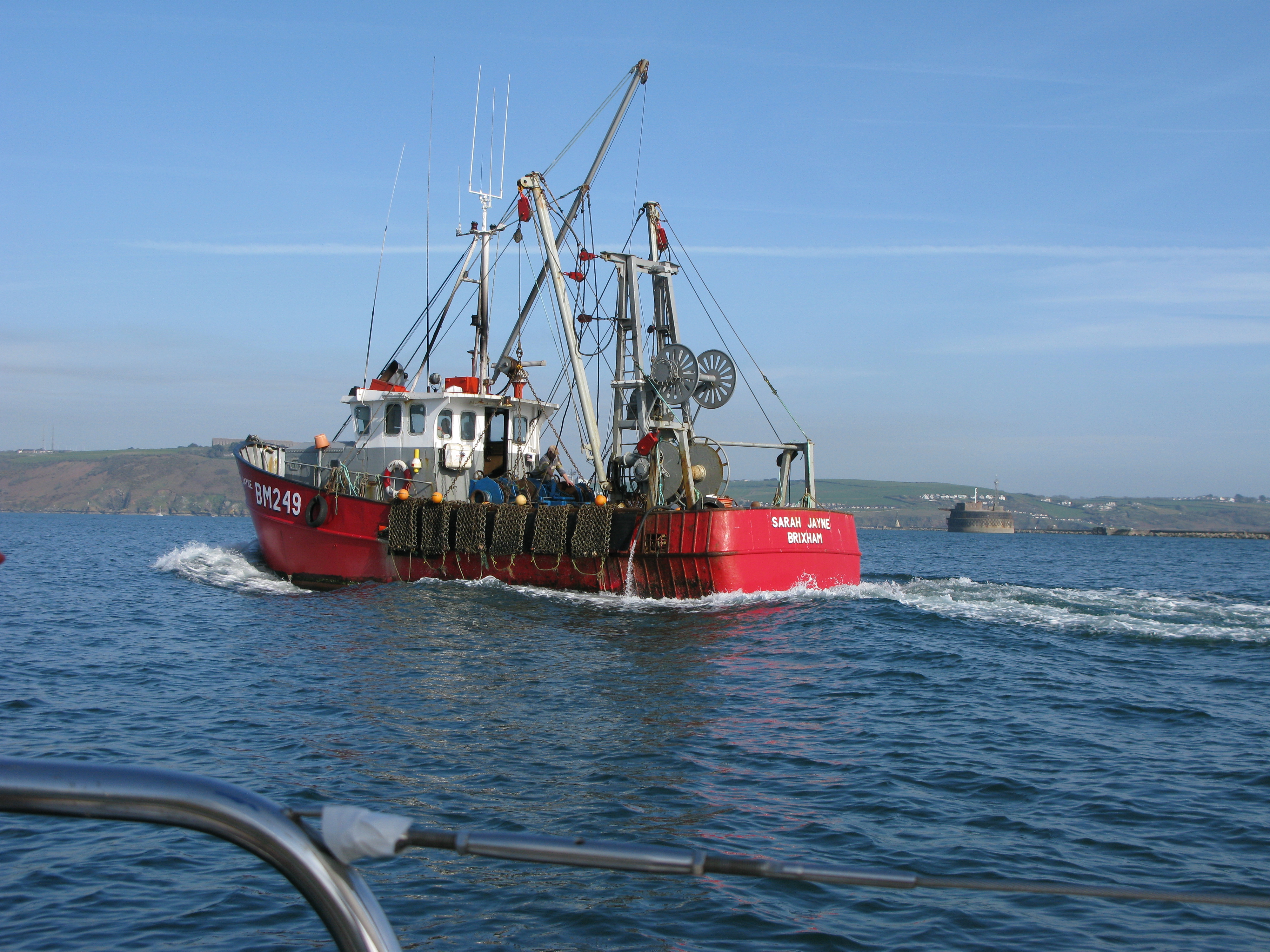
This one caught my eye.

Image

They say beauty is in the eye of the beholder. Well, there is beauty here but not necessarily the beauty of lines and colour, not in the magazine-image sense anyway. The beauty here comes from all that has gone before and all that is to come from this boat. It’s not so very different from the Ceres that I have posted on a number of times. We do like her lines but, in reality, she was a Westcountry trading ketch – it was the work she did that made her. (Tugster will understand this).

Passing in front of me now was someone’s livelihood – with all the political, economic, environmental, maritime safety, health and safety, technology and science issues that surround it. Those same issues that are increasingly pressing on you and me.

But, even in the face of all that, there were still elegant lines. For this one moment, for me only, this slightly ungainly metal workshop had created an almost perfect wave in an otherwise table-flat sea. And it was beautiful.

It’s those moments that I go to sea for – not to forget all the other stuff, (how can we?), but to add to the total experience of life.

Ceres – a suitable resting place

On 24th November 1936, Ceres went down in Bideford Bay.

“The 125 years old “Ceres”, veteran of the merchant service, her course now run, lies at the bottom of Bideford Bay, somewhere off Baggy Point.

The “Ceres” sprang a leak on Tuesday night while on a voyage from South Wales to Bude, and foundered after her crew had put off in her boat and had been picked up by the Appledore lifeboat. The Captain is Mr Oswald Jeffery, a married man, whose home is in Richmond Road, Appledore, and the mate Mr Walter Ford, a married man of Irsha Street,  Appledore. They reached Appledore in the lifeboat at about 11 o’clock, and on arrival the Rev Muller offered a short prayer of thanksgiving for their safety.

Captain Jeffery said,” We left Swansea on Tuesday bound for Bude with a cargo of slag.  Because of the weather we intended to go in over the Bar for the night as it was too rough to venture on to Bude.  At 8 o’clock I went below to rest for an hour, leaving the mate in charge.  An hour later he told me there was water in the engine room. We manned the pumps. We tried to get the ship over the Bar, but the water made her roll badly, and I gave the order for the ship’s rowing boat to be launched. I fired two rockets, and we abandoned the vessel. We lay in the shelter of the “Ceres” which was sinking, and were taken onboard the lifeboat.”

Dr. Valentine stood by in case medical assistance was needed, but although wet through, neither the captain nor his mate appeared any the worse for this ordeal.

The “Ceres” was owed by a Bude firm of coal merchants, and was built in Salcombe.

~~~

“. . . lies at the bottom of Bideford Bay, somewhere off Baggy Point.”

On 12th March 2011, 74 years and 108 days after she went down, we took a walk on Baggy Point.
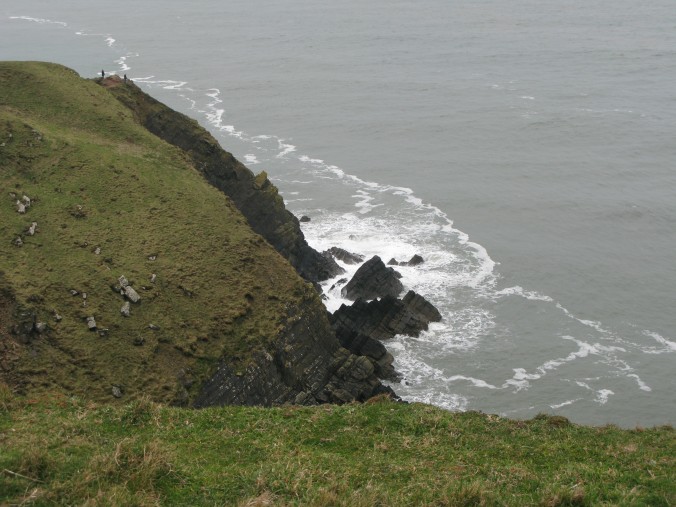
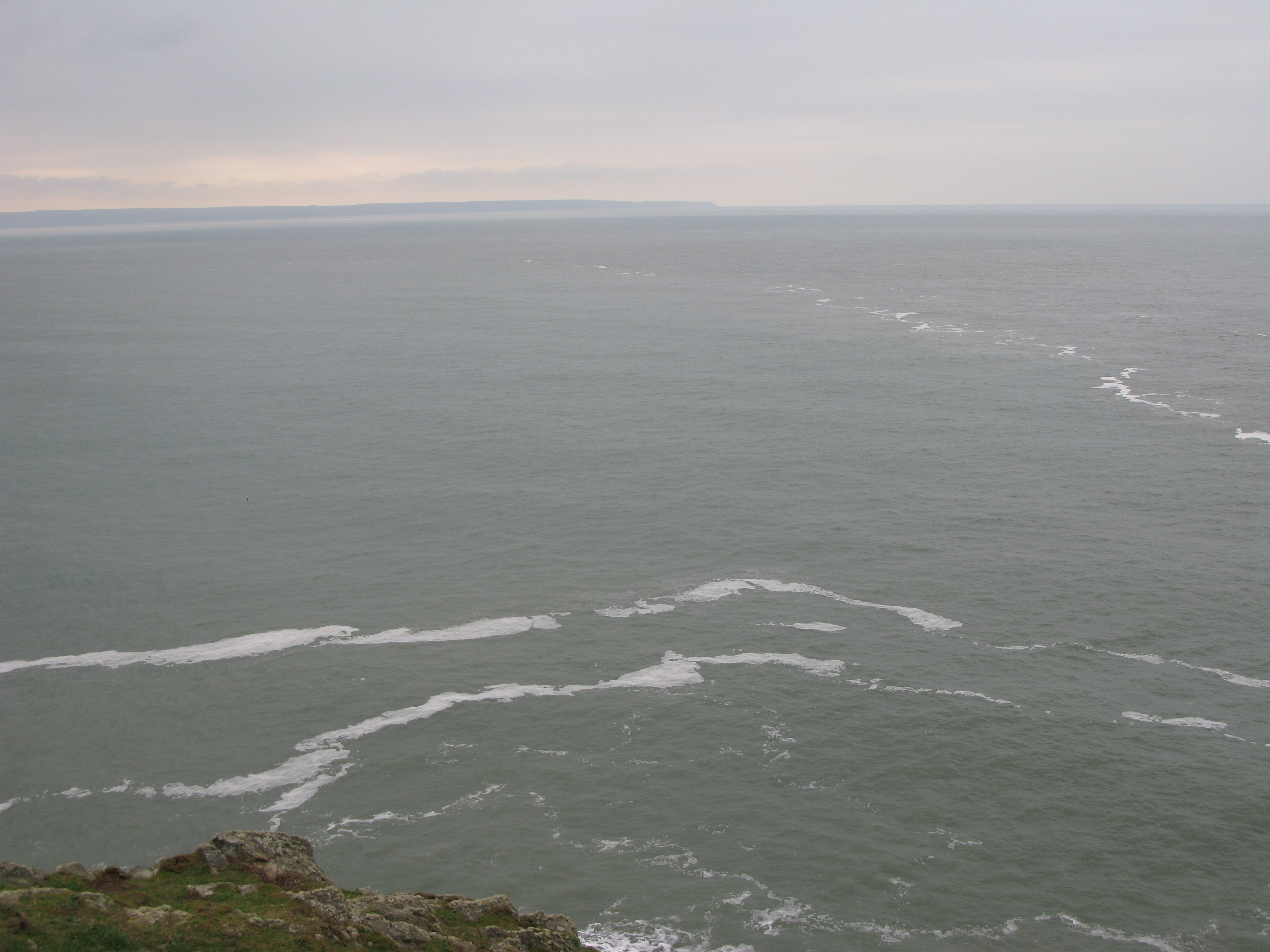
The day was hazy with rain forecast for the afternoon.  The air was warm for March – the sea calm, Lundy Island almost lost in the haze.

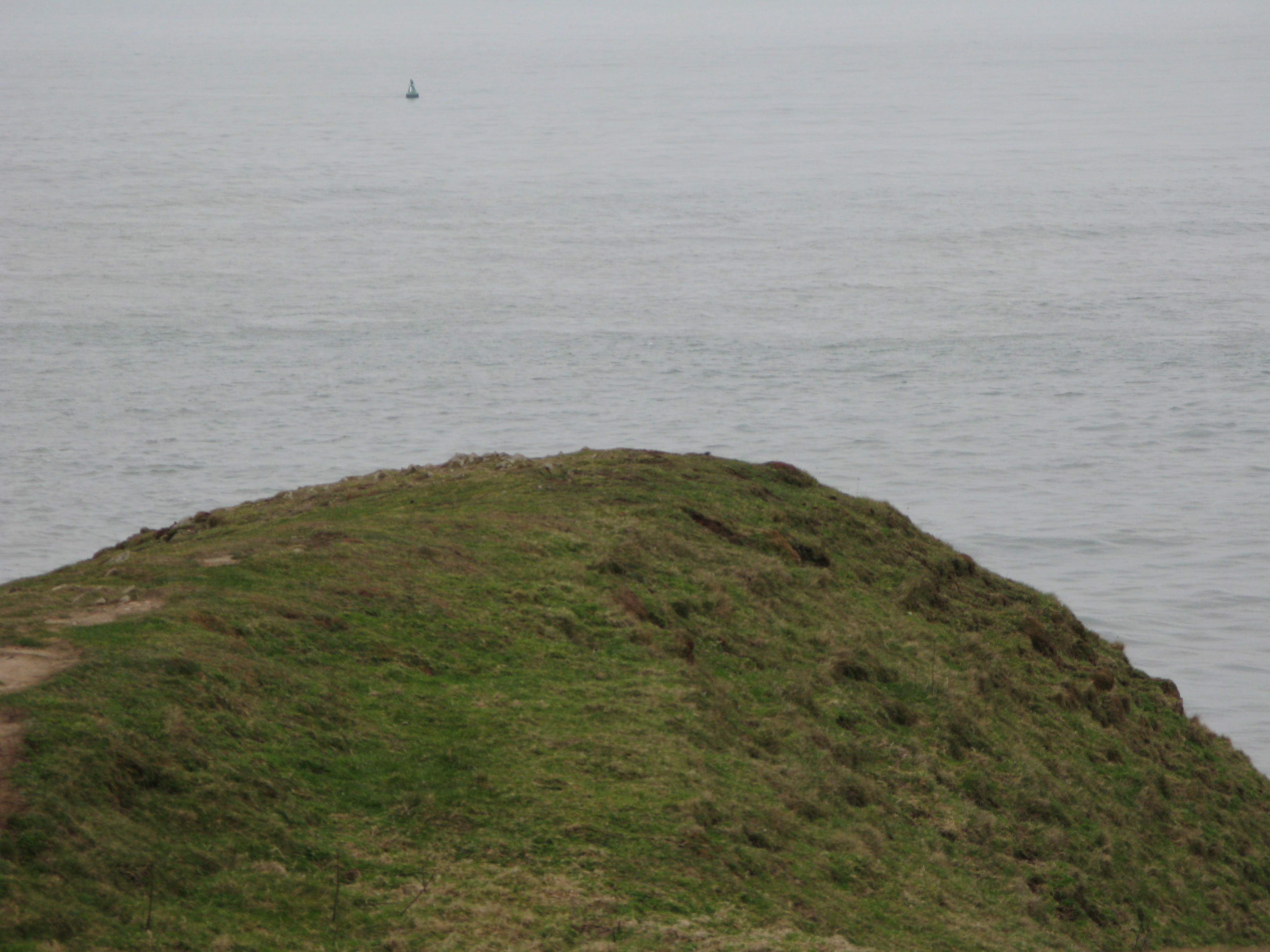
There is a green navigation buoy off the Point, guiding ships away from the rocks that mark this coast.

I wondered if it was there the day Ceres went down.

(Which reminds me, the original charts still exist. I will check and let you know.)

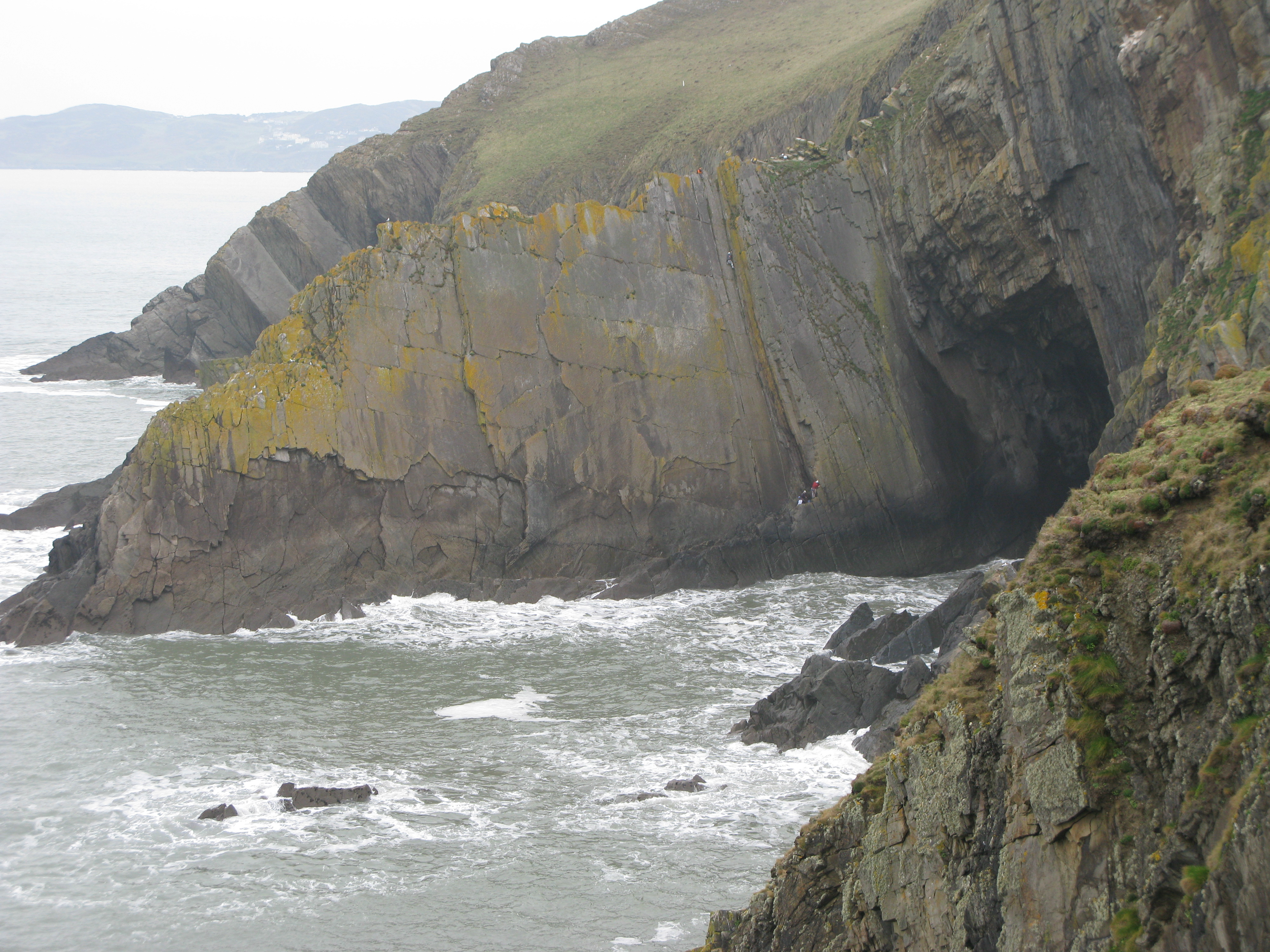
You have to get close to the Point and then start to climb down before you discover just how spectacular it is.
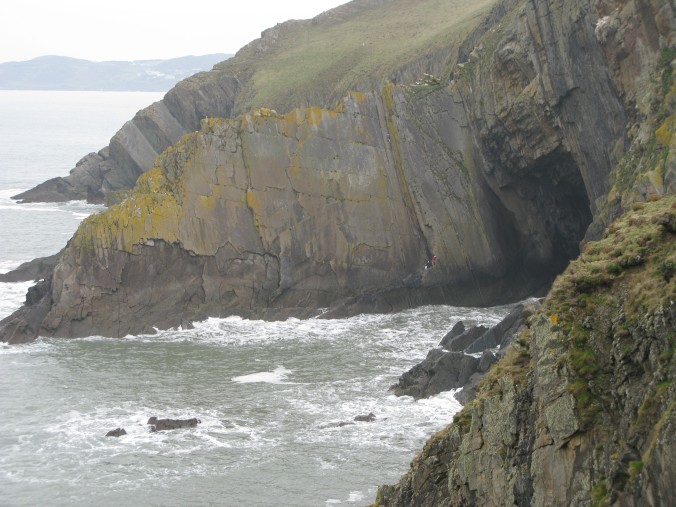
The sea and the weather whittle away at this coast hour on hour, day on day, year on year, century on century.

The climbers on the rock face are lost in the sculpture.

~~~

This is no place to be late at night in a westerly gale.

“. . . Because of the weather we intended to go in over the Bar for the night as it was too rough to venture on to Bude.”

It is approximately 12 nautical miles across Bideford Bay from Baggy Point to Hartland Point and another 12 nautical miles or so down an inhospitable, west-facing coast to the difficult entrance to Bude Haven.
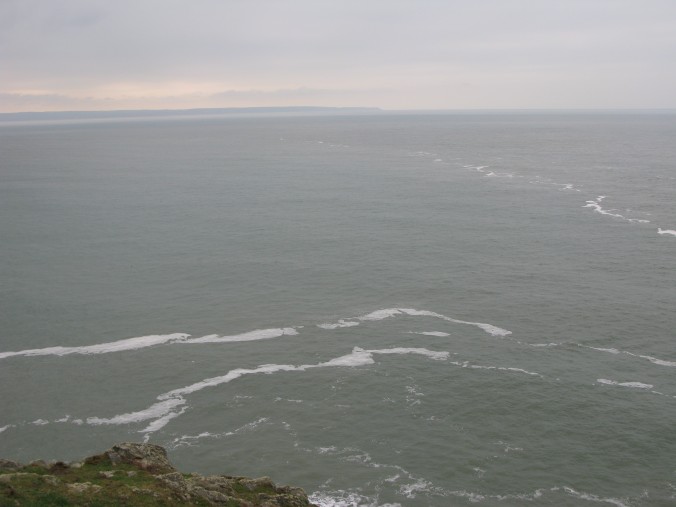
Better to make for shelter inside Bideford Bar and accept the twelve nautical miles from there back to Hartland Point as a cost worth bearing.

In noting the features of navigating the Bristol Channel  the Cruising Almanac states:

“There are races off many headlands in particular Hartland Point and Bull Point on the S side and St Gowans Head, Oxwich Point and Mumbles Head on the N, together with dangerous races, the Hen and Chickens and White Horses off the NW and NE of Lundy and also S of Lundy. Overfalls are widespread, sometimes in mid-channel and a short, steep sea sets up quickly with wind against tide . . .”

~~~

There are two footpaths from Baggy Point to Croyde.

The lower one gives a perfect view of the Bay across to Bideford Bar.
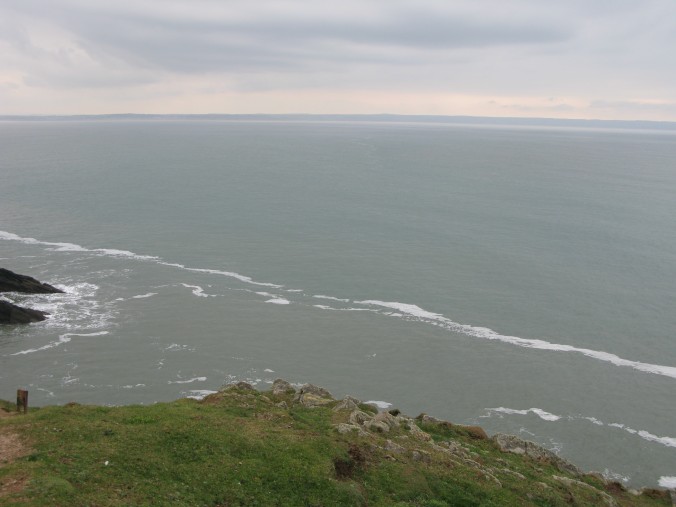
The Cruising Almanac again: ” Bideford Bar has about 1m (at LAT – the lowest depth at the lowest of low spring tides). Bar and sands are continuously shifting and buoys may be moved to allow for this. It is dangerous if a heavy ground swell is running. Oc Ldg Lts are moved to suit the fairway. If a sea is running on the bar a good rise of tide should be waited. Under bad conditions the entrance may be difficult and dangerous . . . The tide may be awaited in Clovelly Bay with winds S of W. . . 

“Approach: In thick weather make Downend or Westward Ho! and thence shape a course for Bideford Fairway RWVS with sph topmark Fl.10s NNW of Rock Nose, Westward Ho! . . .”
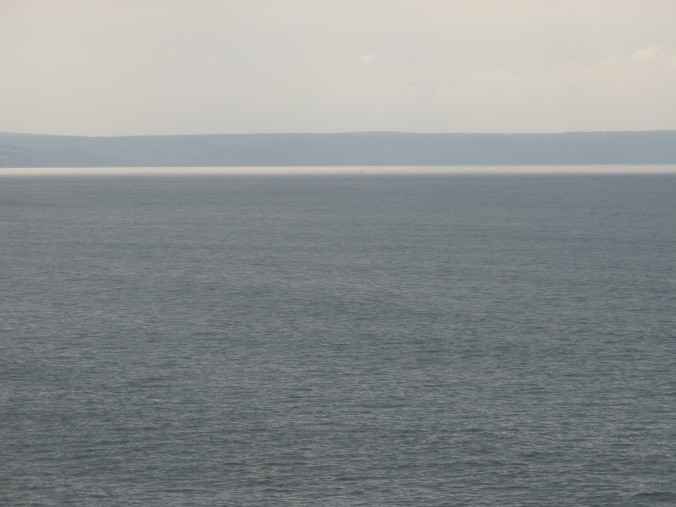
So there it is: in the middle of the thin line of sunlit water across the Bay, the Bideford Fairway buoy can be faintly seen . . .

. . . and somewhere beneath this Bay lies Ceres.
~~~

The others walk on and I sit for a while . . .

forget the photographs, forget the newspaper cuttings, forget the family stories, this is here and now.

She’s been down there for nearly 75 years . . .

. . . . and I am left wondering how the loss of a sailing vessel so long ago can be so deeply moving to someone who wasn’t even born then.

What was it about those ships?

~~~

But time it comes to ships and men when sailing days are past,

Even such as hail from Devon where they mostly build to last,
And her seams began to open and the Severn tide came through

And the water kept on gaining spite of all that they could do.

They did their best to beach her but they couldn’t do no more

And she foundered at the finish there in sight of Appledore.

And her bones’ll never flicker blue on any ‘longshore fire,

For she’ll lie there and she’ll moulder as an old ship might desire

And hear the vessels passing by, and dream about the past,

And the great old times in Devon where they built her once to last.

from The Ketch “Ceres” 1811 – 1936 by C.Fox Smith