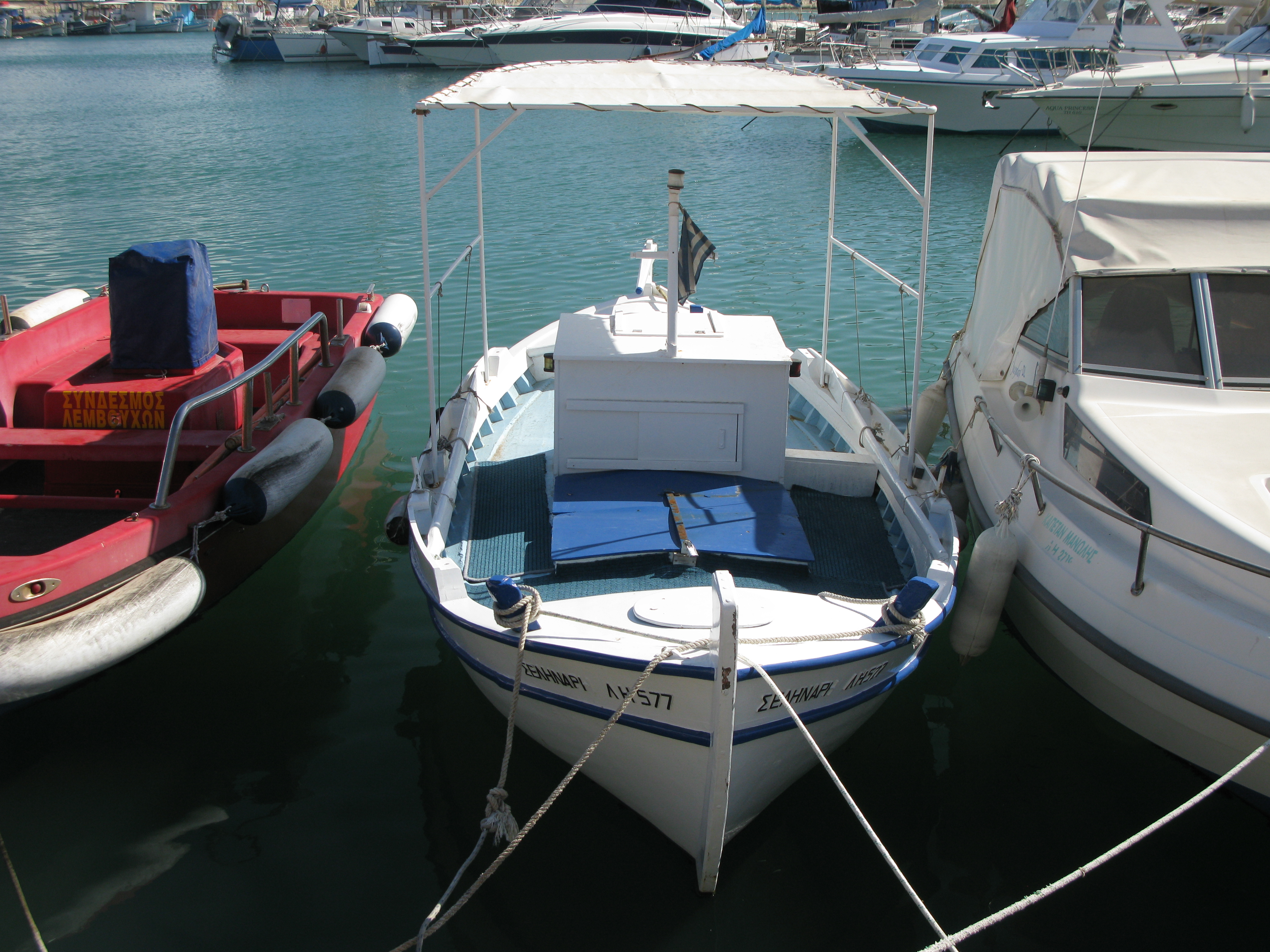
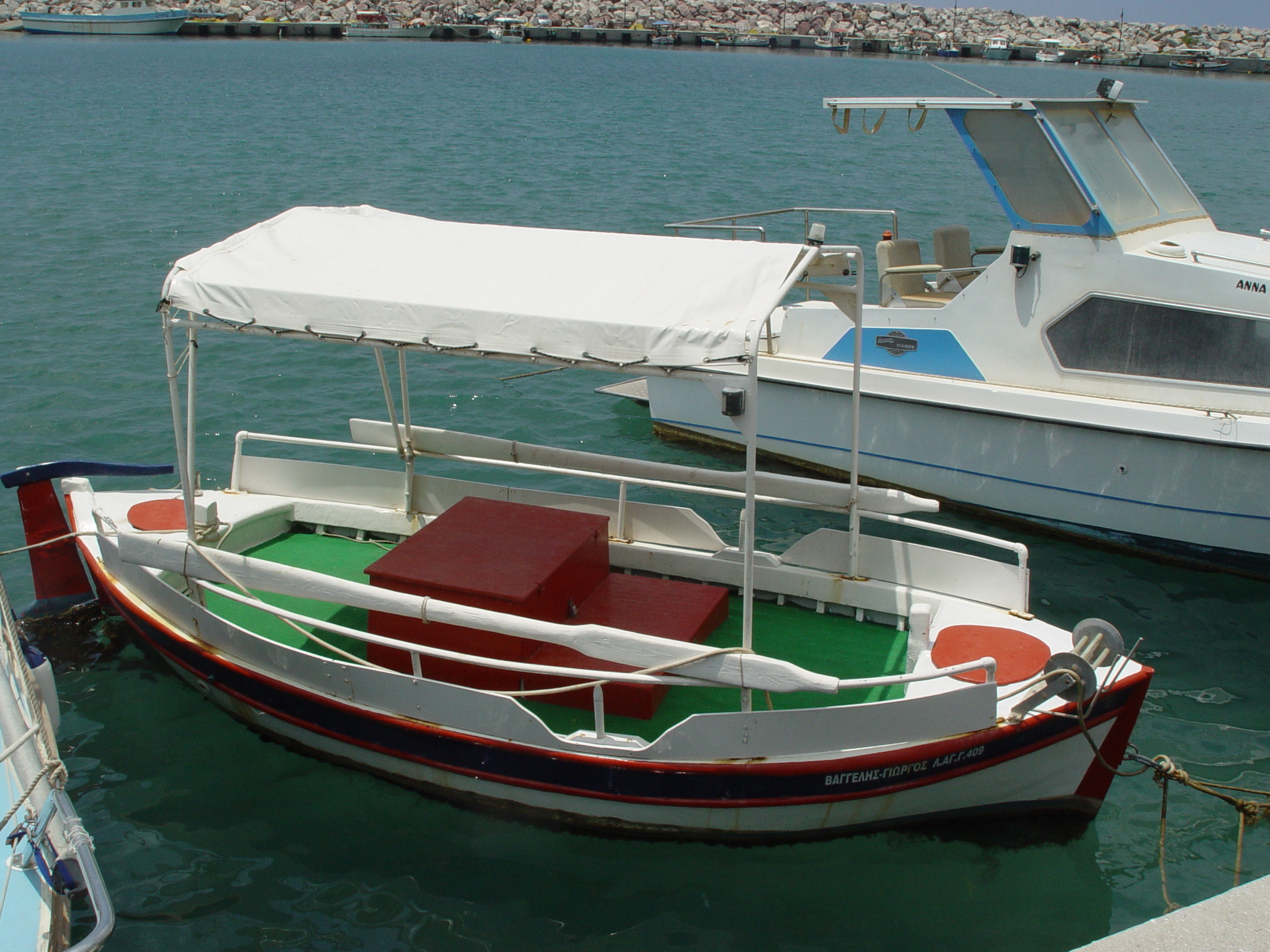
2/14 A new tack

DSC05597

Let me ask you a question:

Let us say you have spent most of your life sailing down the same long estuary. Where you started, the head of the estuary was narrow, the product of a meandering stream which had grown into a river. This river joined other rivers, all flowing into the very same estuary. The further you sailed, the wider the estuary became. And as it widened, so you grew. The shoreline contained you but you always had enough sea-room. There were a few navigation problems but no more than on any voyage. Now finally you have reached the open ocean and the opportunity to steer a completely different course. You have a good feeling about this.

But at the last moment the weather turned. Instead of being free to ease the sheets and sail gently away as originally planned, you found yourself sailing into the wind – tacking back and forth across the estuary entrance, hanging on to each tack till the very last moment in the hope of making headway in one direction or another. This was immensely frustrating, each tack seeming longer than the previous one, pushing you ever closer to the shore. There was the  temptation to give up and head for the nearest port. However, as the man said, “ships are safe in port, but that’s not what ships are built for,” (Grace Hopper). There is more you want to do, so you kept going – one last tack should do it!

Finally, with one eye on the closing shore, you push the tiller away from you and bring your boat into wind for the last time – the sails flap and the boat slows as it plunges into the waves. You watch the bow, mind the sheets and feel the wind on your cheeks. In a short while you will come round and set off in a new direction – your other hand on the tiller, the wind on the other cheek. In slowing into the tack, there is a very brief pause, a watchful moment to reflect, to look around and see what you see.

Here is my question:

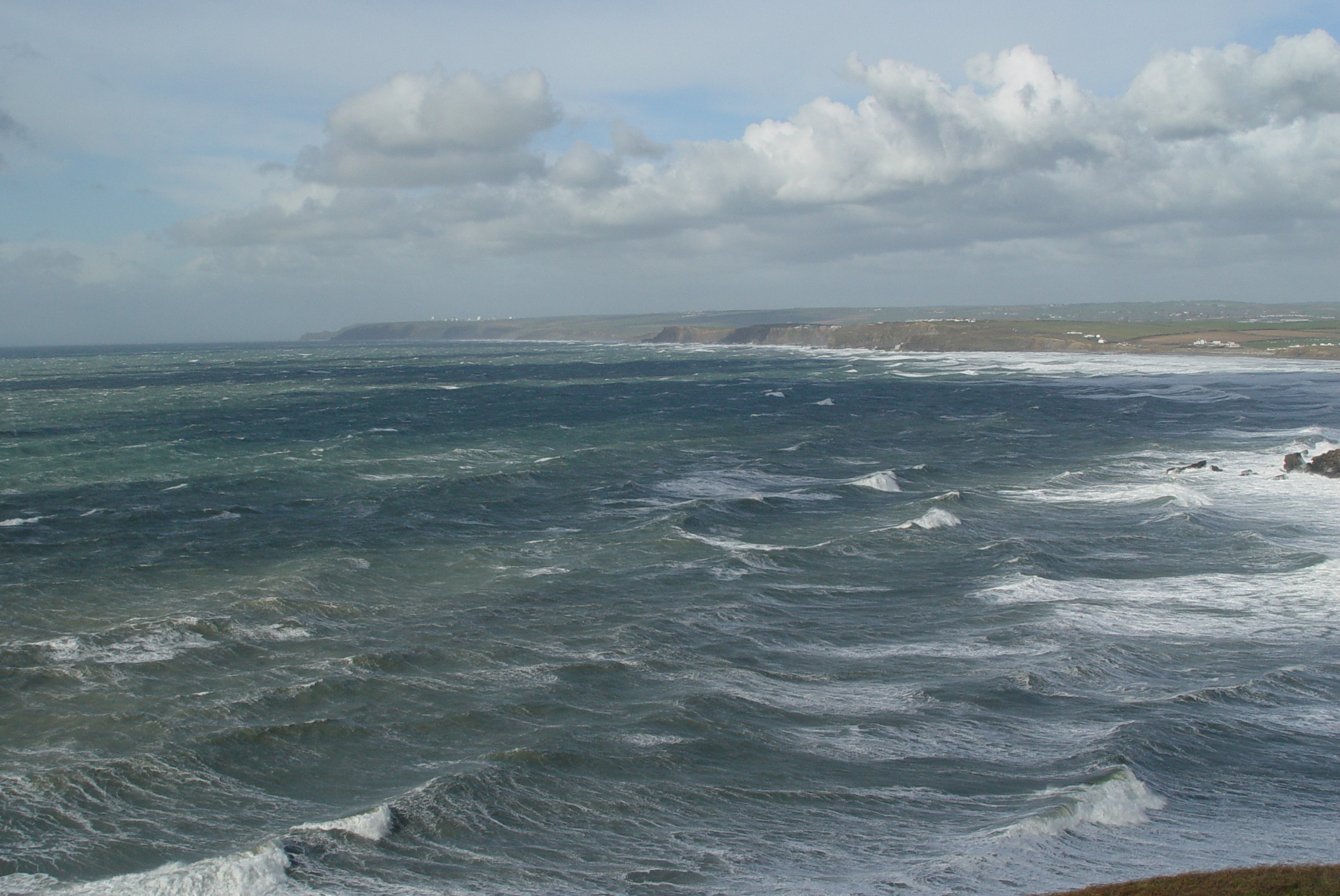
Do you keep what you see to yourself and merely enjoy the moment? Or do you record a note or two? This is a unique moment for you, Should you say something? But this is 2014. Even if you do speak out, you know that last year there were over thirteen and a half million new WordPress blogs on top of the ten million the year before. Isn’t your note going to be lost in the ocean of words you are sailing into? Your few square yards of sea are unique but the wind and the waves will sweep the ripples away the moment you sail on.
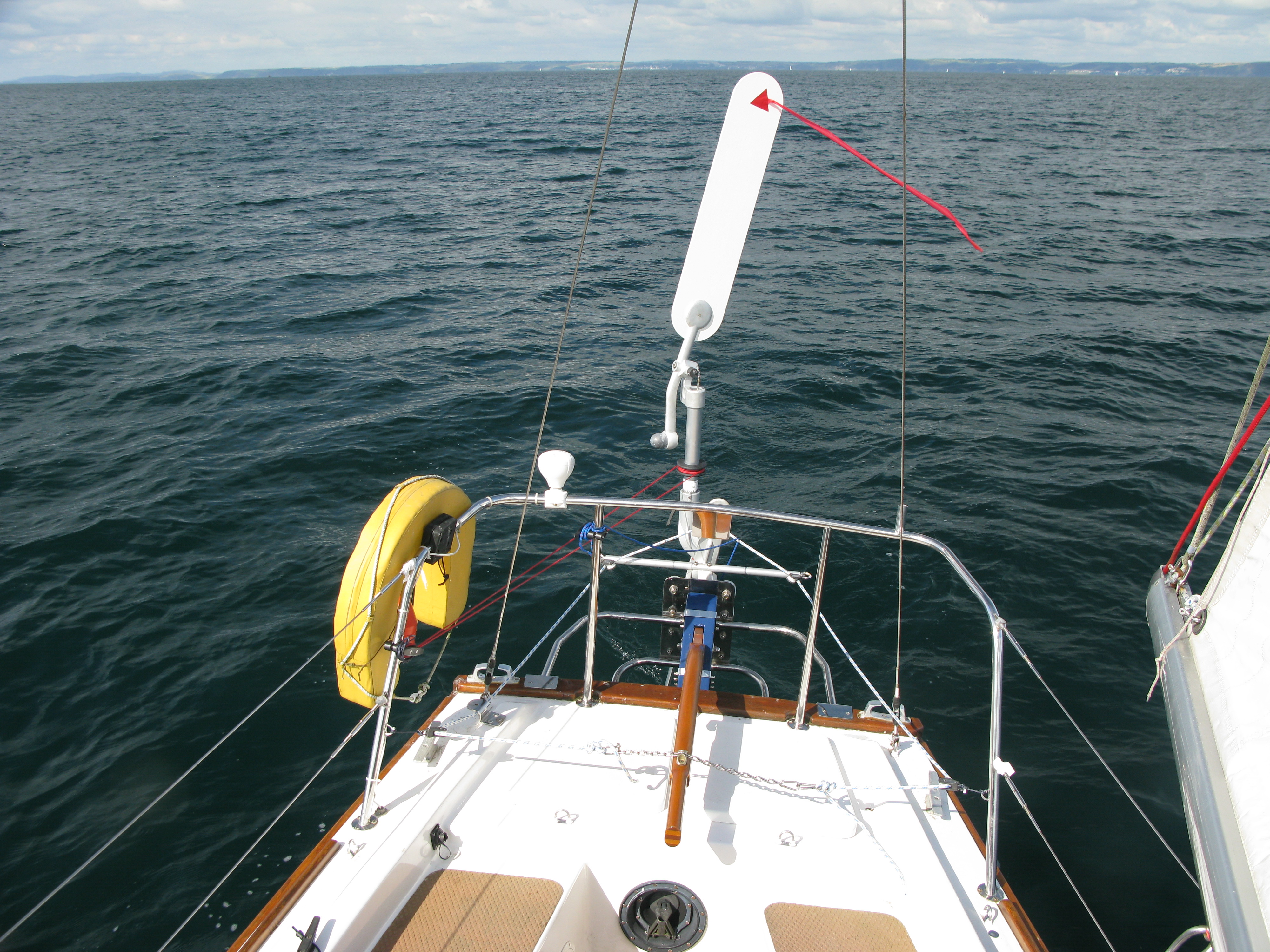
IMG_5552

Perhaps you should make a record. Others may judge of they want to.

Surely the significant point is that you still have the freedom to say anything at all.

~~~

Although it can be read as a single post, the above is part of a series that illustrates one of the author’s current interests, taken from a locker full of interests, at a major waypoint in his life. The series sets out as a comment on retirement before focusing around language. He wonders whether he himself has the language to cope as he steps out into the wider world popularly known as ‘retirement’ – an irreversible step into a world that he has previously only glimpsed out of the corner of his eye, a world in which he thinks the word ‘retirement’ to be a misnomer. He has used the medium of the blog to paint the picture. The irony is that, whereas writing about it does allow him to reflect, sitting alone at a computer actually distances him from the face-to-face interaction he is describing.
1/14 Writing again

Image

A little perspective. There were 13,704,819 new WordPress blogs in 2013, 10 million the year before. That’s a lot of people writing a lot of words. But we still do it – writing them and hopefully reading them too.

We can’t read them all, so we follow particular blogs. We like the writer’s style or we like the subject and hope to learn more. Over time, we get to know the writer pretty well – or we think we do. And we notice the changes. Maybe the original topic has run its course, (perhaps the particular voyage has come to an end), or maybe the writer has reached a life-changing junction, (a different sort of voyage coming to an end). Few subjects are consistently interesting over a long period and even fewer writers are able to make them so. The blogs that stand the test of time ebb and flow – the writer revealing a pulse that keeps his/her blog alive.

Sometimes there is a longer pause. The writing stops. The writer needs to back away and think for a while. So with this one.

Well over a year ago I decided to finish the day-job. The process of finding a successor and finishing work took over. As life became less certain, I found writing more difficult. And as with the blog, so with the boat, I lost sea-time – something I thought would never happen. The whole process took a lot longer and was a lot more traumatic than I imagined. For a long while it felt like walking a very narrow gangplank with a long drop to the sea and every possibility of falling into it. It’s over now – the stormy period is easing. Maybe I will talk about it when the time is right. I want to start writing consistently again.

~~~

Although it can be read as a single post, the above is part of a series that illustrates one of the author’s current interests, taken from a locker full of interests, at a major waypoint in his life. The series sets out as a comment on retirement before focusing around language. He wonders whether he himself has the language to cope as he steps out into the wider world popularly known as ‘retirement’ – an irreversible step into a world that he has previously only glimpsed out of the corner of his eye, a world in which he thinks the word ‘retirement’ to be a misnomer. He has used the medium of the blog to paint the picture. The irony is that, whereas writing about it does allow him to reflect, sitting alone at a computer actually distances him from the face-to-face interaction he is describing.
Lifting Blue Mistress

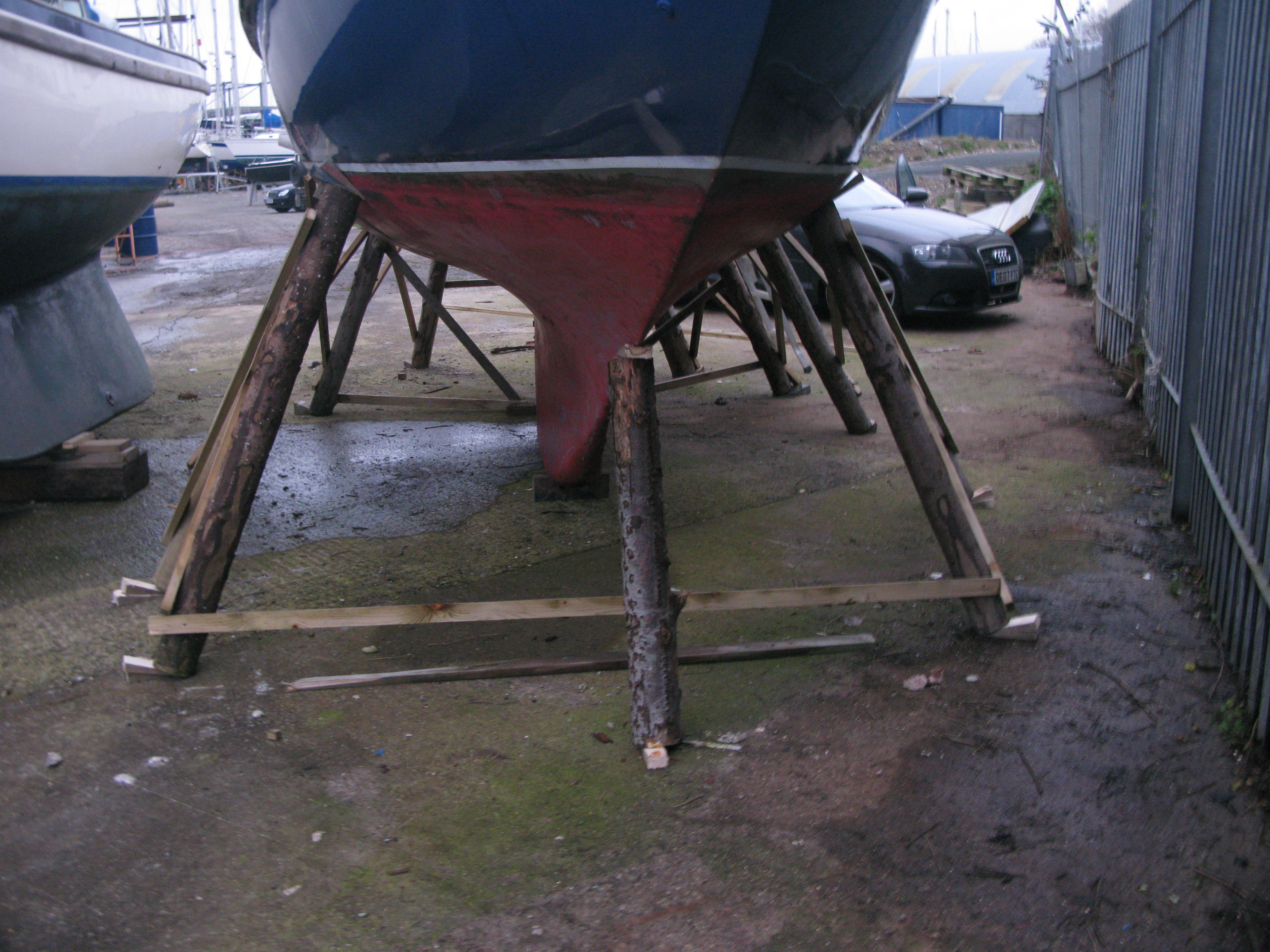
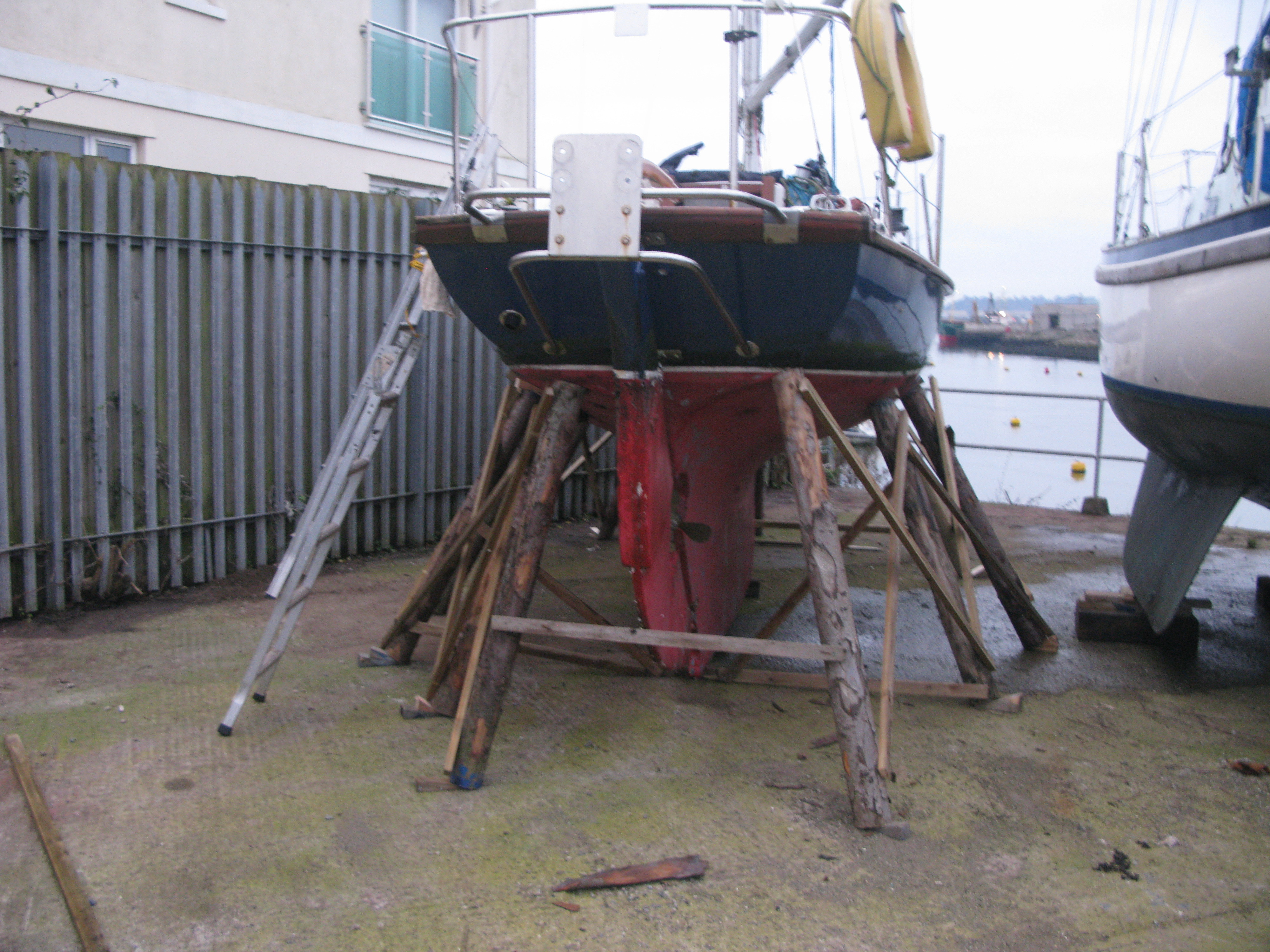
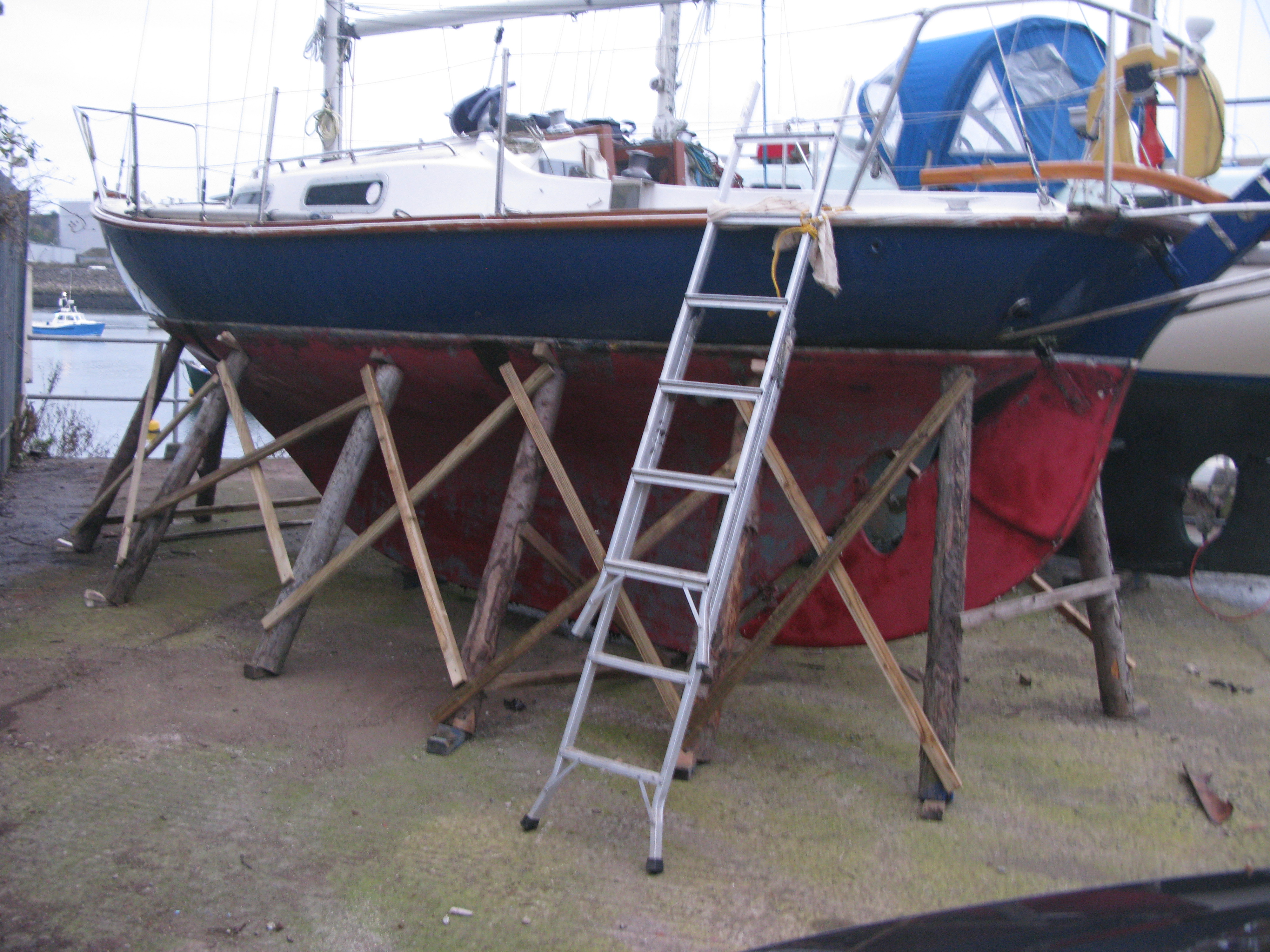
There are a number of reasons why I might not have shown this image – personal embarrassment being high on the list, But then I thought, “Hey, this is what happens if you don’t lift the boat often enough. Not many people have seen this on their vessels, so maybe it will make them feel even better about the refitting work they do.”

I haven’t posted this year. One of the results of a difficult year has been a lack of time afloat. So when, on one of the few times I was able to go to sea, I had engine trouble, I finally decided it was time to lift her and spend some productive refit time over the winter.

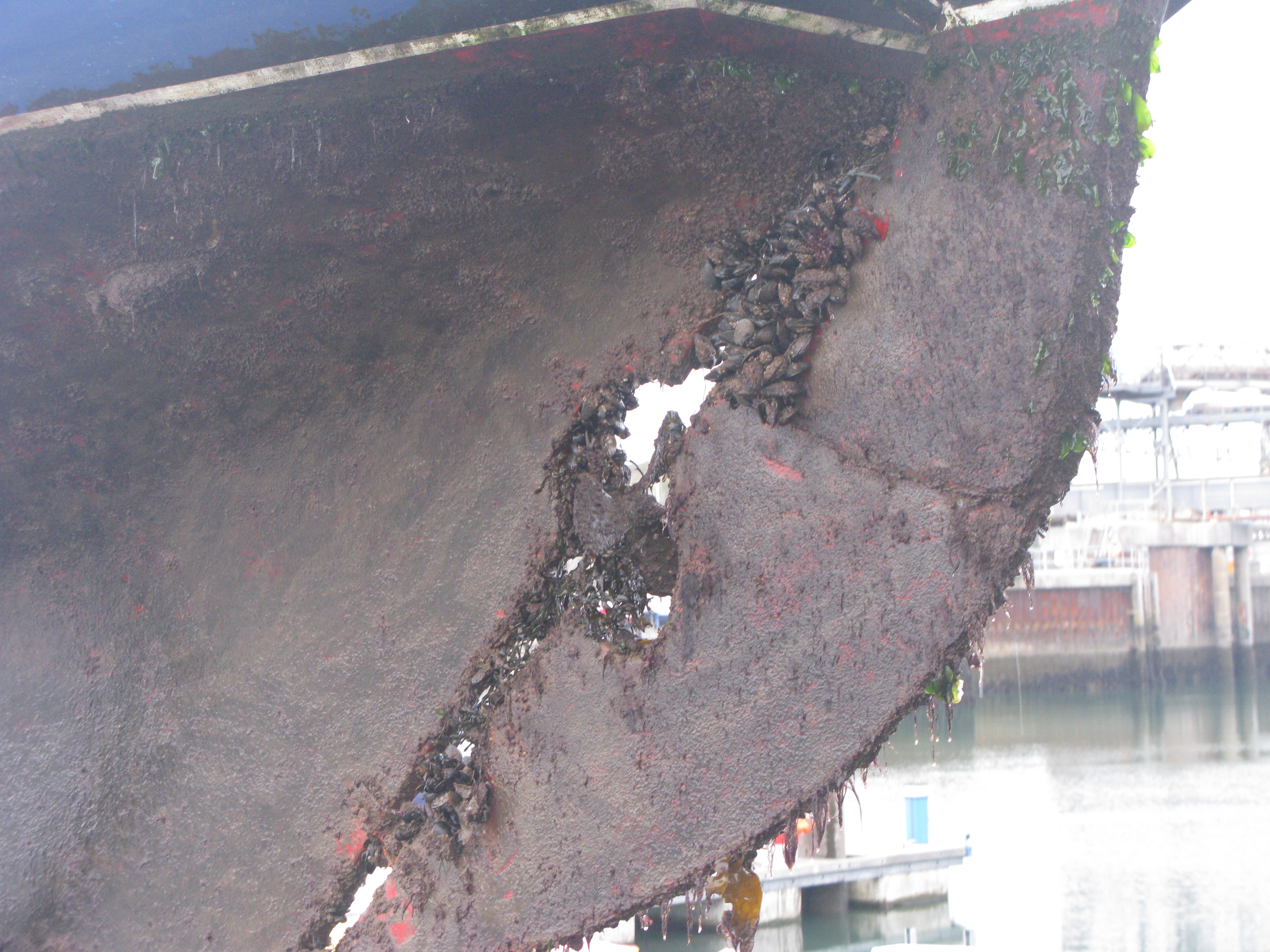
And yesterday we did lift the boat, and this is what we saw in the early evening gloom (click on image to enlarge) . . .

IMG_0207

. . . not just barnacles but a whole colony of mussels – on the rudder and around the propeller. So this was why the helm was sluggish and the engine was difficult to start.

There were some ripe comments from the lifting crew!

However, Blue Mistress had always cleaned up well and today . . .

IMG_0242

IMG_0246

IMG_0247

She won’t be back in the water until early May. There are a number of jobs I want to do on her, including major work on the engine. And we also have other adventures planned before then.

I will post on the boat again.

An elderly pencil

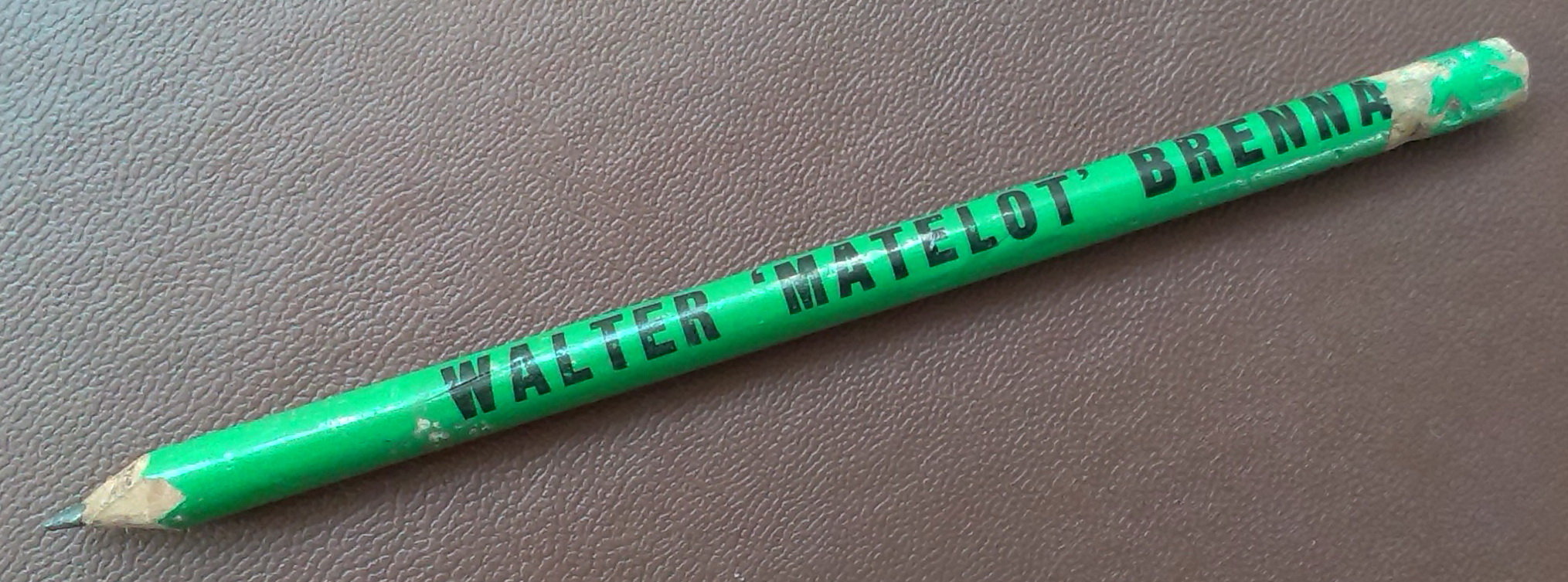
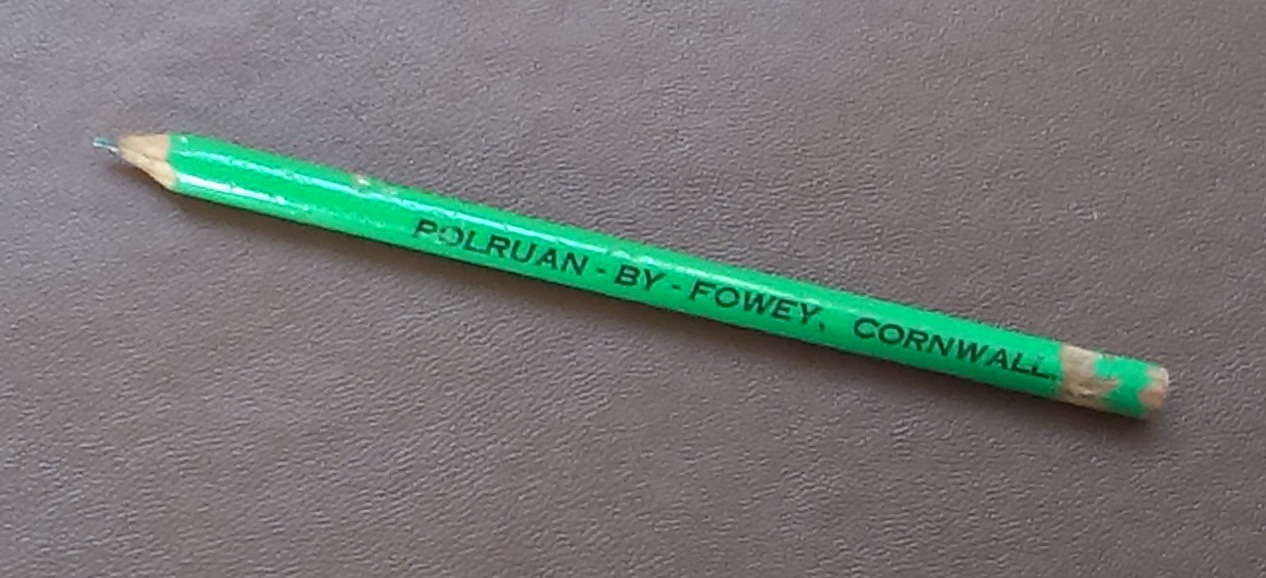
We have had the decorators in and everything but everything has been boxed up. The job has been so long that all our cardboard boxes are now hidden wells of discovery,  Looking through one such box. I found this pencil.

IMAG0261a

Walter Brennan taught me to sail. I was 13 or 14 at the time – so the pencil is a little over 50 years old.

It was inexpensive – free, in fact, because he gave them away. It hasn’t been used constantly but it has survived over the years where a number of expensive and increasingly sophisticated computers have not. And whereas those computers became obsolete, this piece of kit will still do what it was designed to do – act as a printer for whatever is going on in my head.

2013-11-08 15.34.56a

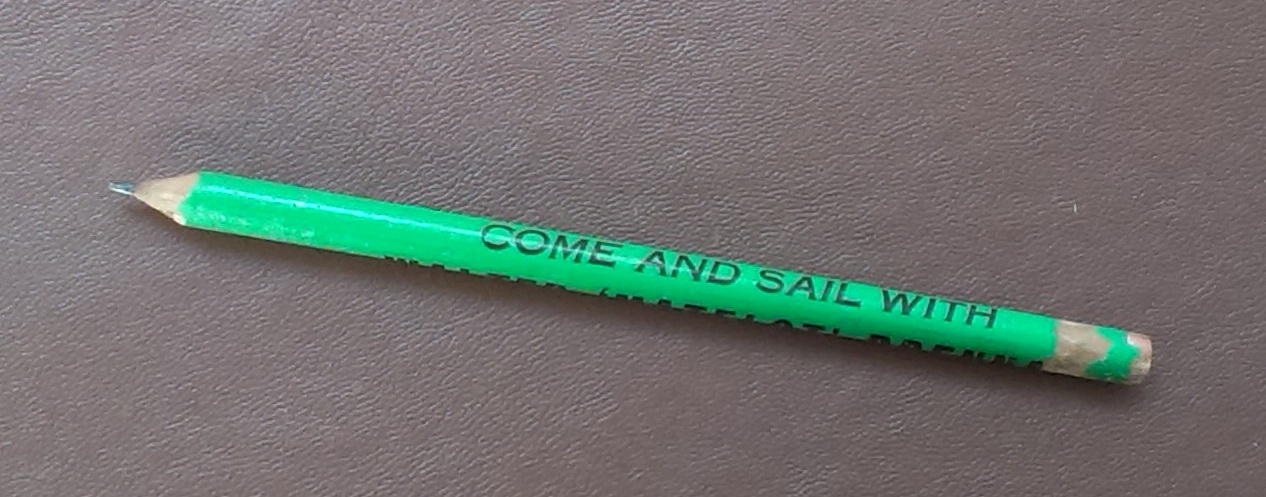
Obviously it is ancient hardware and I don’t offer it as an alternative to a computer – (certainly not with my brain!), but as a design that stands the test of time.

Having found it again, I am able to use it instantly – no recharging,  no cables, no wireless router, no waiting for startup, no searching for software and apps, no need to update.  It is portable and versatile. So is my mobile phone – but I guarantee my pencil will outlive my mobile too. (And I can’t chew the end of my mobile).

On the boat, I have three versions of gps – plus a clutch of 2B pencils.

If you’re younger than thirty you possibly don’t care. That’s ok. But at the weekend I watched my three year-old grandson climb the stairs while watching a television programme on the iPad he was holding. He had found the app and opened the programme himself. I don’t suppose he will be impressed if I leave him my pencil in my will. However, my pencil will last longer than his iPad.

2013-11-08 15.34.45a

Perhaps the pencil will be the shape of computers to come.

Who knew they would reduce a computer to look like a large postcard?

Who knew a smart phone would become the size of a small chocolate bar?

All power to the pencil.

Rhumb Line

So I woke up in the middle of the night wondering whether ‘about 1900 nautical miles’ was really the distance from Steeple Point to Quirpon Island off the northern tip of Newfoundland or whether I had been sloppy in using the Google Earth ruler to measure it. This got me to thinking about rhumb lines.

The Wikipedia definition of Rhumb Line is:

  • “In navigation, a rhumb line . . . is a line crossing all meridians of longitude at the same angle, i.e. a path derived from a defined initial bearing. That is, upon taking an initial bearing, one proceeds along the same bearing, without changing the direction as measured relative to true north.”

My measurement wasn’t “a line crossing all meridians of longitude at the same angle” but a line crossing all meridians of longitude at the same latitude.

There will be a difference in the lengths of these lines. How much longer will depend how far north the lines are drawn, because of the spherical nature of the earth. The question for me was whether the Google Earth ruler measurement differs from other means of measuring the distance.

So, I reviewed the measurements.

Firstly, for my latitude line, I needed to be more accurate in my landfall in Newfoundland.

The coordinates for Steeple Point are: 50 52 34N  004 33 39W

For Cape Bauld Lighthouse on Quirpon Island the northern tip of Newfoundland: 51 38 24N  055 25 36W

If we move 55 miles south as the crow flies, we come to the harbour at Conche – the coordinates  here are: 50 53 09N  55 53 22W – very nearly on the same latitude as Steeple Point.

The Google Earth ruler gives a length from Steeple Point to Conche of 1,915 nautical miles.

I looked for a site that calculates the Rhumb line and came across this one Movable Type Scripts.

Entering the coordinates for Steeple Point and Conche gave me:

  • Distance:            3,536 km (to 4 SF*) – 1,908 nautical miles
  • Initial bearing:     290°02′46″
  • Final bearing:     249°13′06″
  • Midpoint:            53°38′41″N, 030°17′27″W

You will notice that, whereas the distance is fairly accurate, this isn’t strictly a rhumb line because the bearings are not the same.

Best I can do for the moment.

By the way, Conche looks a good place to visit in summer.

Steeple Point

It has been well over a year since I last posted here. There are reasons for this and I will talk about them in time.

But now that I am ready to start again, I find that the title  ‘bill’s boatblog’ does not adequately cover what I want to say.  I want to reflect wider horizons. However, I don’t want to start a new blog – life’s too short.  Hence the new title.

I have changed the font but kept the general layout – there is a lot of historical material that I have posted over the past six or seven years that I would like to keep and one or two readers may find  the book references useful.

WordPress has developed into a much more sophisticated software package since my first timid attempts at posting.  This is a good thing – we all like to move forward. My first thoughts were that more sophistication means more complication – the process taking over the content. In fact, the changes have made it easier to post on this site. I look forward to more posts.

~~~

Steeple Point - standard

I have chosen Steeple Point – a place I have mentioned often. It plays an important part in my story and now that I am moving on from my day job, I want to have a physical base with a long personal connection from which to develop the blog.  I could have used a street we have lived in – Belle Vue or Cavendish Road or South Pallant or Martins Lane  or Clonbern Road or Nayland Rd South or Stockbridge Gardens or Paradise Road or others. Yes, there are more but none have the nautical connection I am looking for. Steeple Point stretches into the sea. I knew this place before I was old enough to know I knew it.

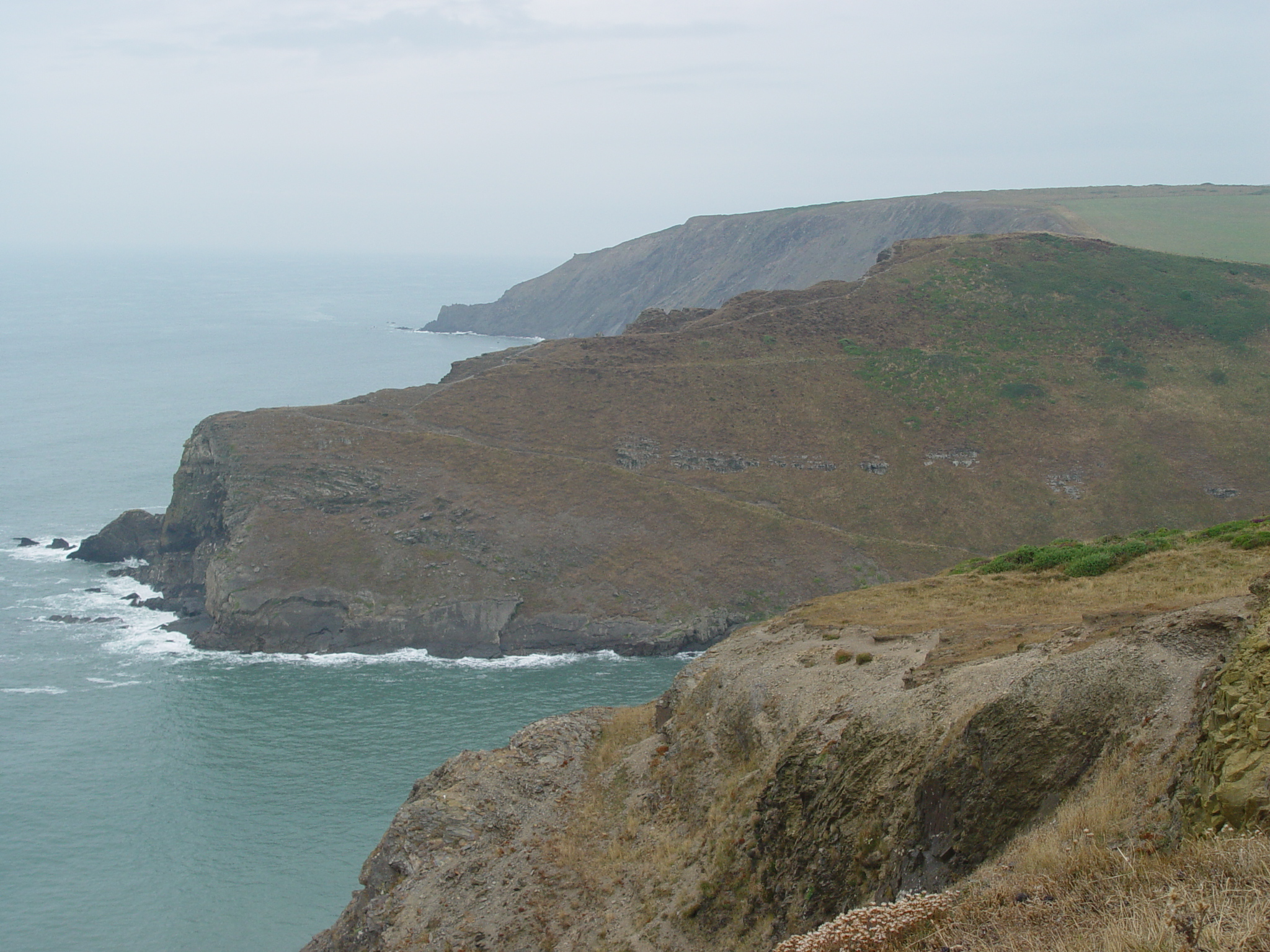
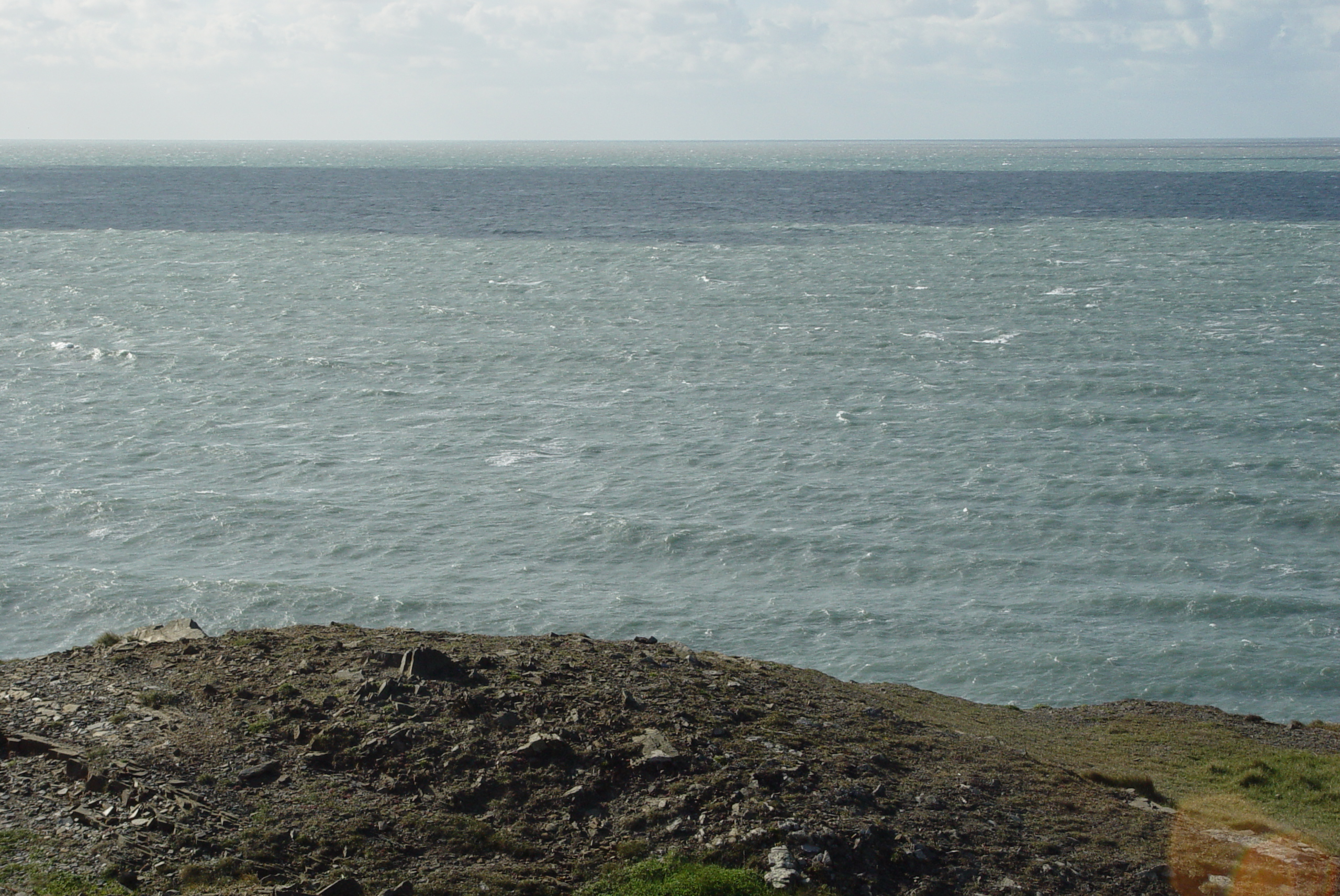
And there’s more. If the Earth were flat and your eye a perfect instrument, you could stand on Steeple Point, look due west, and see, first of all, very slightly to the north, Cape Clear Island and Fastnet Rock and then, on the southern tip of Ireland, Mizen Head , followed by no land at all until Quirpon Island with L’Anse aux Meadows beyond on the very northern tip of Newfoundland some 1,900 nautical miles away. All between is sea and ocean, wide horizons swept by wind and weather,

DSC05589

~~~

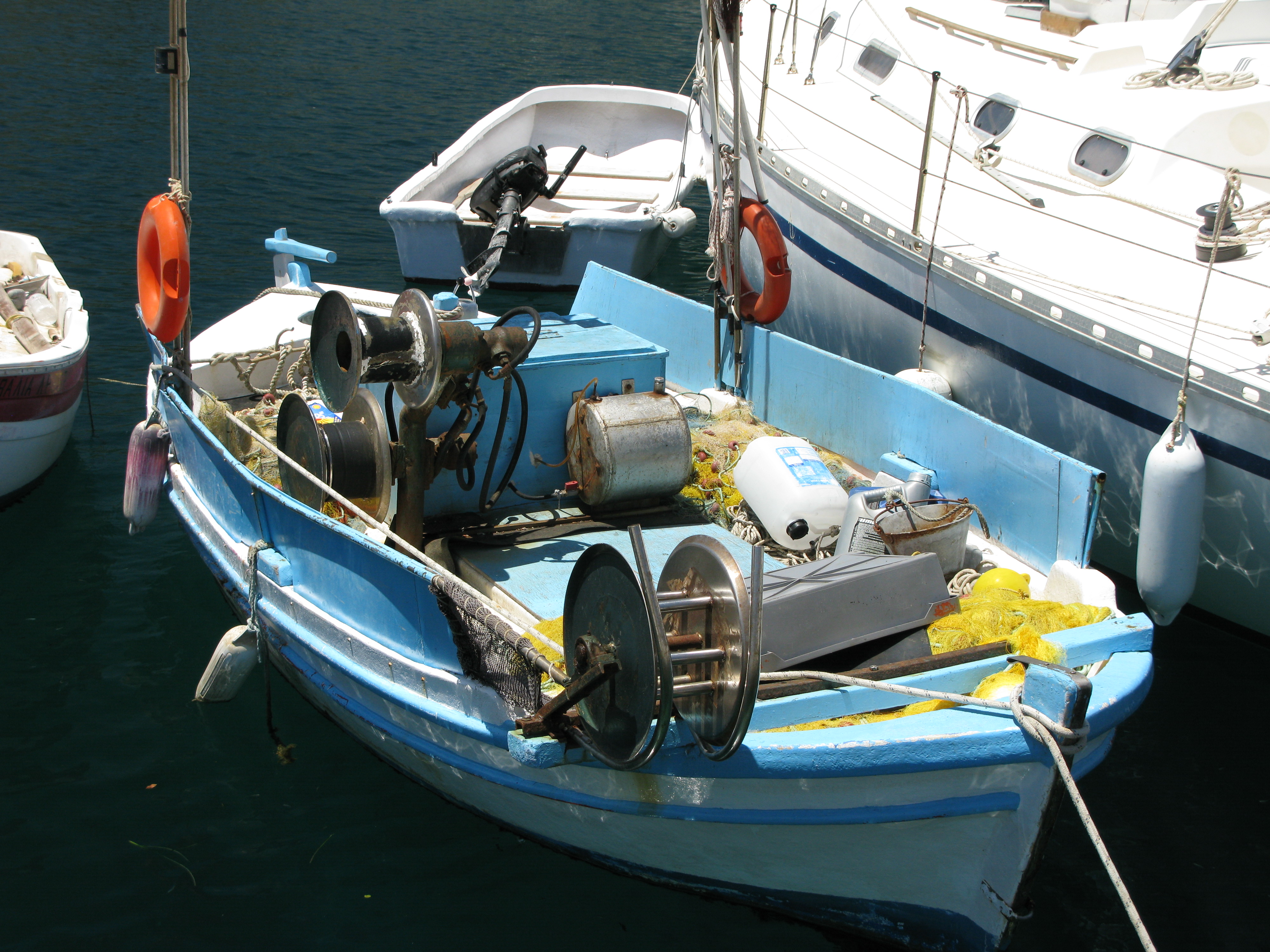
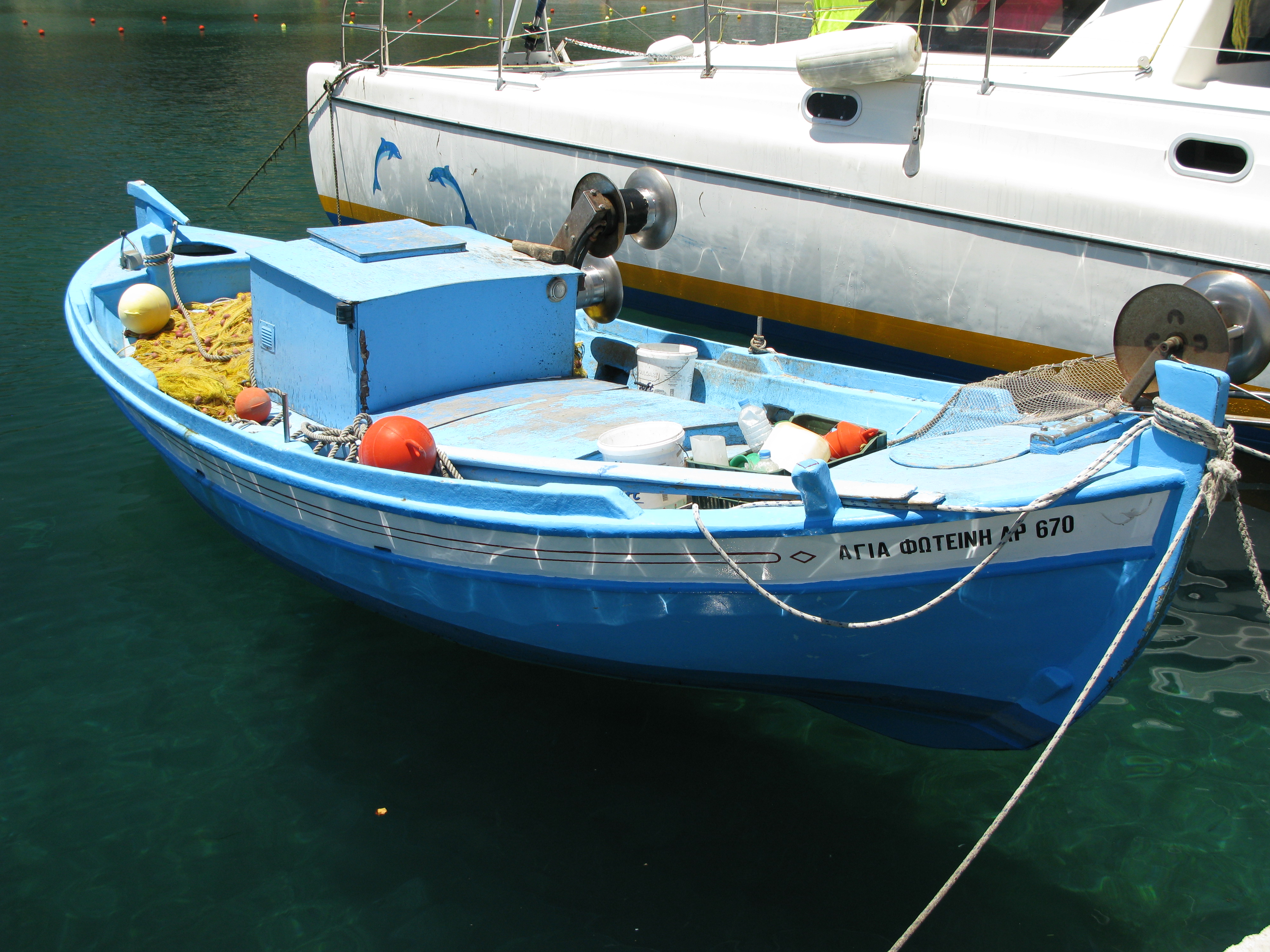
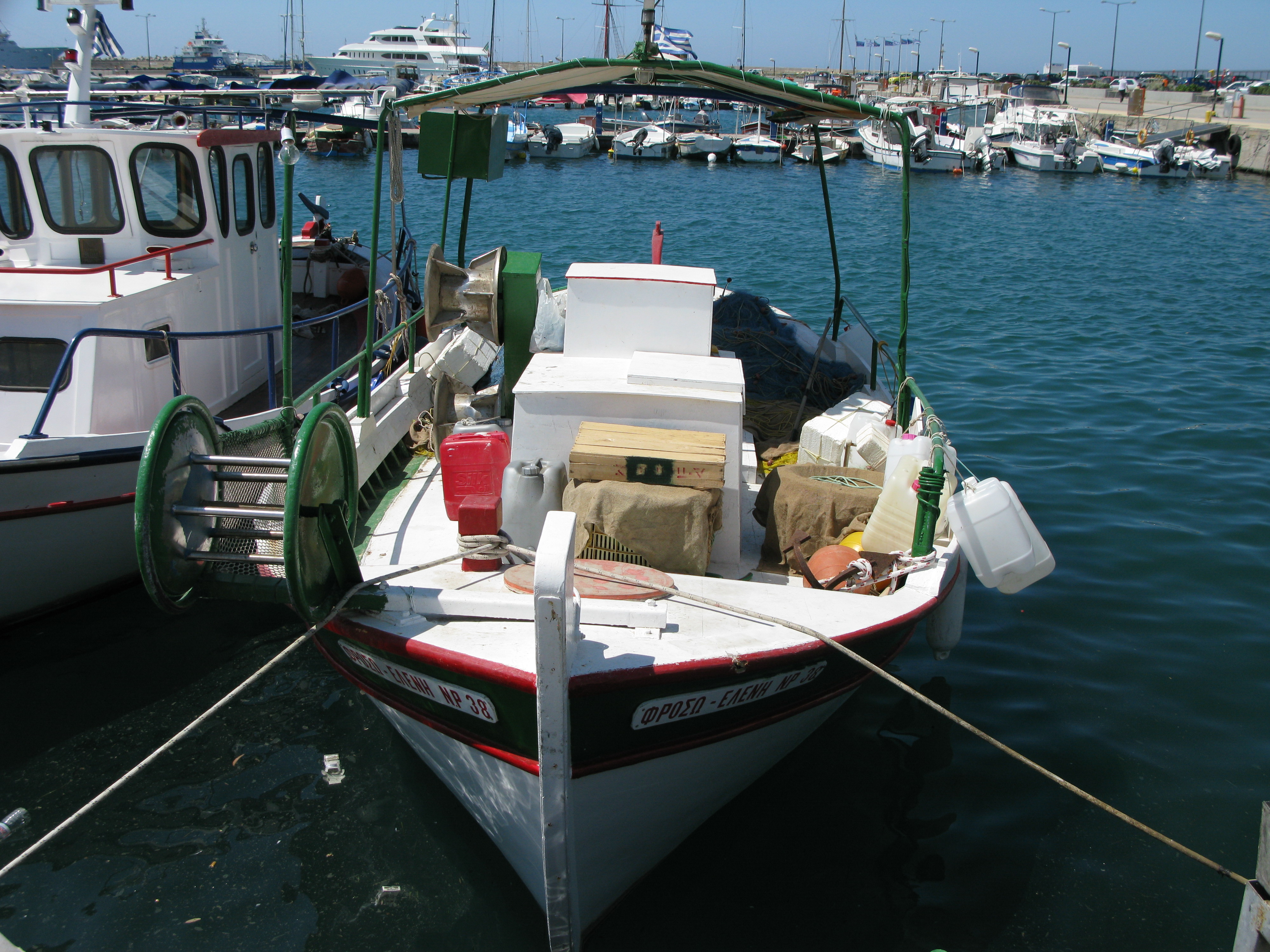
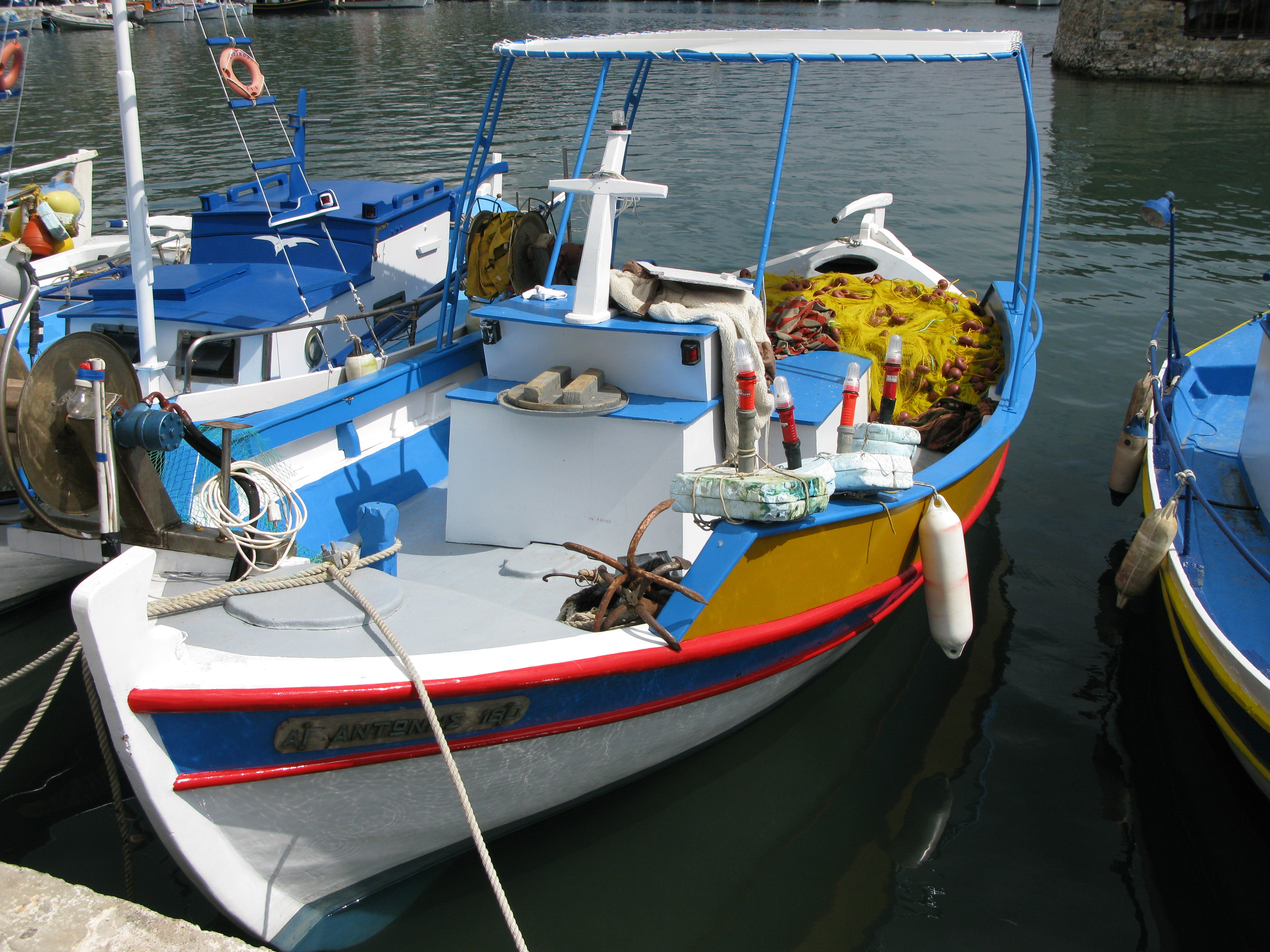
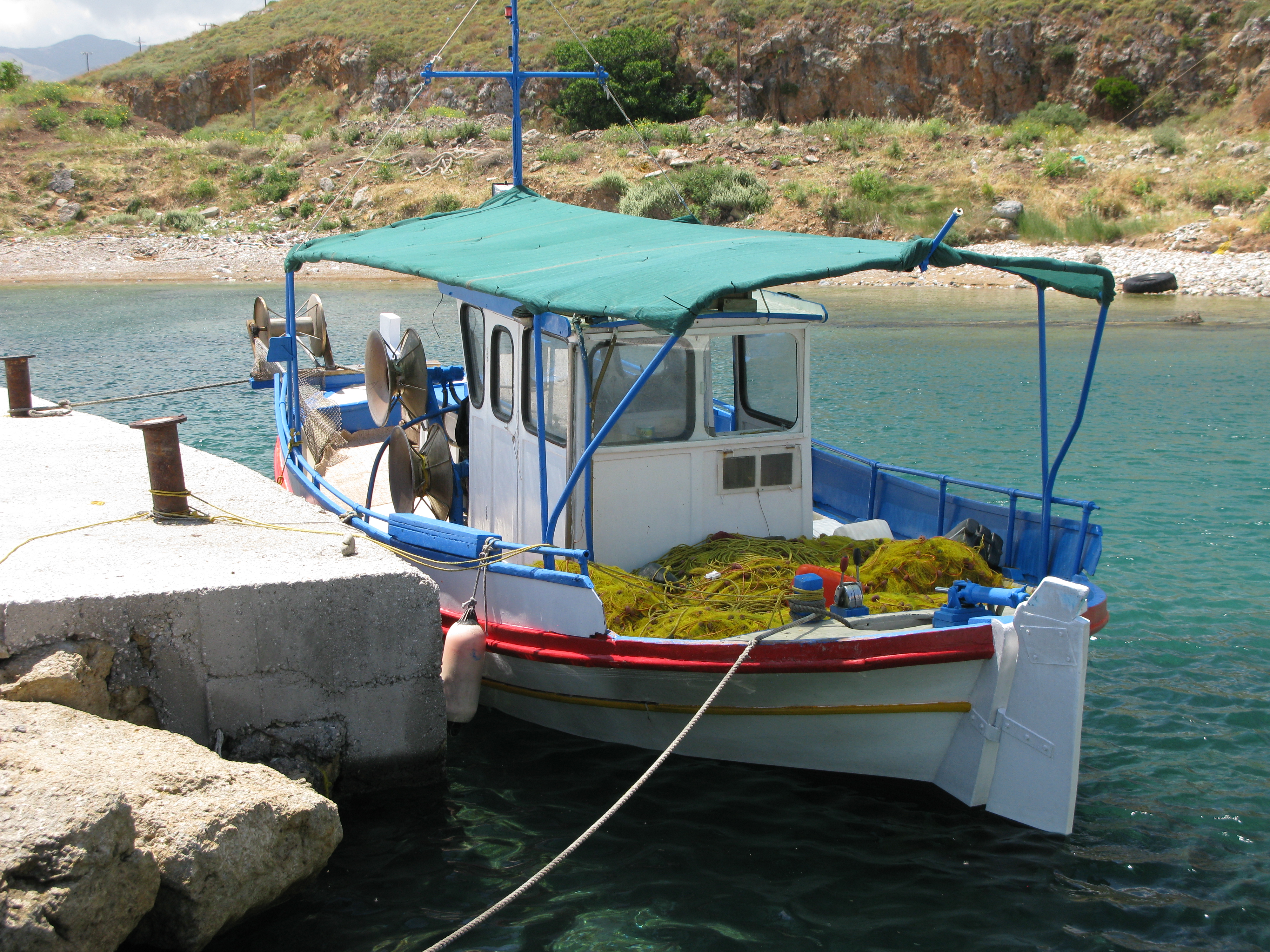
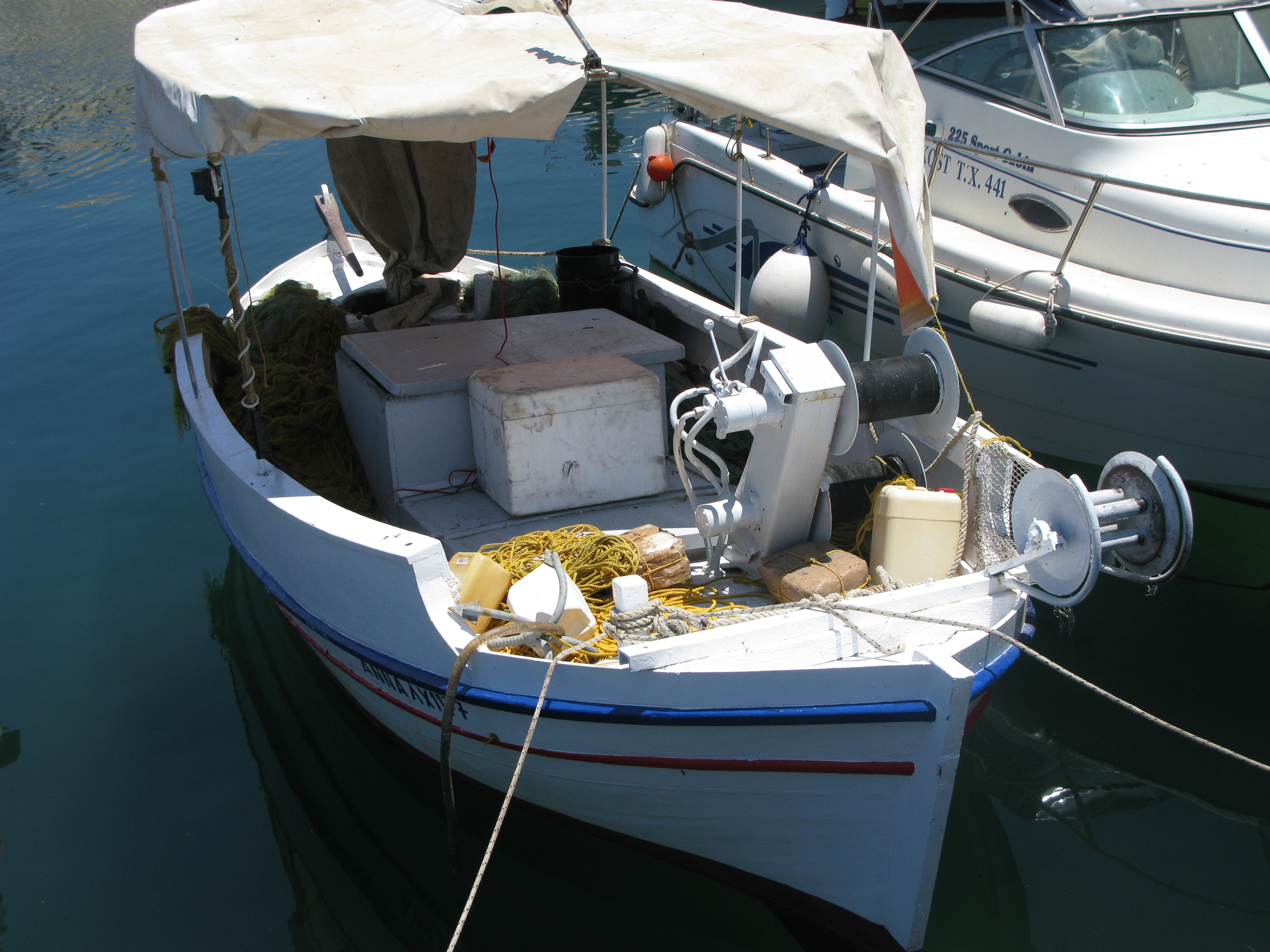
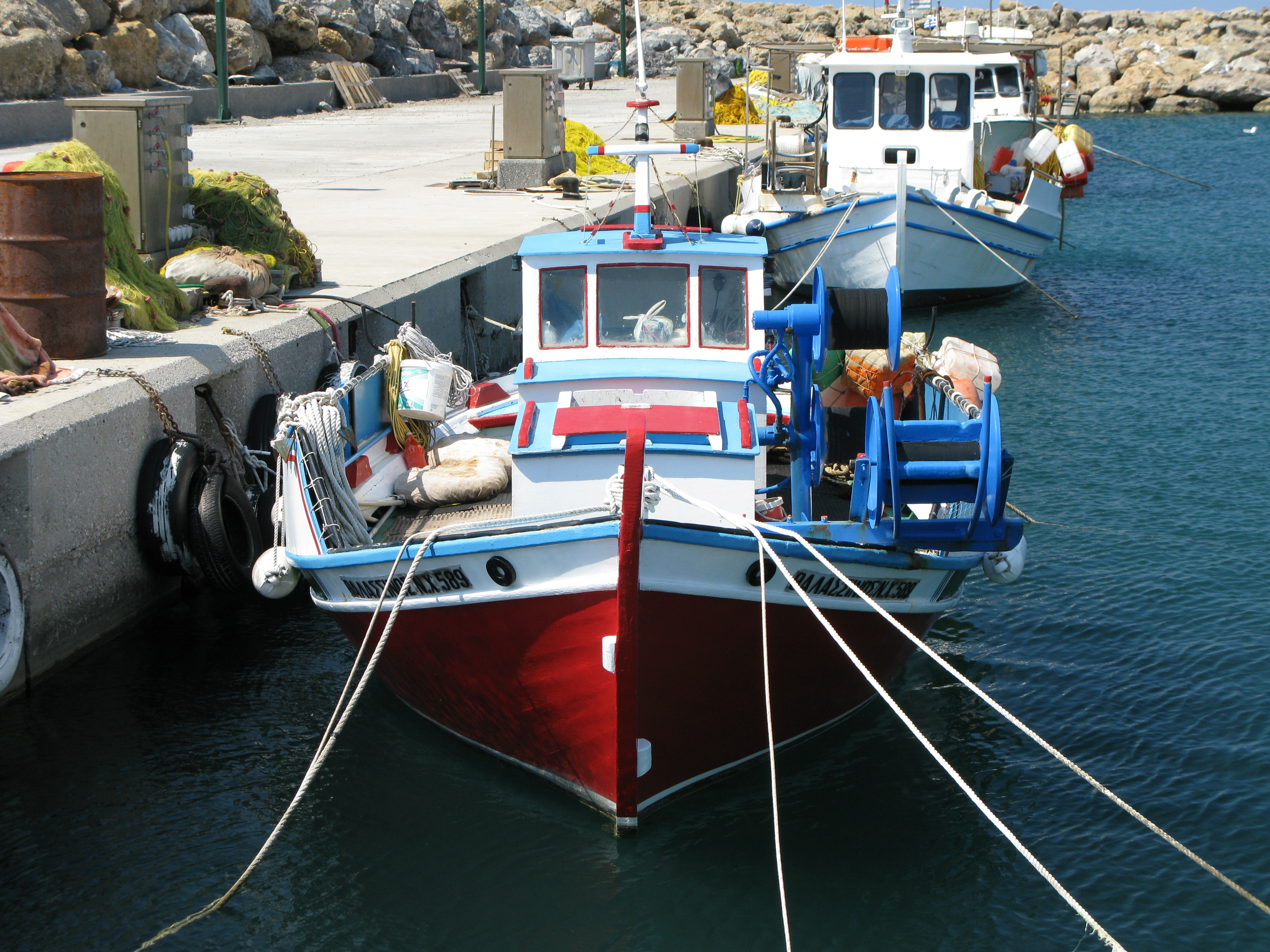
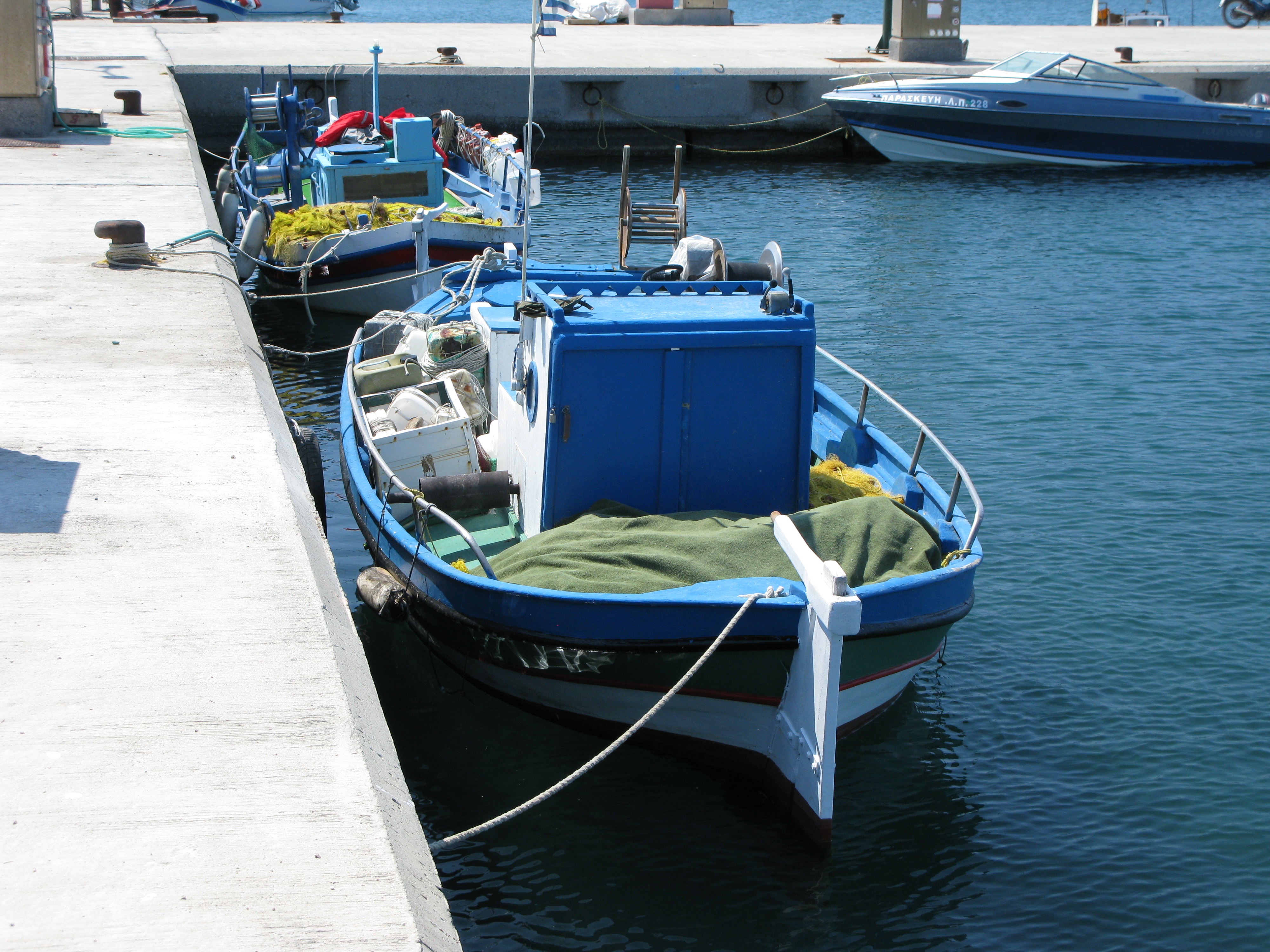
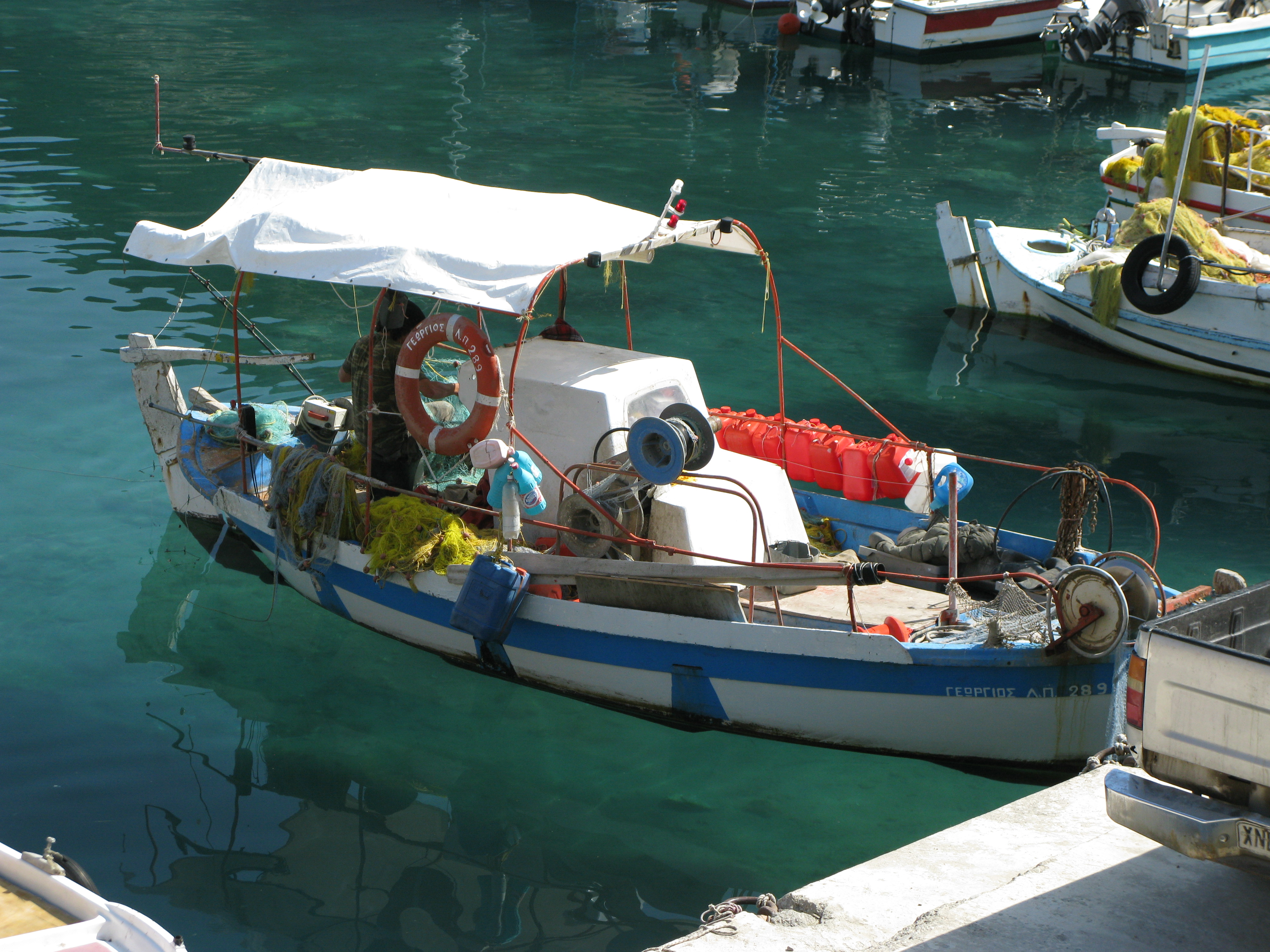
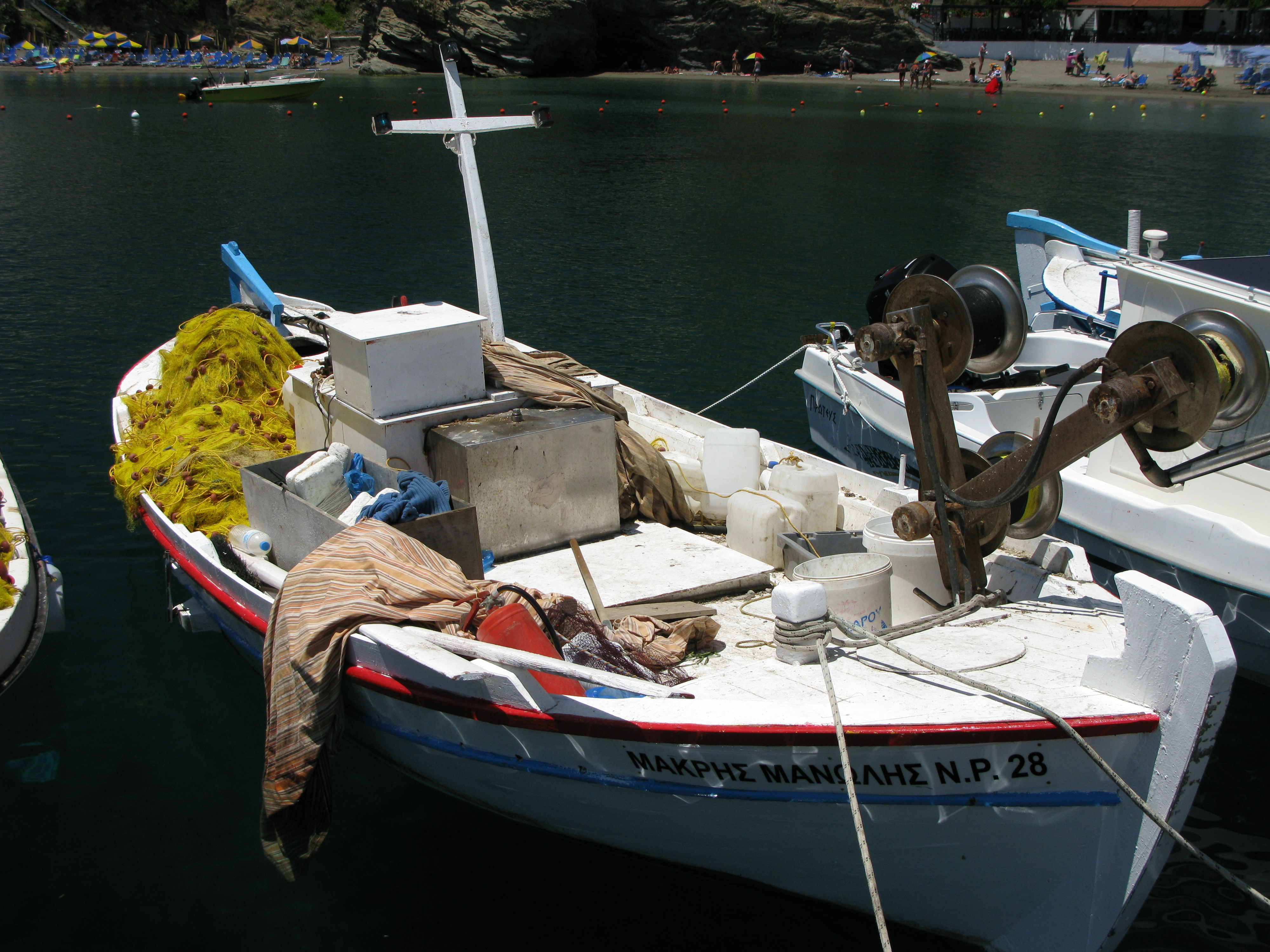
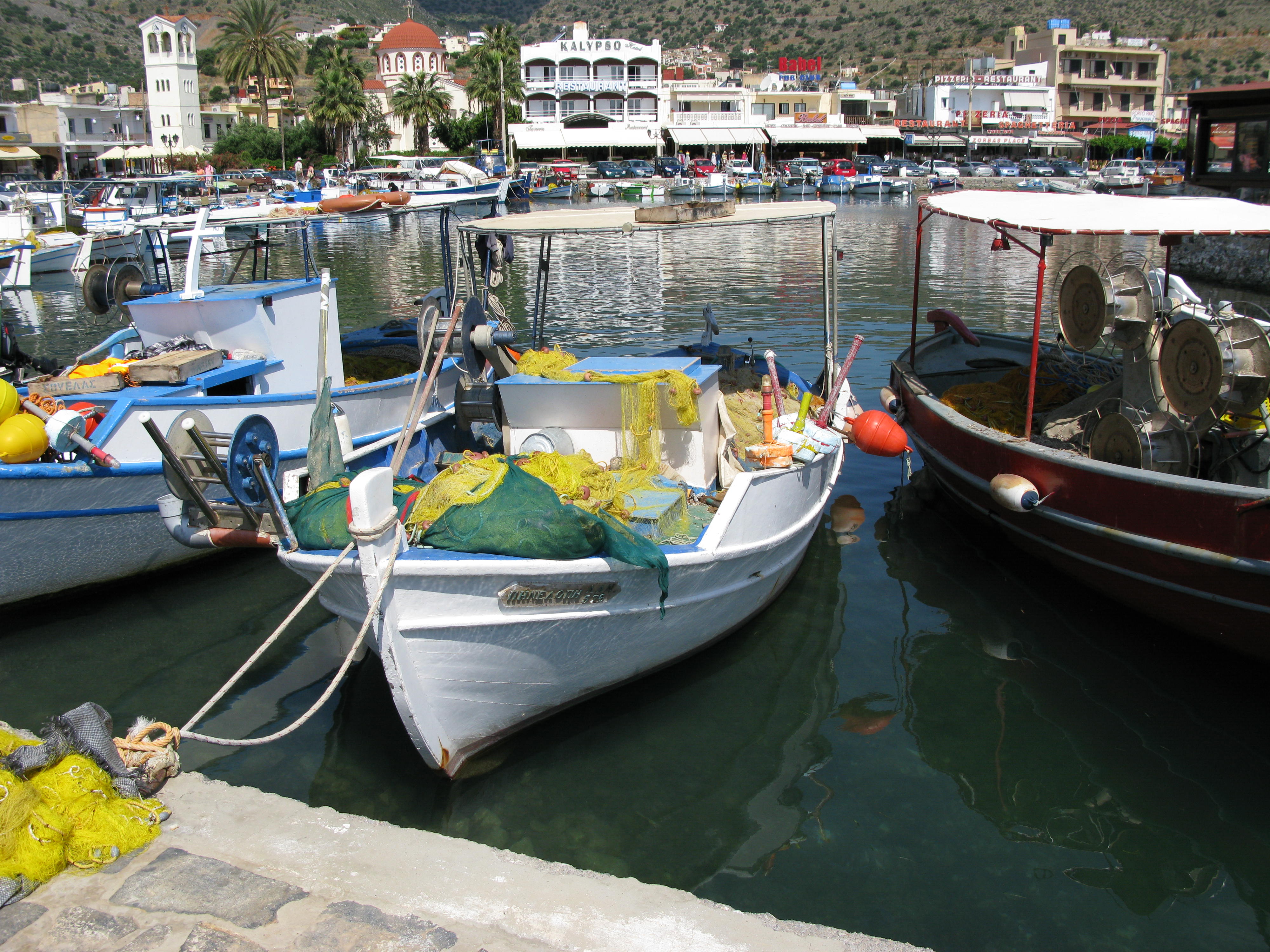
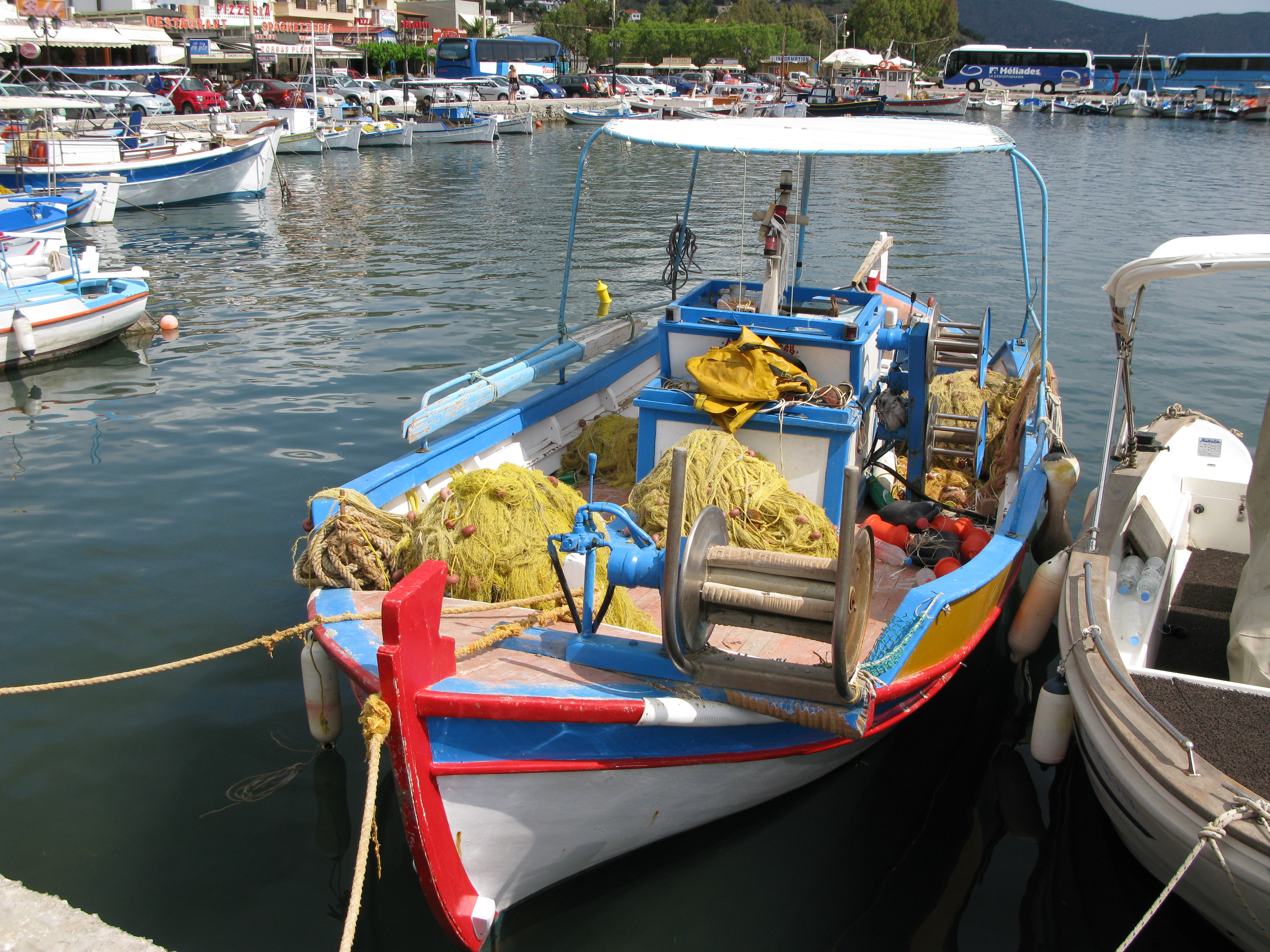
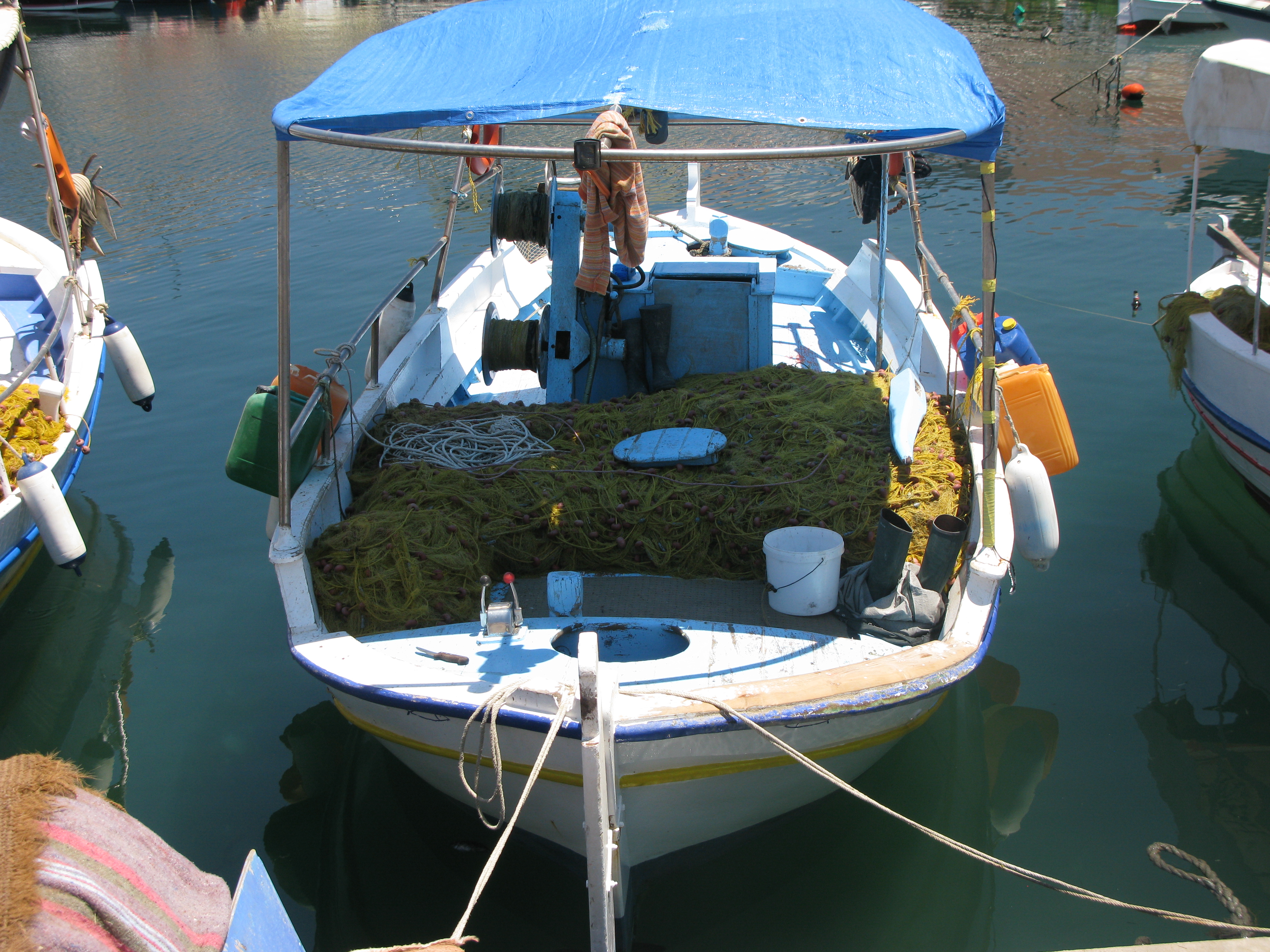
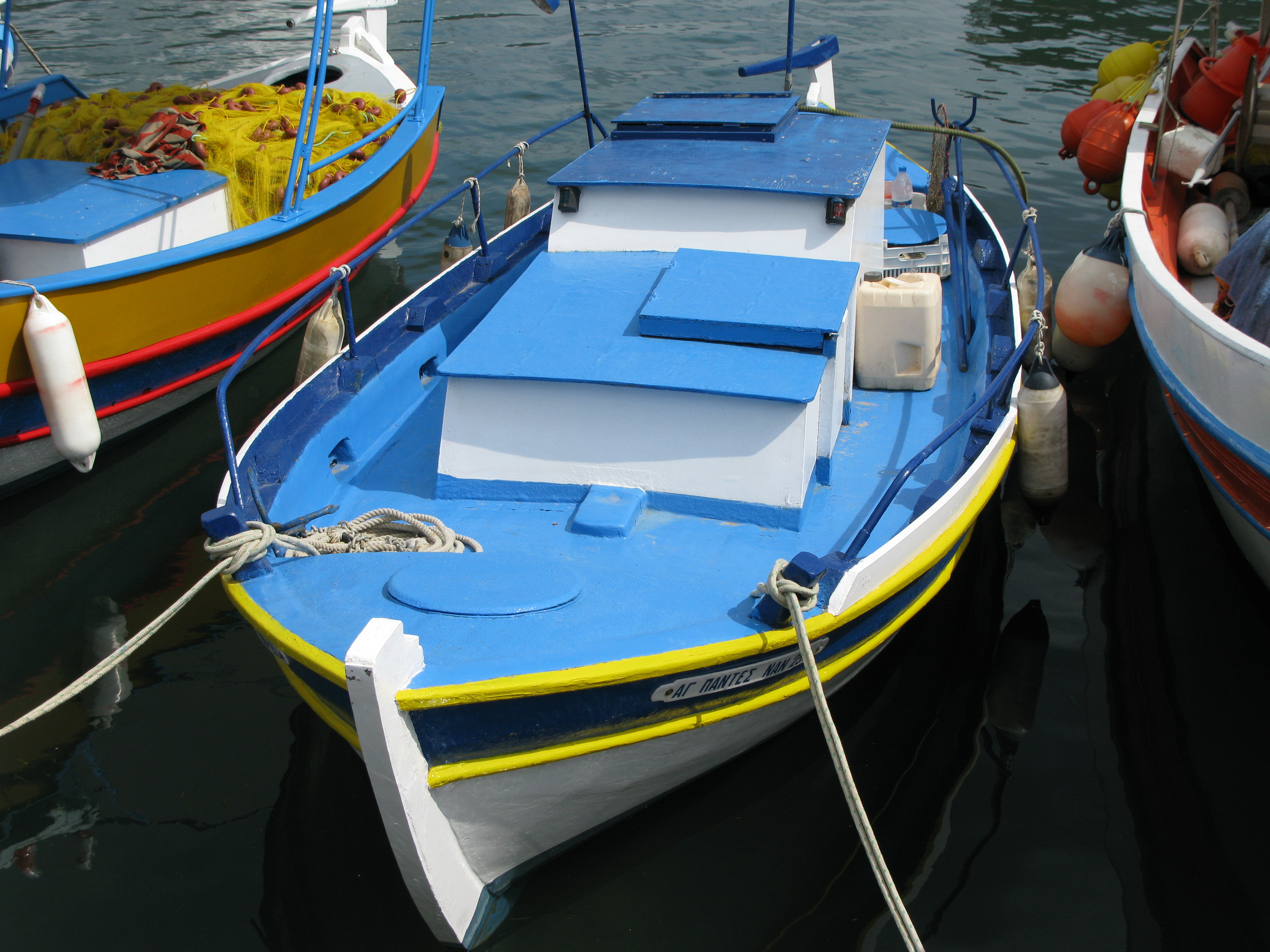
I will still talk about the boat, and I still have an eye for Greek fishing boats particularly those in Crete. They will feature, as will the past, especially the trading ketches of North Cornwall and the Bristol Channel. But there will also be occasional notes about what is going on around me as a I age in an increasingly complex world. Like it or not, all our horizons are changing. We need to recognise those changes.

5/7: A touch obsessed . . .

from John: Lovely boats Bill, they all seem to be double enders, is that cos they are the most common or are you touch obsessed?”

The answer is yes and no – yes, I am a touch obsessed, but not about canoe sterns. As you say, canoe sterns are common to these boats.

My ‘obsession’, such that it is, is for the individual boat builders, the fisherman and all those who work these boats.

I became fascinated by small boat design when I read Edgar March’s book ‘Inshore Craft of Britain in the days of sail and oar’, published in 1970.

“. . . before the days of marine engines, scores of picturesquely-named craft, worked out of tiny harbours and off open beaches around the coasts of Britain.” It was the differences in the boats that I found so interesting.

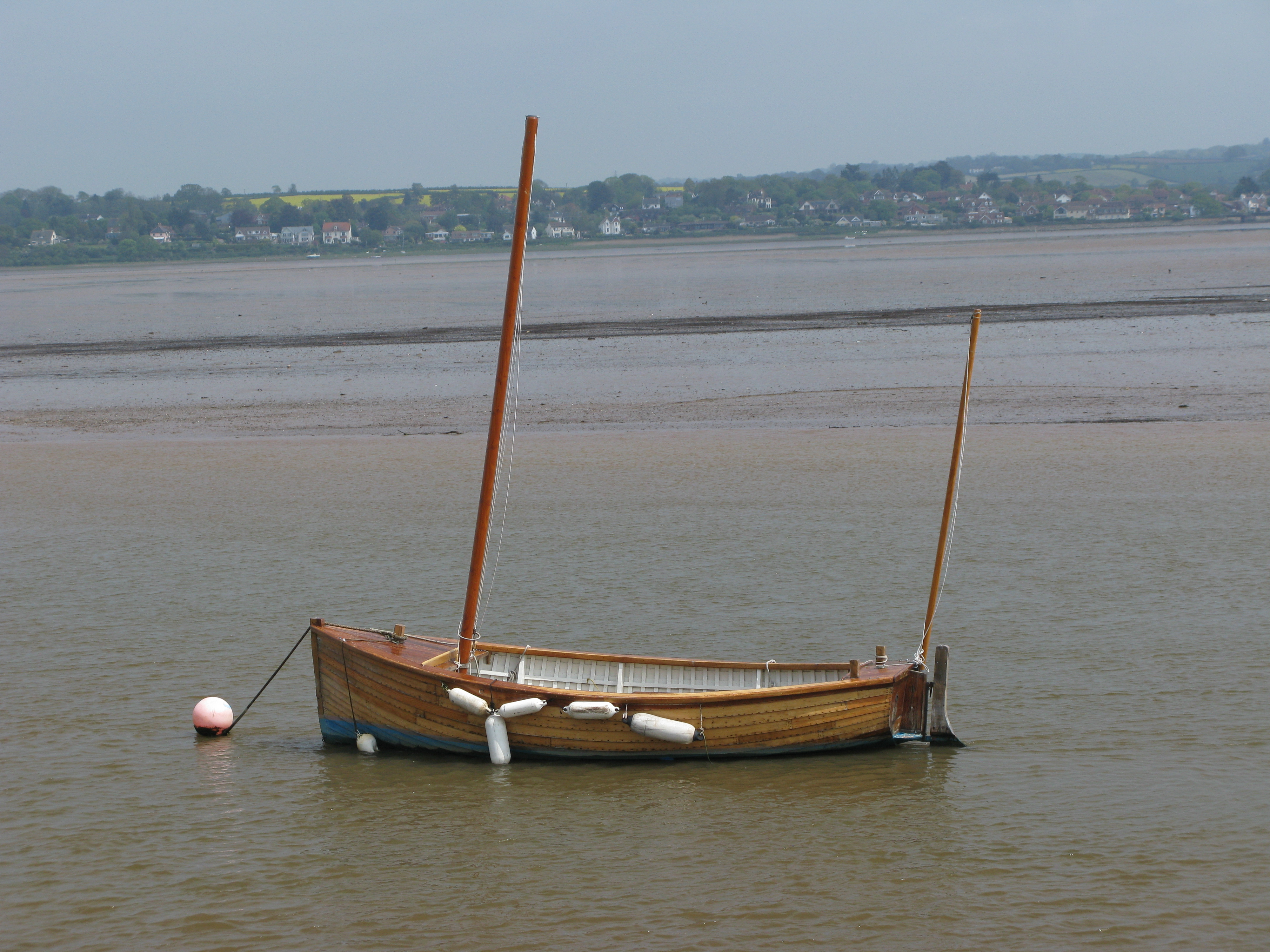
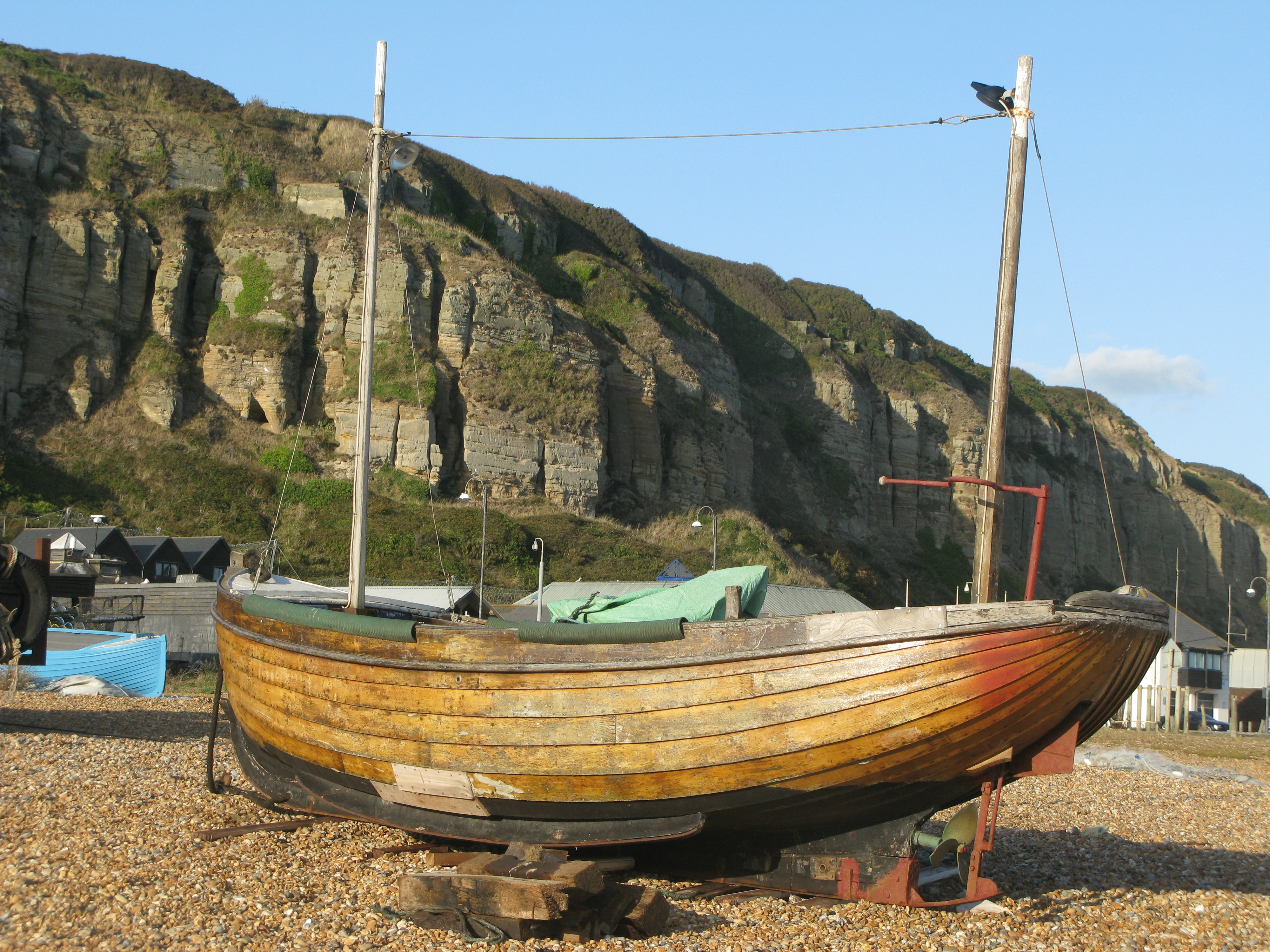
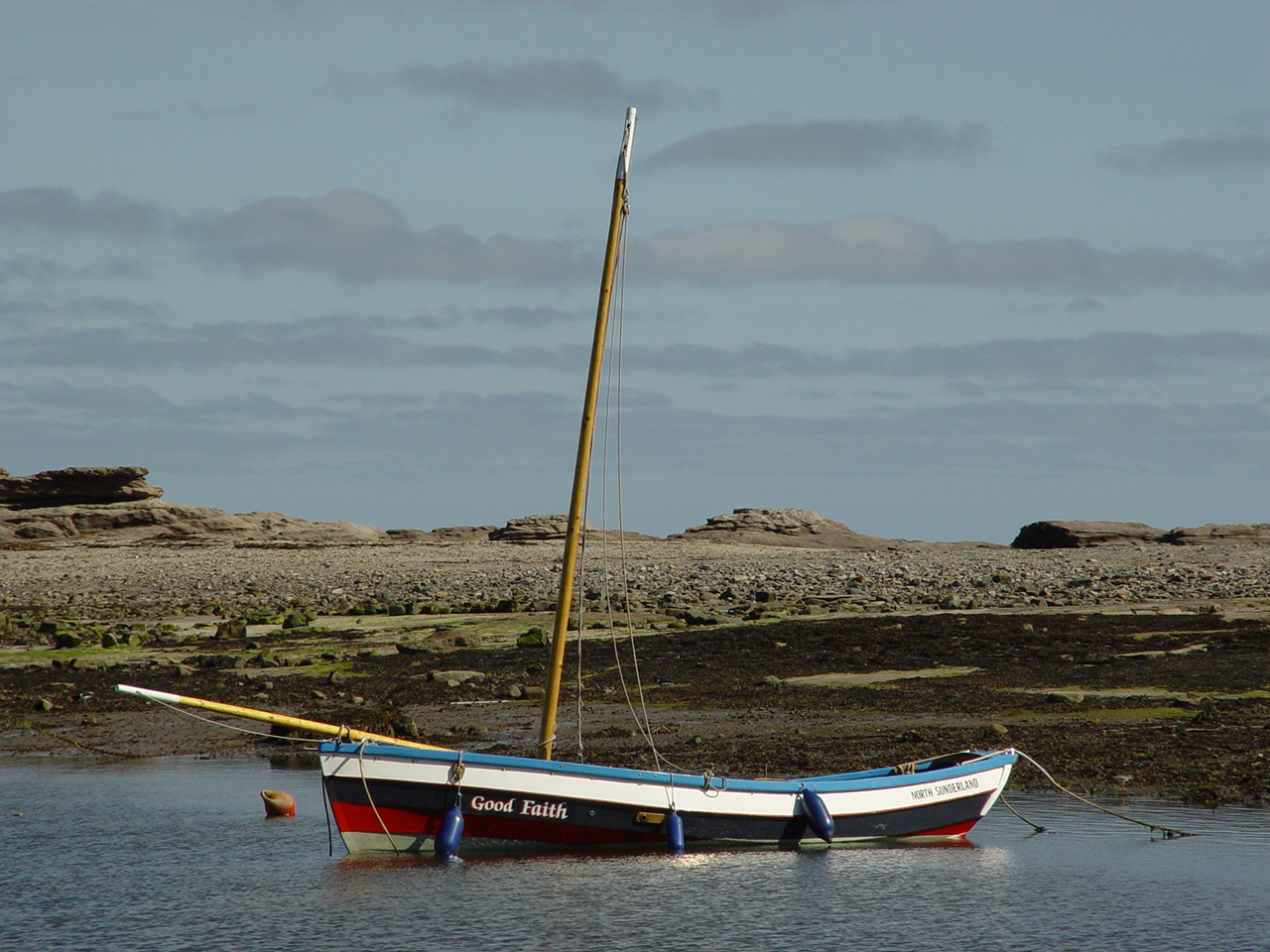
For example, these were all designed to be fishing boats. Why did this one evolve like this?

(Click image to enlarge)

. . . .when, only 150 miles east as the crow flies, this one evolved like this?

. . .  and some 300 miles north this one like this?

Obviously, the differences came about to suit the the needs of the people who worked them. Therefore the design of working boats tells us  a great deal about the coasts they are found in and the  knowledge, skills and attitudes of the people who live there.

But local boat design is disappearing. Fishing is being discouraged, fewer people work in the industry, boat production has moved to the factories. There is no a need for the local boat-builders who were found all along the coasts in the days Edgar March was describing. There are fewer and fewer true examples of local working boats in the UK.
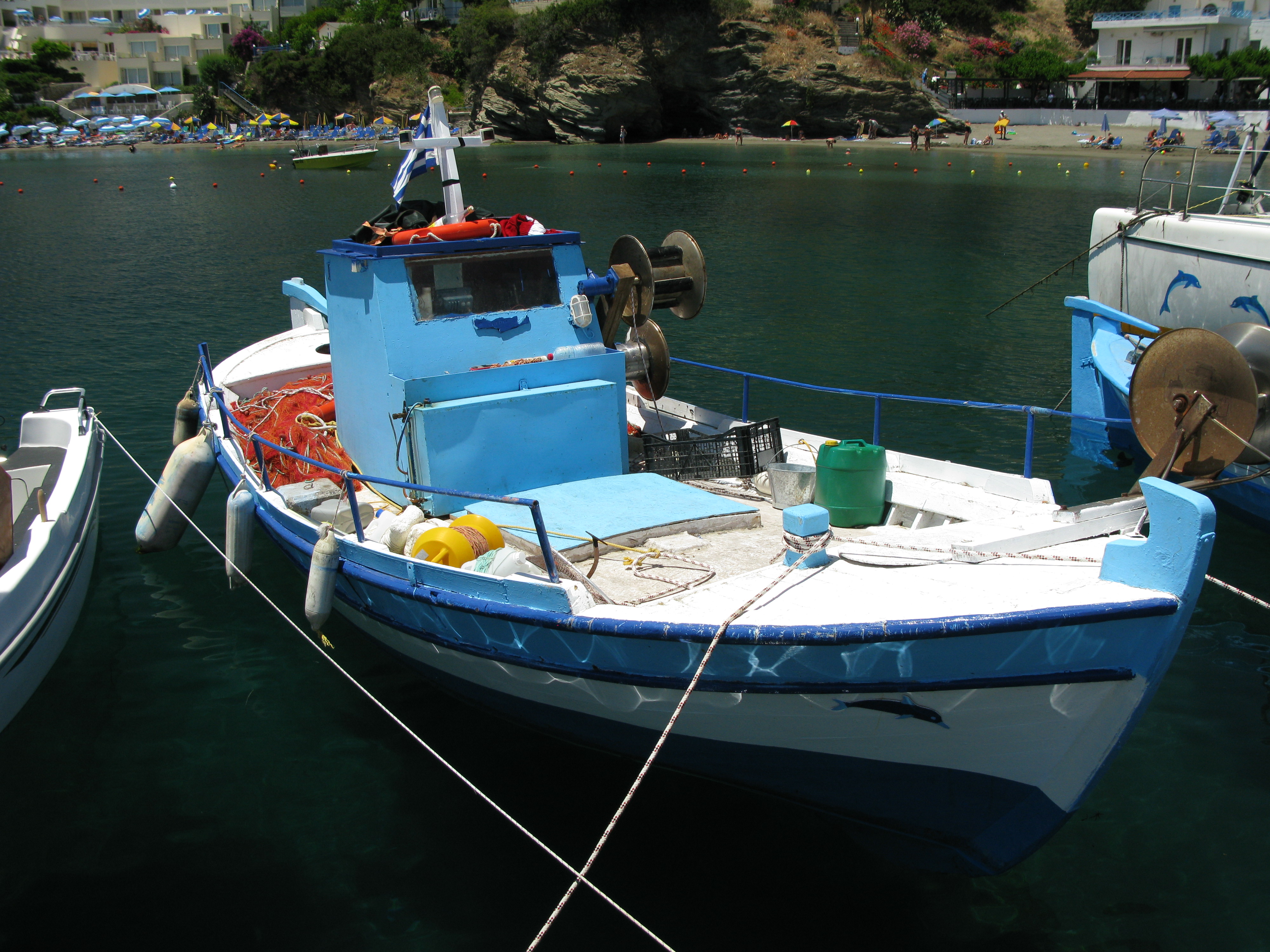
Similarly in Crete and mainland Greece. The local fishing boats are disappearing.  Apparently, the average working life of these wooden fishing boats is 26 years. They come, they go – they are no longer replaced. Tourism is taking over (and, yes, I am obviously part of that).
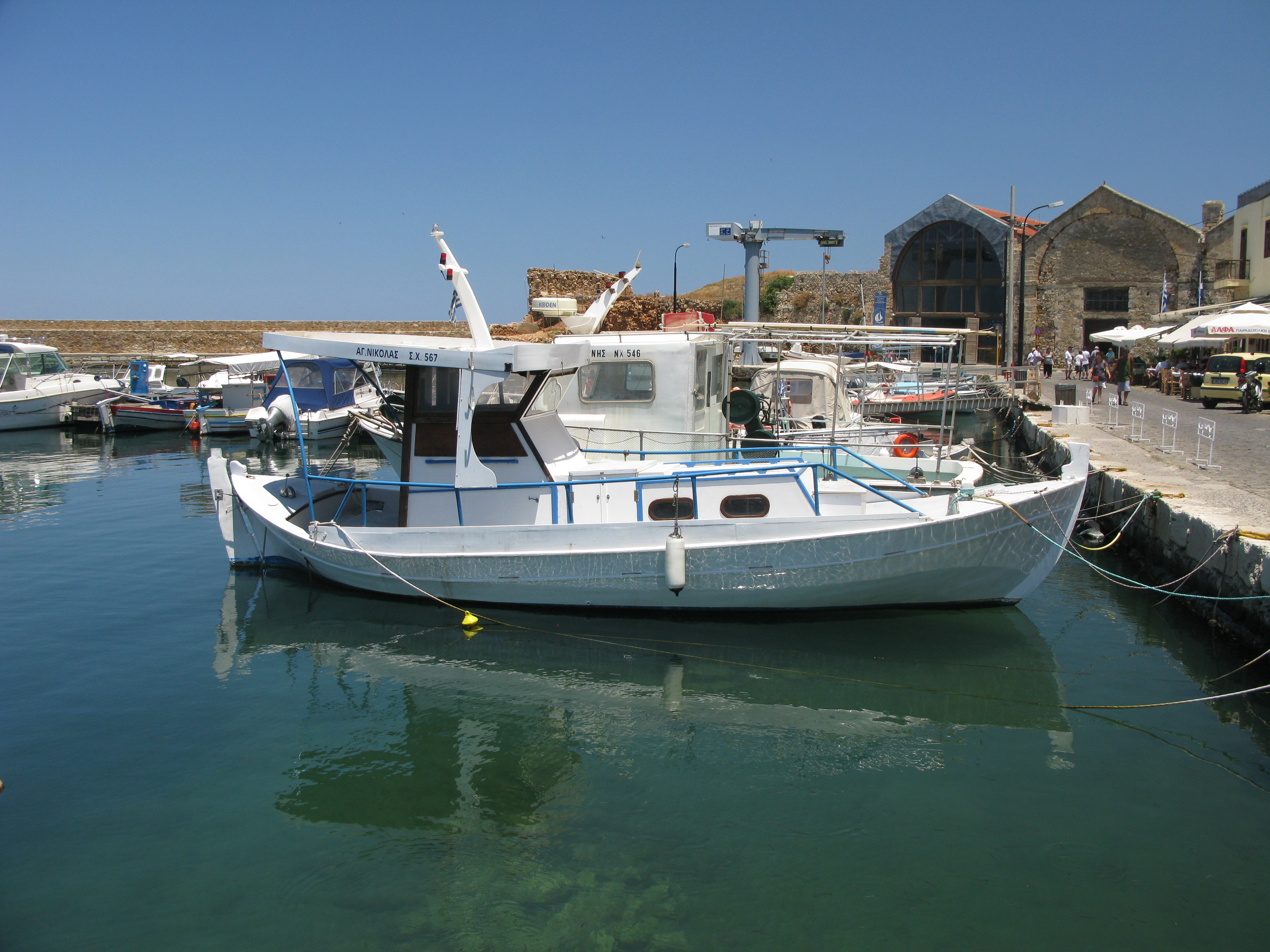
The real tragedy is the loss of the local knowledge behind the boats. If the boats are no longer needed in this form, certainly the knowledge, skills and attitudes behind them are. The local population, not the tourist, lies at the heart of  a coastal community. However important tourism may be  for a local economy, it’s influence is negative if it takes away the character of the area it occupies.

~~~

John, that’s a long way for canoe sterns. I will come back to them, I promise.

There are at least two more in the short series of fishing boats in Crete.

For Love of a Boat.

3/7: Eight fishing boats – no longer fishing

These are beautiful boats. If I  lived in the Mediterranean I would be proud to own one. But, as I mentioned before, there is something missing.
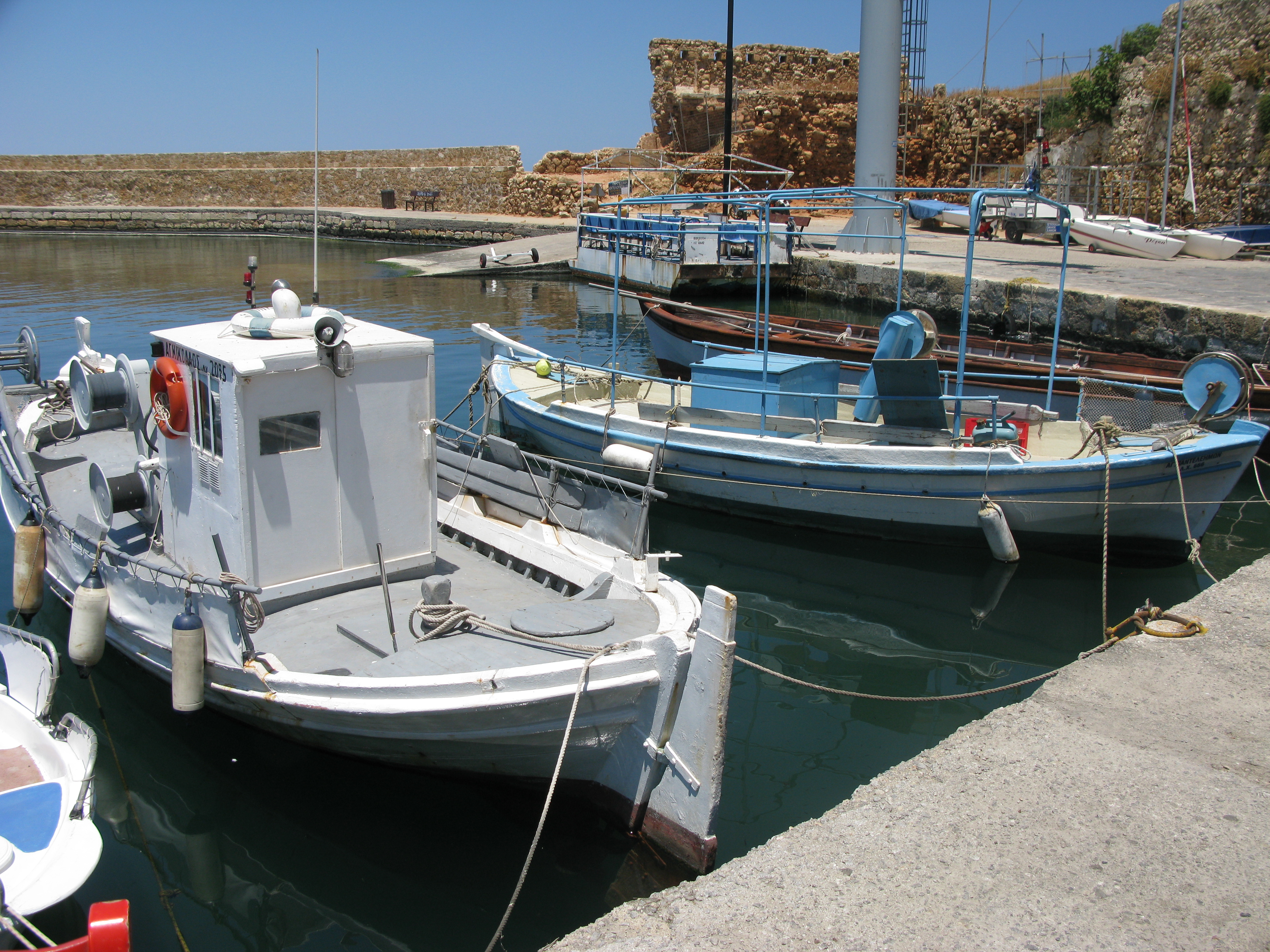
They were surely built for fishing. Where’s all the fishing gear?

(Click image to enlarge)

It isn’t that they don’t give pleasure to their owners – or to those of us looking on. What is missing is the original purpose – the drive that created them in the first place.

Perhaps they have been saved the fate mentioned in my last post, but I can’t help thinking that Captain George would have thought the same thing.

In the For Love of a Boat series.